


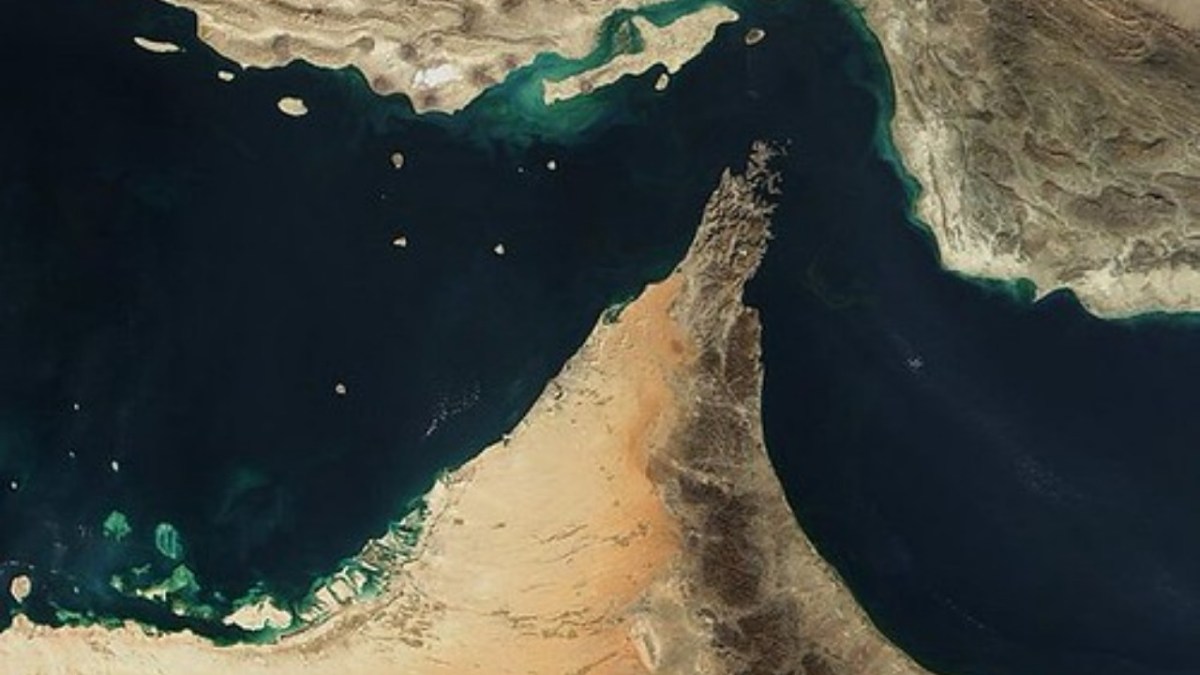

Reports of U.S. strikes on Iranian positions on Qeshm Island have put the Strait of Hormuz under renewed scrutiny. The narrow passage is a major route for international oil shipments, and the reports come as Washington and Tehran face growing tensions over attacks on vessels and military activity in the Persian Gulf.
The Wall Street Journal first reported the strikes, citing U.S. officials who said American forces had hit military positions on the island. They described the operation as defensive. The U.S. Central Command (CENTCOM) has not released a detailed public account of the attack.
Explosions were reported on Qeshm early Tuesday morning. Iran’s state-run IRNA news agency also reported blasts, although details about the locations hit and the damage remain unclear.
The IRGC recently claimed it had shot down and seized several U.S. unmanned aerial vehicles
Qeshm sits close to the Strait of Hormuz, which connects the Persian Gulf to the Gulf of Oman. Tankers carrying a substantial share of the world’s oil pass through the waterway. Iran’s Islamic Revolutionary Guard Corps (IRGC) also maintains a significant presence in the area, with coastal missile systems, surveillance equipment and other maritime assets that could threaten commercial vessels.
U.S. officials reportedly said the strikes were intended to reduce that danger. They described the operation as an effort to limit Iran’s ability to attack shipping, rather than the beginning of a wider military campaign.
The reports follow several confrontations between Iranian and American forces. The IRGC recently claimed it had shot down and seized several U.S. unmanned aerial vehicles operating near the strait. Commercial shipping has also suffered during the escalation. Maritime surveillance reports cited in accounts of the confrontation indicate that as many as 11 tankers were damaged, caught fire, or sunk over nine days.
The incidents have left shipping companies weighing whether to keep using the route or take longer alternatives. Both choices come with costs, particularly if the confrontation continues.
Oil traders are also watching closely. A serious disruption to traffic through the Strait of Hormuz could affect supplies and unsettle energy markets well beyond the Persian Gulf. Ship operators may also face higher insurance premiums as insurers reassess the risks of vessels entering waters exposed to military attacks.
Tehran has warned that it could retaliate
Tehran has warned that it could retaliate if Washington expands its operations. Iranian representatives have also pointed to the country’s ballistic missile capabilities and their potential reach into parts of Europe. Reports of missile launchers moving closer to sensitive borders have added to concerns, although the scale of those deployments has not been independently established.
The full details of the reported Qeshm strikes remain unclear. The targets and extent of the damage have not been confirmed publicly. Any further exchange between Washington and Tehran, however, could make passage through one of the world’s most important energy routes even more dangerous.







Published: Nov 3, 2026 01:45 pm