


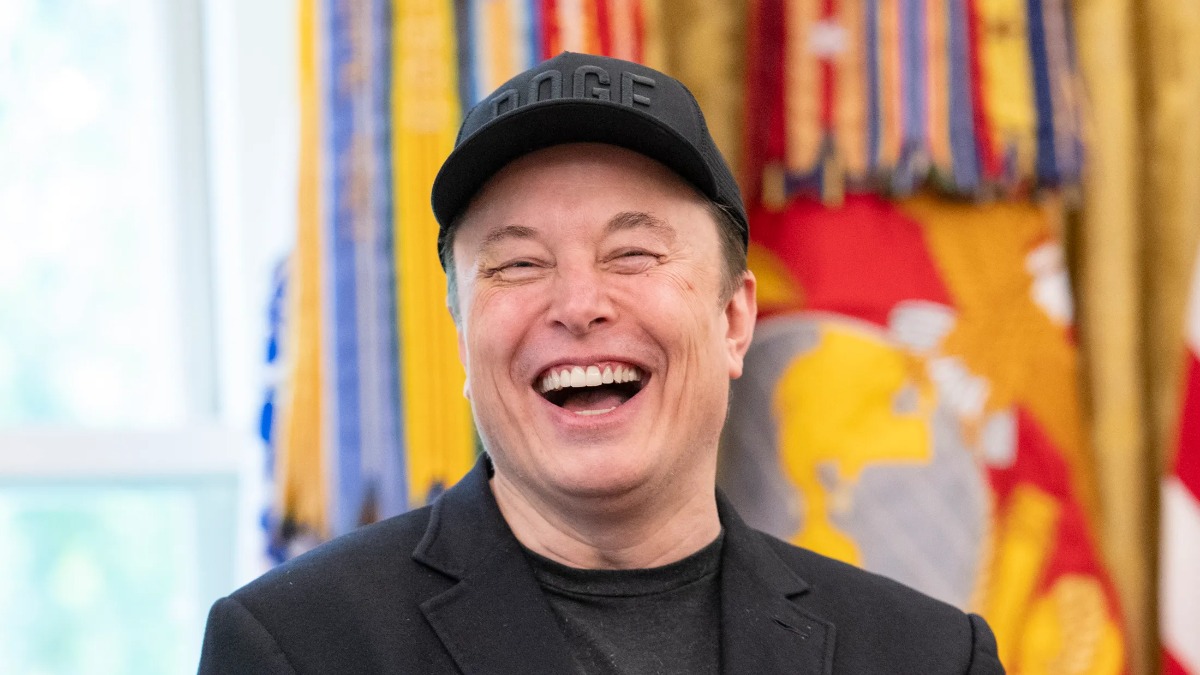

Elon Musk has traveled to China with President Donald Trump, even though a federal judge placed him on “recall status” during his ongoing trial against OpenAI. This means Musk was required to stay available to testify again if called upon. However, Musk left the country without getting permission from the judge first, a move that has raised serious questions about his obligations as a witness.
OpenAI’s lawyers had specifically asked for Musk to be put on recall status during his testimony. According to NBC News, the judge agreed and instructed Musk to remain available in case he was needed on the stand again. It is unclear whether Musk informed anyone involved in the trial about his travel plans before flying to China with Trump.
Jeffrey Bellin, a law professor at Vanderbilt University who specializes in evidence rules, said Musk’s actions were “unusual.” “A typical witness would not leave the country if they were subject to recall,” Bellin said. “If I were the attorney, I would have made sure that if my witness is subject to recall and he’s left the country, that the judge is OK with that.”
Musk and Altman clashed sharply over OpenAI’s direction and leadership failures
The trial centers on Musk’s lawsuit against OpenAI and its CEO Sam Altman. Musk has accused Altman of betraying the company’s original mission of developing AI for the benefit of humanity rather than for profit. Altman has pushed back strongly, arguing that Musk always knew about the plans to turn OpenAI into a for-profit company, and that Musk had even asked for a majority stake in it himself.
Trump, whose latest political moves have drawn significant attention, brought Musk along as part of his delegation to China. Altman also questioned Musk’s understanding of how to lead an AI research organization. “I don’t think Mr. Musk understood how to run a good research lab,” Altman said during his testimony. “He had demotivated some of our most key researchers.”
These were strong words, and they painted a picture of a working relationship that had broken down well before Musk filed his lawsuit. Altman further argued that Musk voluntarily left OpenAI’s board in 2018 to pursue his own AI projects, according to Al Jazeera.
The two men have had a long and bitter relationship, driven largely by very different views on how artificial intelligence should be developed and who should control it. Their public dispute has now spilled into a courtroom, with both sides making serious accusations against each other.
The judge had scheduled closing statements for Thursday, and it remained unclear at the time whether Musk would be called back to the witness stand before then. His sudden departure to China added another layer of uncertainty to an already complicated trial. Legal experts noted that while recall status does not technically prevent someone from traveling, leaving the country without notifying the court is far from standard practice.
Meanwhile, Trump has also been facing scrutiny on other fronts, including a lawsuit over costly White House renovations that critics say wasted taxpayer money. The China trip, which Musk joined, has added to the broader conversation about the growing overlap between the tech world and political power in Washington.
The case has also brought wider concerns about AI into the spotlight. A Pew Research Center poll found that most people in the US believe AI will make things worse, not better, when it comes to thinking creatively, forming relationships, making hard decisions, and solving problems. Only 10 percent of those surveyed said they felt more excited than worried about the growing use of AI in everyday life.






Published: May 14, 2026 03:23 pm