




President Volodymyr Zelensky is calling for the removal of speed restrictions on the Starshield satellite system, arguing these limits hinder the ability to intercept Russian drone attacks, the BBC reports.
The issue with this military-grade service, which is built by Elon Musk’s Starlink and supplied by the US government, has continued for several weeks. Zelensky noted that his team is working with the US government and the company to address the problem. He stated, “It is important to be on the right side of history.”
The technical problems were first noted in October. These restrictions appear to impact the interception of jet-powered drones that target electricity substations. Zelensky explained that interceptor drones lose connection with their operators once they hit speeds of 161km/h. He mentioned that these drones “simply cannot catch up with Russian jet-powered ‘shaheds'”.
The situation has caused conflicting accounts between Elon Musk and President Donald Trump
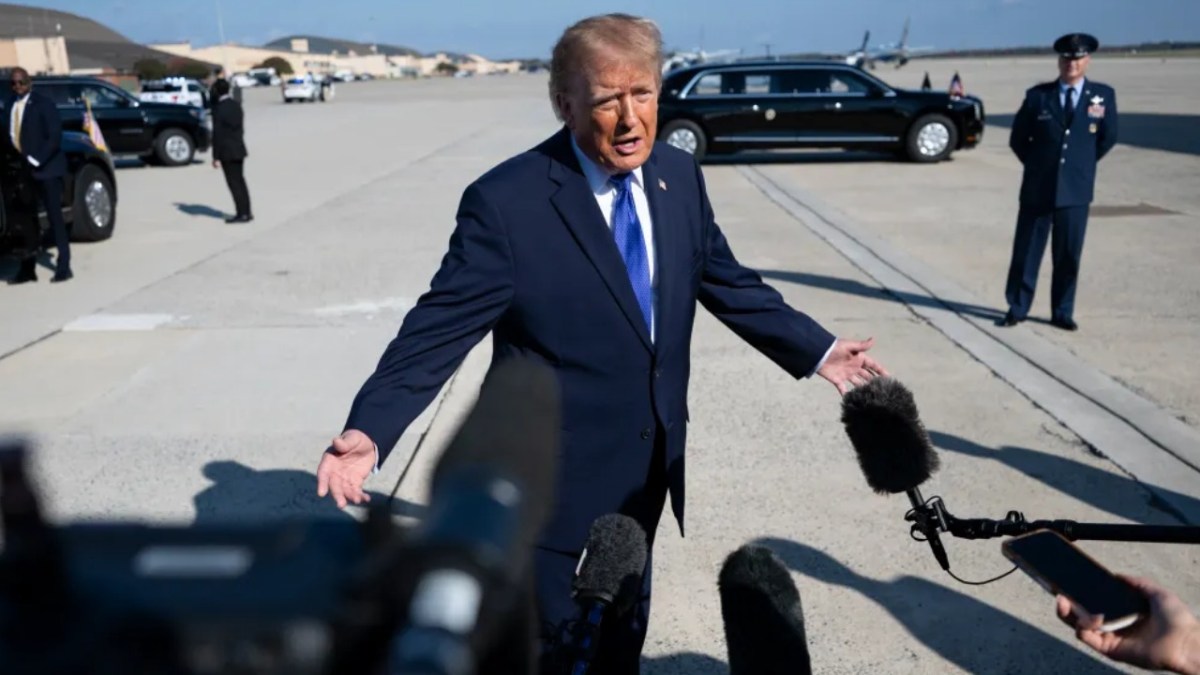
Musk stated that the US government controls Starshield, while President Donald Trump denied responsibility and claimed he told the billionaire to “put it back”. Zelensky highlighted that these speed limits have been enforced in Russian-occupied areas since November 11. He suggested that applying these restrictions in such a way may be viewed as a partial recognition of those territories as not belonging to Ukraine.
Zelensky said, “It already has political implications. If you impose restrictions there, you are already partially recognising the temporary occupied territories as not ours.” The president emphasized the importance of these services for the upcoming winter season, saying, “We are counting on these restrictions being lifted. The protection of lives and Ukraine’s energy infrastructure ahead of winter directly depends on this.”
The technical issues occur during a period of diplomatic tension regarding Ukrainian strikes on Russian oil infrastructure. President Donald Trump has expressed concern that these strikes on refineries push global energy prices higher.
Ukraine maintains that these targets are vital for reducing the revenue Russia uses for its war effort. Meanwhile, Ukraine continues to face a shortage of US-made Patriot interceptors, a gap that Russia has exploited to increase strikes on energy and railway infrastructure.
Recent attacks have hit energy facilities in regions including Zaporizhzhia, Sumy, Odesa, Zhytomyr, and Kirovohrad. Railway infrastructure in Dnipro, Kharkiv, and Zaporizhzhia also sustained damage. Local officials reported casualties across several areas. Governor Vyacheslav Chaus confirmed that two people were killed during an attack on an infrastructure facility in the Mena area of the Chernihiv Region. Multiple strikes also hit energy facilities throughout that region.
Ukraine has launched its own strikes against Russian industrial targets. On November 15, the military stated that units reached Nizhnekamsk in Tatarstan. They reported that two enterprises feeding the Russian war effort were attacked. Regional governor Yuri Slyusar noted that a strike in the industrial port city of Taganrog resulted in one death. Additionally, Leonid Pasechnik, a leader installed by Moscow, stated that a lorry driver and an elderly woman were killed in the occupied Luhansk region.
In other regional developments, Estonia plans to close border crossings with Russia starting December 1. This decision follows a suspected arson attack on Threod Systems, a company that makes drones. Eight people were detained in connection with the event. Estonian authorities allege that the Russian GRU military intelligence service ordered the attack. Foreign Minister Margus Tsahkna stated, “Russia must understand that hostile actions against Estonia come with consequences.”





Published: Nov 16, 2026 07:00 am