


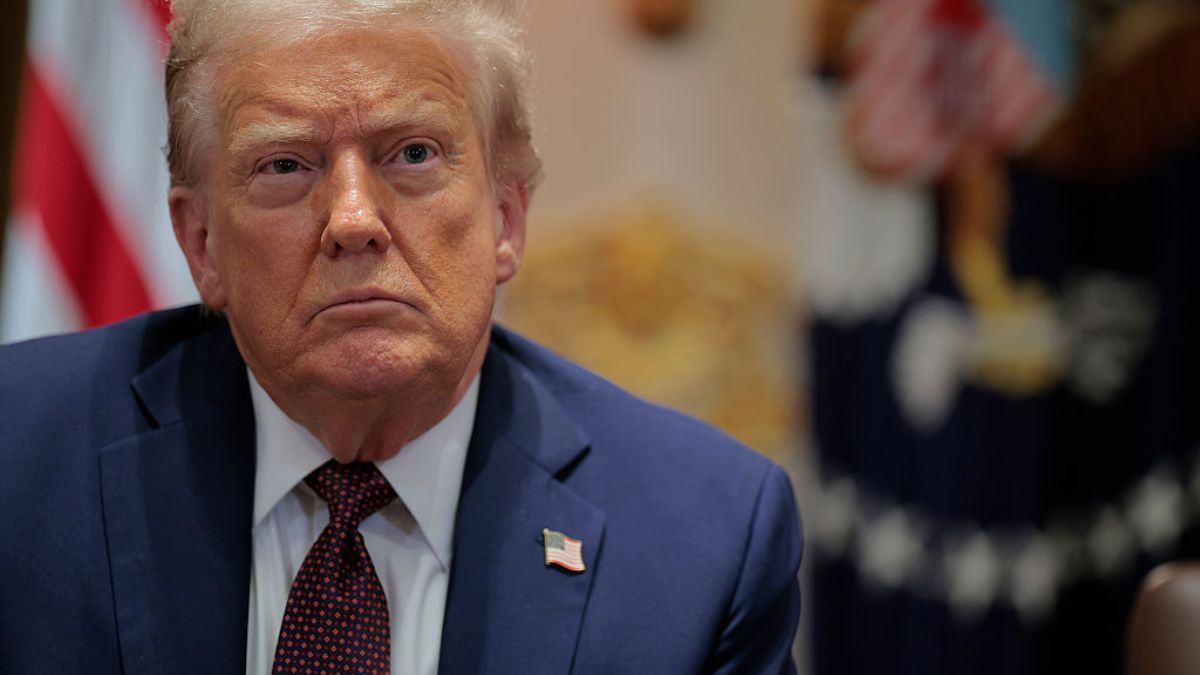

Donald Trump and Republican lawmakers successfully passed their major tax-and-spending cut bill this summer, moving faster than most in Washington expected. The “One Big Beautiful Bill Act,” signed into law on July 4, 2025, extended the 2017 tax cuts permanently while making significant cuts to healthcare and social programs. The legislation added $3.4 trillion to the national deficit through the next decade.
Now Republicans are planning their second act. Despite the massive fiscal impact of their first bill, Trump and GOP leaders are exploring options for another major tax package. Several important tax provisions that weren’t included in the summer legislation are set to expire at the end of 2025.
Trump’s presidential power struggles have defined his second term, and tax policy remains a key focus. “It is a once-in-a-trifecta opportunity. You get two shots, and even if you use your first shot, you still have to try to use your second shot,” accountancy KPMG’s national tax principal Jennifer Acuna told The Hill. “There’s still fiscal year 2026 that can be utilized for a reconciliation bill.”
Republicans debate second reconciliation push amid political challenges
The biggest driver for new tax legislation is the expiration of enhanced Affordable Care Act premium tax credits at the end of 2025. These credits help millions of Americans afford health insurance through marketplace plans. Without extension, an estimated 4.2 million people could lose coverage as premiums become unaffordable.
Republicans face political risks if the credits expire. Conservative policy groups have warned that higher premiums could hurt working Americans just as they benefit from the new tax cuts. “Higher premiums will nullify benefits for working Americans,” Plymouth Union Public Research warned GOP members. “The individuals who will see huge health care premium increases next year if enhanced credits expire are low- and middle-income workers.”
However, many tax experts doubt Republicans can achieve unity for a second major reconciliation bill. Trump’s political maneuvering will be tested as his party faces internal divisions over spending and deficits. “I’m just pretty skeptical that Republicans are going to be able to unite on another budget resolution and then another budget reconciliation bill,” said Rohit Kumar, co-head of PwC’s national tax practice and former Senate GOP aide.
The House Freedom Caucus, which was steamrolled during passage of the $3.4 trillion summer bill, remains highly unlikely to support more deficit expansion. These fiscal conservatives have already signaled they want significant spending cuts in exchange for any additional tax legislation. The political math becomes even more difficult as Republicans work with narrow majorities in both chambers.
Other expiring provisions include the new markets tax credit and work opportunity tax credit, but these represent much smaller fiscal impacts compared to the ACA premium credits. Making these provisions permanent might cost $15 to $20 billion over 10 years, while the premium tax credits run about $30 billion annually. “The premium tax credits are the 800-pound gorilla in this transaction,” Kumar explained.
Despite the challenges, some Republicans believe the early success of the summer tax package makes a second reconciliation bill more likely. They argue it would be a missed opportunity not to push ahead with additional legislation before the 2026 midterm elections, when political dynamics could shift significantly.






Published: Sep 2, 2025 11:38 am