


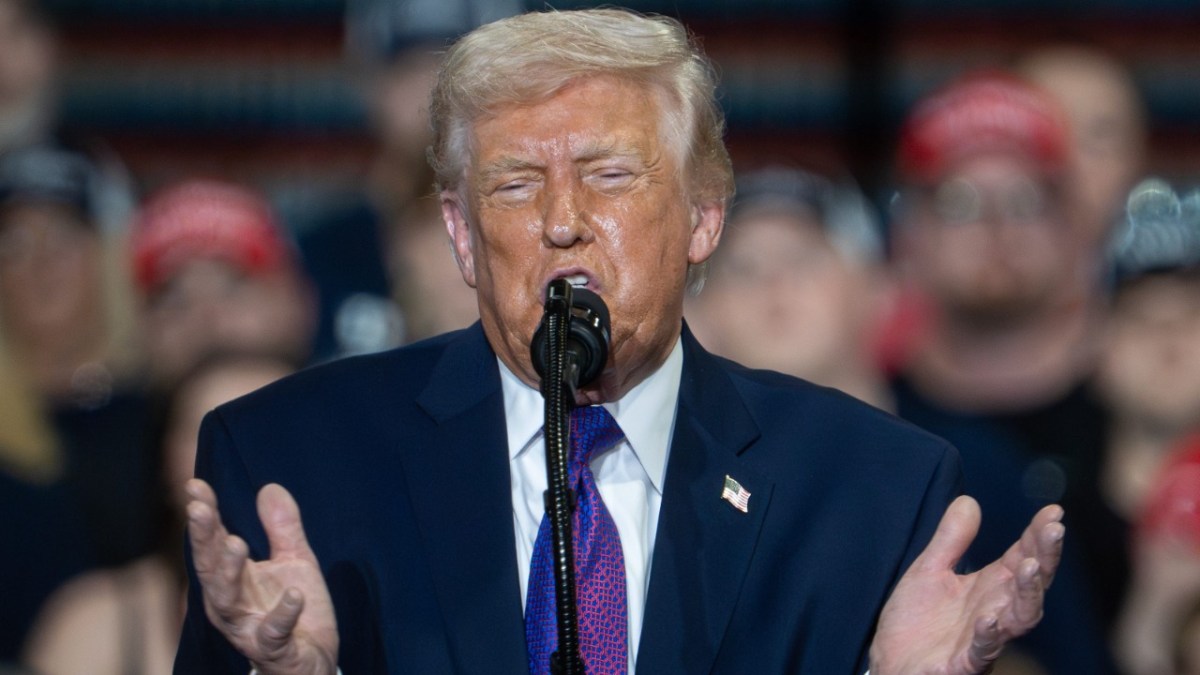

Drivers are paying more at the pump, and President Donald Trump is pointing somewhere other than the waterway Iran closed after the U.S.-Israeli conflict with its regime began. In a Truth Social post on Monday, he said refinery trouble is what is lifting gasoline prices.
He argued that oil is already moving out of the region in large amounts, almost every day. The strain, he wrote, sits with plants that turn crude into fuel: Russian sites hit by Ukraine, and U.S. sites he said are being shut in Democratic-led states, including California.
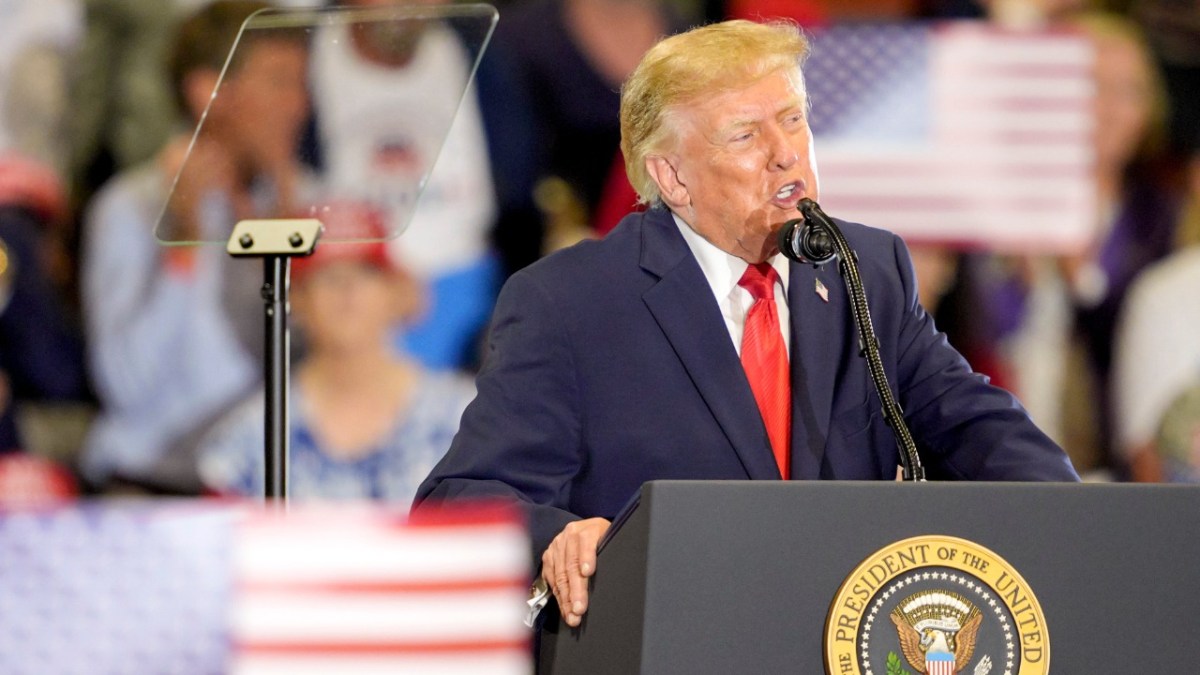
“What’s driving up Gasoline is no longer the Strait of Hormuz, because Record Numbers of Barrels are coming out now on an almost daily basis, but the word, ‘Refineries,’ where Russia’s are being blown up by Ukraine, and where ours are being closed up, in Blue States, like California, by the Dumocrats,” Trump wrote.
A petroleum analyst splits the difference on what is lifting prices
Tom Kloza, Gulf Oil’s chief petroleum analyst, told The Hill the part of Trump’s claim tied to the Russia-Ukraine war was “partially right.” He also said Persian Gulf crude has climbed to $33 per barrel from $1.75 per barrel in February.
That gap, he said, is not a simple supply count. “That’s insurance and freight and all the risk premiums,” he said, and he noted reports that some ships in the strait have come under attack.
“As long as that continues, you’re going to have this incredible risk premium that’s attached to the price of crude, even though you may be getting as much crude as you were getting on Feb. 28,” Kloza said.
Trump had already made a related argument after a Sunday call with Ukrainian President Volodymyr Zelensky. He wrote that strikes on Russian infrastructure had cost Russia “control of its diesel oil industry,” and he said Russia is asking for the war to end.
“A large number of their Diesel refineries have been blown up and are, at least temporarily, out of commission,” he wrote. Late Sunday, the Ukrainian Defense Ministry said it had disabled 51 percent of Russia’s oil refining capacity. The Hill reported that hits on plants from Moscow to Siberia have fed a massive fuel crisis since earlier this year.
AAA figures cited by The Hill put last year’s national average at $3.13 and recent weeks near $4.50 after Iran shut the strait. Trump has repeatedly promised relief at the pump, as when he vowed oil prices would drop precipitously after an Iran war win to below two dollars a gallon.
On Monday, the U.S. average was $4.37, and diesel stood at $6.53, as per AAA. The Hill said both wars have disrupted energy exports, even as Trump has tried to restart talks on ending the war in Ukraine.
Those talks have run for months through U.S. special envoys Steve Witkoff and Jared Kushner, who are working on the four-year war. The New York Times has reported that the discussions include a multibillion-dollar deal that would benefit Middle Eastern business executives tied to the lead U.S. negotiators.
With November’s midterms approaching, The Hill reported that stubborn pump prices have turned into a growing political issue. The pressure on Trump over pump prices has been hard to escape, as Donald Trump admits gas prices may stay high until after the midterms. Many Republican incumbents and candidates have called for the conflict with Iran to end so gas prices can fall.





Published: Oct 6, 2026 08:19 am