




There’s a controversial law called the Foreign Intelligence Surveillance Act (FISA) that allows the U.S. government to spy on individuals outside the country. It’s set to expire next week, but Donald Trump is urging Republicans to use their majority in Congress to renew it — even if it means risking the rights and privileges of Americans not currently within the U.S. And some people are just not having it.
Much like many previous broken promises, FISA was also something Trump campaigned on eliminating when he was first running for office in 2016. FISA, sometimes referred to as Section 702, allows national security agencies to collect texts and emails from foreigners for review without a warrant. National security officials argue that it’s one of the most effective ways to preempt threats, and the CIA has even credited it with helping prevent a major terrorist attack at a Taylor Swift concert in Vienna.
There are downsides to FISA, however. Beyond the basic privacy violations affecting non-terrorist individuals abroad, Americans who communicate with people in foreign countries can also get swept into that data collection — without a warrant. Over time, both Democrats and Republicans began pushing for bipartisan reform of Section 702 to, at the very least, protect Americans from having their data collected without a court order.
During Trump’s 2024 campaign, he also called for the federal government to dismantle FISA, claiming the Obama administration used it to spy on his 2016 campaign. Trump has long been suspicious of government overreach, and to this day he continues to accuse shadowy figures of undermining his 2020 campaign — despite offering no evidence to support those claims.
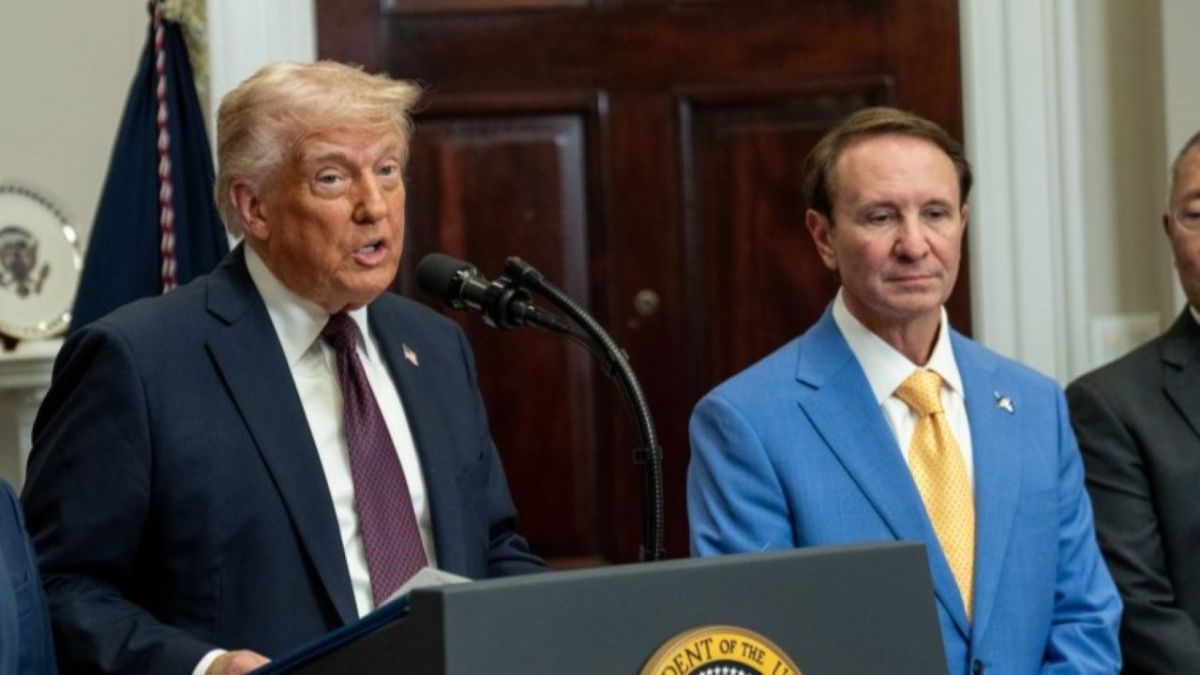
So it came as a surprise when he took to Truth Social to call on Republicans to put aside their “rights and privileges” for the greater good of the country. Trump wrote in part, “While parts of FISA were illegally and unfortunately used against me in the Democrats’ disgraceful Witch Hunt and Attack in the RUSSIA, RUSSIA, RUSSIA Hoax, and perhaps would be used against me in the future, I am willing to risk the giving up of my Rights and Privileges as a Citizen for our Great Military and Country!”
The timing could hardly be worse for the president. With the Iran war still in need of a swift resolution to stabilize the global economy, some are interpreting this as a move to expand war-related powers for the U.S. and its ally, Israel. On X, users were quick to push back, with many saying they are not willing to give up their rights for a foreign conflict they do not support.
I am not “willing to risk the giving up of my rights and privileges” for the Israeli military, sorry. pic.twitter.com/AzIgm3N6h8
— Sal the Agorist (@SallyMayweather) April 16, 2026
There are only so many campaign promises Trump can walk back. First it was the “One Big Beautiful Bill,” which prioritized tax cuts for top earners at the expense of social programs. Then came the reversal on promises to avoid new wars. For some Americans, continuing to give up their privacy may be a step too far — or perhaps the last line they feel they have left.





Published: Apr 17, 2026 08:43 am