


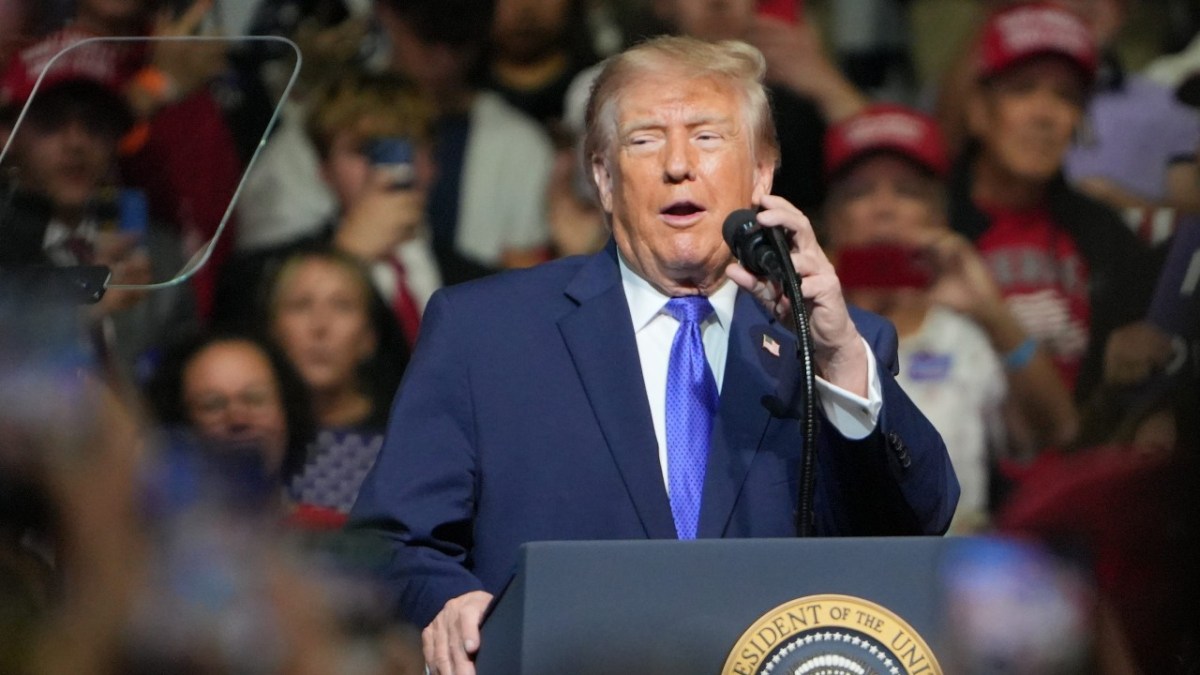

Russian diesel that President Donald Trump said he arranged with Vladimir Putin has not been moving into US ports more than a month after the announcement. Tankers that left a major Russian loading facility and are believed to hold the fuel have dropped earlier plans to head for the United States. Companies and port operators have kept their distance, citing legal exposure and the chance of public backlash, experts told CNN.
Lawmakers from both parties and European partners reacted sharply to the arrangement Trump described as a deal to supply tens of thousands of barrels to American and global buyers. They argued it undercuts pressure on Russia while fighting in Ukraine continues. They also cautioned that anyone handling the diesel could face sanctions violations or other legal problems under US rules.
One vessel, the Agioi Fanendes, sailed from Russia carrying tens of thousands of barrels and had listed the Port of New York and New Jersey as its destination, with an arrival expected near November 7. By Sunday it remained hundreds of miles off the East Coast and was signaling “FOR ORDERS” rather than a fixed port.
Vessels reroute and officials issue warnings over the diesel imports
The operator of the Agioi Fanendes, Eastern Mediterranean Maritime Limited, told CNN through a spokesperson on Thursday that its “discharging port is not confirmed yet.” Other tankers that departed Primorsk in mid-October have likewise shifted away from US waters, MarineTraffic records show. The Talisman has since arrived at the Port of Alexandria in Egypt, and the Leruo is now en route to Brazil after earlier listing US Atlantic destinations.
Both the Talisman and the Leruo carry European and British sanctions, and the Talisman is also under US sanctions. A White House official said on Wednesday that “consistent with the deal agreed to between President Trump and President Putin, Russian diesel is on the water and heading to the market, which will ease prices for Americans.”
The same official did not claim the cargo was bound for the United States and added that the deal “was made to add diesel supply to the global market – lowering prices for Americans and the world – which is exactly what will be done.” Trump has brushed off warnings about the fuel deal.
Trump first described the understanding in an October 9 Truth Social post, stating that Russia would “immediately supply over 300,000 Tons of Diesel Fuel to the American and Global Marketplace.” Administration officials presented the step as a way to ease fuel costs for US drivers in the weeks before the midterm elections. Outside analysts said the volume is too small to move prices much and equals less than one day of normal US energy use.
A bipartisan group of lawmakers wrote last month to the heads of JPMorgan Chase, Bank of America, Citigroup, Wells Fargo, Goldman Sachs and Morgan Stanley, as well as to port authorities in New York and New Jersey and in Houston, Corpus Christi and Beaumont, Texas.
The letters cautioned that involvement in bringing the diesel into the country could trigger legal consequences. They pointed to the Ending Importation of Russian Oil Act of 2022, which bars Russian-origin energy products such as diesel “unless – following a period for consultation with Congress – the President certifies to Congress that Russia has ceased military hostilities in Ukraine, that Russia poses no immediate military threat to NATO members, and that Russia recognizes the right of Ukrainians to choose their government.”
The Treasury Department has issued a sanctions waiver tied to the Trump-Putin deal, yet the lawmakers maintain that the waiver does not override the statute.
“Any importation of Russian diesel into the U.S. raises significant legal questions and may be subject to legal action, as well as congressional investigations,” the letter stated, signed by Democratic Sens. Jeanne Shaheen, Ron Wyden, Sheldon Whitehouse, Chris Coons, Elizabeth Warren, Republican Sen. Thom Tillis, and Democratic Rep. Gregory Meeks.
They added, “Criminal penalties may apply to any company that knowingly buys Russian diesel or facilitates its importation, and not simply the importer of record.”
New Jersey Gov. Mikie Sherrill separately notified port and terminal operators in the state that “any effort to profit from the illegal trade in Russian fuel will be met with harsh penalties.” Charles Lichfield of the Atlantic Council’s GeoEconomics Center said importers would still confront “the immediate reputational risk” even with a Treasury license in place, because the 2022 law remains on the books and could support later enforcement.
“All of this is very politically charged (and) the volumes are small,” he said. “You could make a few million dollars off this shipment, but is it really worth it?”
Julian Hayda of the advocacy group Razom for Ukraine noted that Democratic majorities now control both houses of Congress and said “they are most certainly going to launch investigations into these companies, so it’s not going to be worth it for many of these companies to buy this vehicle in and when it arrives on American shores.”







Published: Nov 16, 2026 09:45 am