


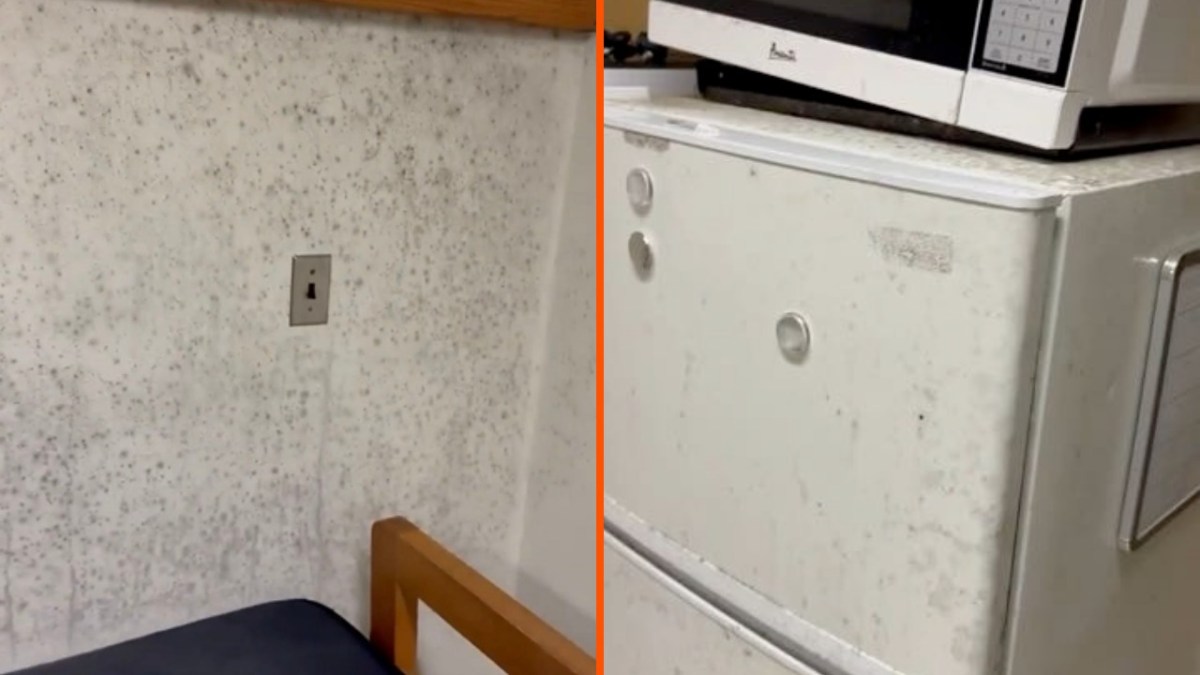

US Army troops have alleged that their barracks are so “mold-infested” that it’s outright unhealthy for them to live there. Per Stars and Stripes, the barracks in question are in Camp Hovey, situated in a strategically critical location just 15 miles from the North Korean border.
On HotsandCots.com, a website that allows enlisted men and women to review the accommodation and food the US military provides, the mood is low. There are multiple pictures that appear to show black mold spreading across ceiling tiles, in ventilation systems, and climbing the walls.
One anonymous soldier in the comments posts images of what look like mold-riddled mattresses, accompanied by the complaint that troops are “being forced to live inside moldy barracks rooms with moldy beds and no ventilation system inside of the bldg. We’ve gone to the top 5 and none of them have helped their suggestion was to “spray it with a spray”. We have soldiers getting sick in these barracks and yet nothing. They refuse to house us anywhere else let alone deal with the issues.”
Is this even allowed?
Per Stripes, Col. Chris Choi, commander of U.S. Army Garrison Yongsan-Casey, explained: “The affected facilities are designated for rotational forces, and the deficiencies were identified during the recent transition between outgoing and incoming units.” He added: “Our Soldiers deserve safe, healthy and properly maintained living conditions. We remain committed to resolving these issues as quickly as possible and ensuring our facilities meet the standards our Soldiers deserve.”
The report also quotes command spokesman Lt. Col. Arturo Rodriguez, who insisted that the Army “takes concerns involving Soldier health, safety, and quality of life seriously” and that they are “reviewing concerns.” What that means in practice is unknown, though the Pentagon has vowed to review “maintenance backlogs.”
The symptoms of mold exposure are nothing to sneeze at. The Cleveland Clinic lists short-term symptoms such as a stuffy nose, throat irritation, or coughing. Those with more sustained exposure can expect asthma symptoms, breathing difficulties, or even pneumonia. There are also widespread reports of neurological conditions arising from mold exposure, though according to the CDC a causal link has still not been proven.
All of this comes against the backdrop of Pete Hegseth’s 2025 vow that it was “unacceptable” for America’s “warriors” to live in “substandard housing”. He insisted he was going to do something about it, along with his plans to monitor mens’ testosterone levels and track womens’ periods.
As he specifically promised, just under a year ago: “This isn’t just about creature comforts. This impacts morale, readiness and our ability to recruit and retain the best warriors. Quality of life for our warriors is a critical component of reviving the warrior ethos and rebuilding our military. Barracks are where warriors live, rest and recover. How can we expect them to be ready for anything on the battlefield when their own living space is a constant source of stress and frustration? That all ends now.”







Published: Oct 29, 2026 01:15 pm