


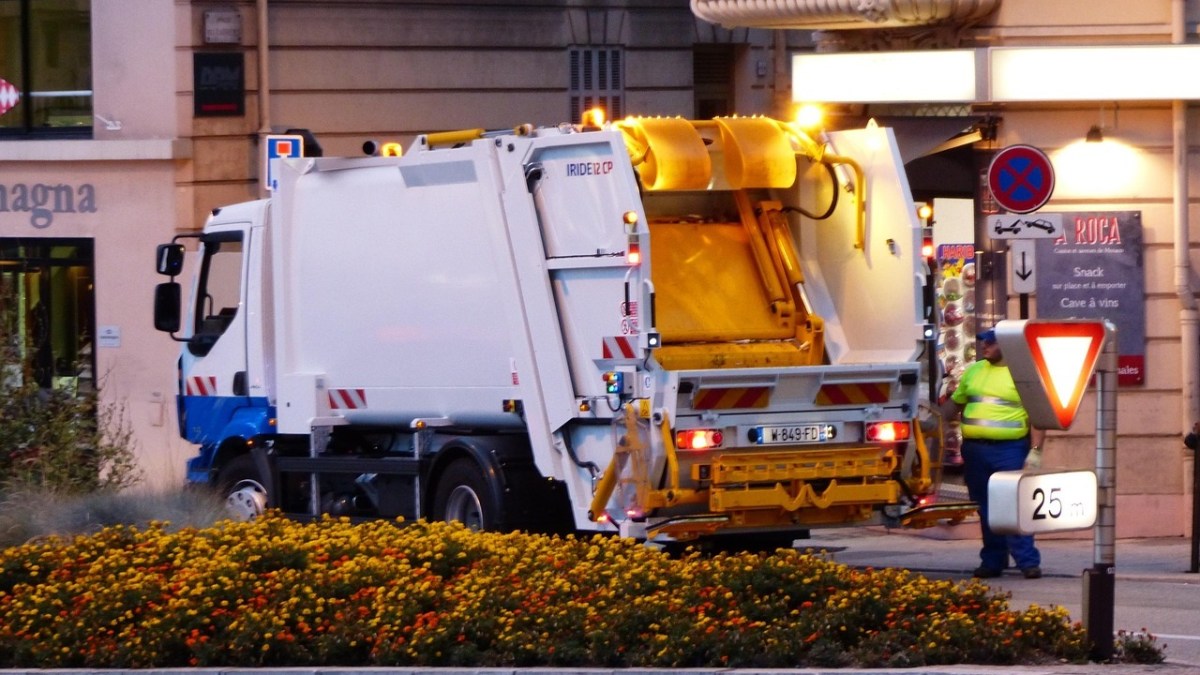

Dallas has turned its garbage trucks into mobile property inspectors, according to city records obtained by NBC 5. Cameras mounted on the trucks photograph homes and flag things the city considers possible code violations.
Since April, the city has mounted 100 AI-powered cameras on 50 brush and bulky-waste trucks. Two cameras sit on each truck, one facing each side of the street, scanning homes as the trucks make their normal rounds.
The cameras don’t just take pictures. The cameras flag possible code violations and give each property a “blight score” from 1 to 4. City officials use the scores to help human reviewers prioritize properties for inspection. So far, the system has flagged at least one possible violation on more than 21,000 properties, covering issues like overgrown grass, litter, debris, and structural damage.
The AI is turning yard problems into official scores
Some flagged homeowners have already received code enforcement “courtesy notices.” Those notices can lead to further enforcement if they don’t address the issue. One homeowner’s property was flagged over the paint on his chimney and given a blight score of 2. He questioned the severity of the issue, calling it “pretty wild to be a number two.”
That kind of pushback isn’t unique to Dallas. Critics of other automated surveillance rollouts, like Flock’s license-plate camera network, have raised the same complaint about consent and who gets to set the rules.
The cameras have real limits, per the city. They shoot in 1920 x 1080 resolution with a fixed lens and no zoom, optical or digital. Officials say the setup only captures street-level views and can’t see over fences.
City Detect runs the camera system for Dallas. The company says it has no role in how the city enforces the results. CEO Gavin Baum-Blake said faces and license plates are blurred. Dallas says its AI was trained across different seasons, building styles, and lighting conditions, aiming to reduce biased or inconsistent detections. But the fact that the cameras can capture homes without their owners opting in adds another layer to the privacy concerns, similar to doorbell cameras that can capture neighboring properties.
Even so, there are concerns about how the program could affect lower-income neighborhoods. NBC 5 found that the largest concentration of properties flagged by the cameras was in Southern Dallas, including some of the city’s most economically challenged ZIP codes.
Dallas City Councilmember Chad West said his main concern was that the program could become “inadvertently a tax on the poor.” He worried that more citations could hit neighborhoods where homeowners are already struggling financially. The Councilmember had proposed cutting funding for the three-year, $2.5 million contract behind the cameras. He later withdrew the request after the city manager’s office agreed to brief a council committee on the program.
West says the cameras could still help spot illegal dumping sites. However, he wants a closer look at how the program affects families and who can access the images. For now, the trucks keep rolling, and the blight scores keep coming in.



Published: Sep 21, 2026 08:30 am