


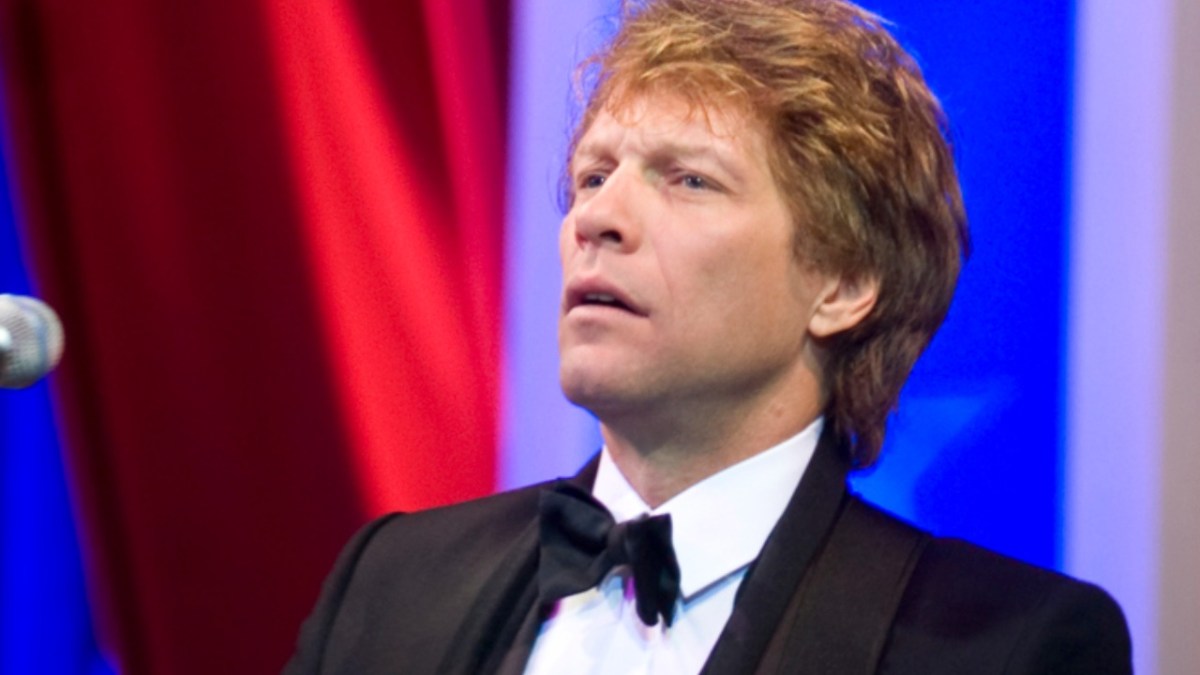

Leslie Pickett, a Louisiana resident who said she has been a fan of Jon Bon Jovi since she was 14, began exchanging messages in late 2024 after she left a comment on the singer’s verified Instagram account. About five minutes later, she received a reply from an account that appeared to belong to him but lacked a verification badge, according to The Daily Hodl.
Pickett said the person gave thoughtful answers to her questions, which led her to believe it could be real. She stated she was not very familiar with the check marks that mark verified accounts and added, “I had doubts, but hey, a girl can dream.” The account claimed it allowed closer contact with fans and warned that management would shut it down if discovered. It also claimed that Bon Jovi and his wife had quietly filed for divorce but were keeping the matter private to protect his image.
For months, the messages continued several times a day and night. The person said “I love you,” remembered details from early conversations, sent flowers to her home, and shared recorded videos along with a live video call. Pickett described the exchanges as similar to talking with her best friend and said they discussed everyday life and music. When she showed photos and videos to a cousin who had been skeptical, he reportedly said, “That’s him! There’s no doubt about it.”
Messages and customized videos continued for months before any request for money
Money requests did not begin until roughly seven months after the first contact, Mariana van Zeller, the Emmy-winning journalist who presents the National Geographic special Super Scam Me, said in comments reported by Fox News Digital.
The first request came after a sold-out Bon Jovi performance in Nashville that limited tickets to about a thousand people and sold out in four minutes. The person suggested a meet-and-greet arranged through management, provided email addresses, and walked Pickett through the steps. She said she had never heard of the word “crypto” before this.
Initial payments of $100 or $150 were said not to have gone through, after which she was instructed to send larger amounts using Venmo, PayPal, Cash App, and cryptocurrency. The person claimed regular websites get hacked and that crypto was the safer option. Pickett said nothing felt unusual until she noticed the money was not returning to her account, and she sometimes stayed up at night trying to complete the transfers.
In July 2025, the person claimed to be traveling to Louisiana for the meet-and-greet and sent photos of himself seated at a table in a hotel Pickett recognized. Details such as light fixtures, furniture, carpet, utensils, and napkin rings appeared to match the location. A supposed security clearance check over Google Chat was cut short when the call ended abruptly.
A follow-up message claimed management believed she had tried to record the call, creating a security issue. The person then requested a much larger Bitcoin amount to arrange another check and remain in town for a while.
Pickett said that was the moment she thought, “Oh my God, this is just not real,” and decided to contact van Zeller. She later told Fox News Digital, “My heart was shattered. I was still willing to give him the benefit of the doubt. But there was nothing but ill intent. That’s what hurt the most.” Even after realizing that, she wondered whether the person might have been someone in the United States who wanted a real relationship rather than just money.
Van Zeller and Pickett worked with a former hacker who set a trap involving a Bitcoin claim. The internet address that appeared led to Lagos, Nigeria. The team then used Google Earth to identify what they believed was the house from which the messages had been sent, as detailed in reporting by The Daily Hodl. Pickett said she lost more than $10,000 and fell so far into debt that her home faced foreclosure.
The videos had been especially convincing. Pickett recalled that the person would say her name in them and would fulfill specific requests within minutes. She once asked for a video showing him pulling on his right ear, crossing his eyes, and sticking out his tongue, and received it in about five minutes. She said, “That’s how good AI is.
Van Zeller, who watched several clips, described them as professional and believable, unlike the distorted deepfakes of earlier years. According to the International Business Times, a July 2026 FBI Internet Crime Complaint Center alert warned that scammers use AI-generated videos of public figures to support fraud schemes. Fake online personas are not limited to celebrity impersonation, as one man learned when his dating app match’s real identity was revealed.
Pickett continues to work a full-time job while rebuilding her finances. She has said the emotional impact has been harder to move past and that the experience affected her ability to trust others. She also stated that she can no longer listen to the band’s music, adding, “I know it wasn’t him that scammed me, but I can’t listen to any of that anymore.”
She now posts warnings on social media about unverified accounts and said, “My ultimate goal today is to slow it down and eventually stop this industry.” Van Zeller has described romance scams as the fastest-growing and most devastating form of financial crime, noting that one in seven Americans have reported losing money to them.
Federal Trade Commission figures reportedly show more than one million imposter scam reports in 2025, a category that includes romance fraud, with reported losses exceeding $3.5 billion. Other older daters have faced similar financial fallout, such as a North Carolina woman’s $35,000 dating site loss.




Published: Oct 27, 2026 12:45 pm