


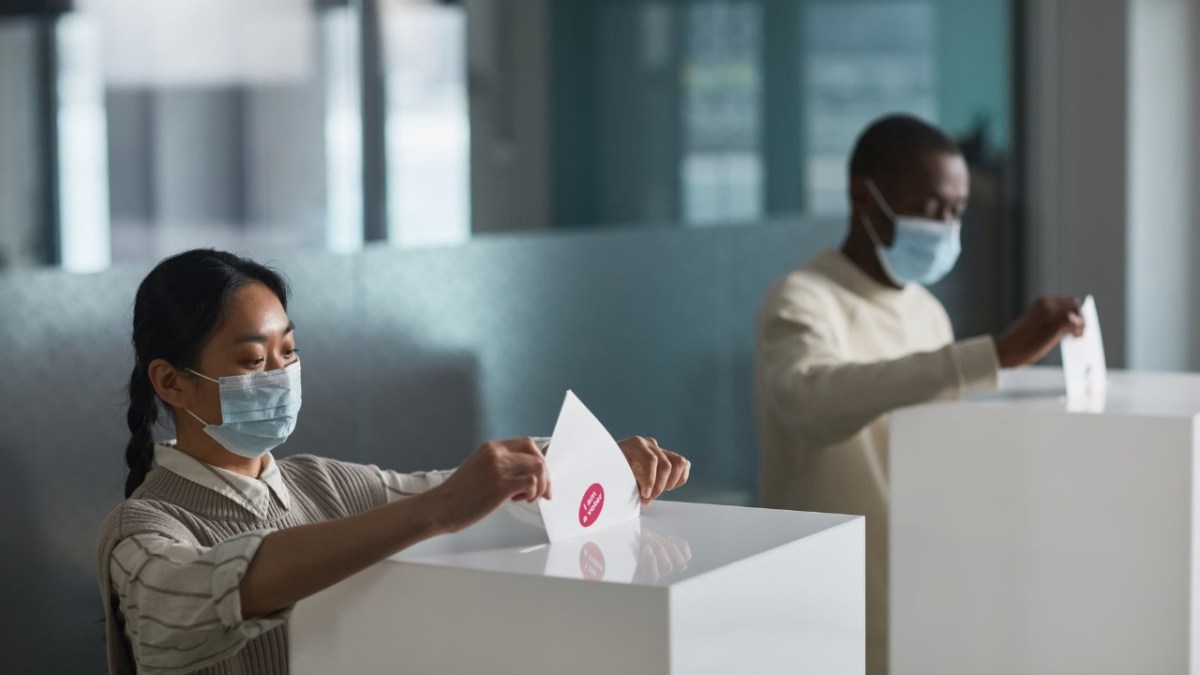

The Justice Department has asked Washington state to hold aside any ballots that might arrive from more than 400 people it claims are registered voters despite lacking U.S. citizenship, according to The Guardian. The request arrived on Monday and follows a comparable demand made to California less than two weeks earlier. Both states have competitive races this midterm cycle that could shape which party controls Congress.
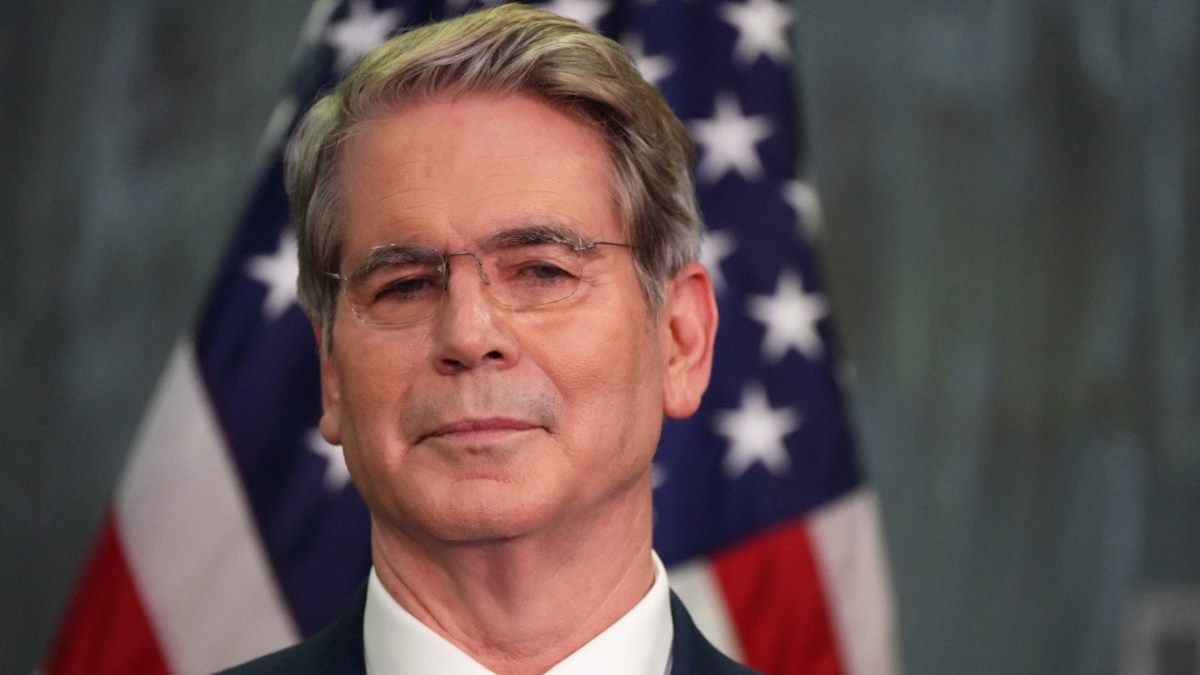
Officials outlined the request in a letter sent to Secretary of State Steve Hobbs. They said they had tracked 1,500 votes previously cast by more than 400 individuals. The department wants any ballots those people might submit in the coming midterms set aside until the state can verify their eligibility. Washington maintains more than 5 million registered voters and automatically mails a ballot to each of them.
Acting U.S. Attorney Charles Neil Floyd in Seattle described the 405 people identified so far as “the tip of the iceberg.” He added, “Because of limitations the state has placed on our investigation, we’ve only been able to uncover a fraction of the total number.”
Officials examine voter list that reaches back to a 1994 ballot
Hobbs said his office is reviewing the materials. Staff noted that the information supplied by the department listed the most recent time each of the 405 people had voted, and one entry dated to 1994. Hobbs responded that “the timing of this request – one week before the general election – is no doubt intended to cast unfounded suspicion on the results.”
Floyd explained that much of the list rests on “recent contacts” with people the department suspects are noncitizens. Federal officers have begun checking, as a routine step, whether individuals they encounter are on the voter rolls. He said confirming that any of them voted illegally remains difficult without access to the state’s own records. The department has asked for addresses, dates of birth, driver’s license numbers, and partial Social Security numbers.
This marks the latest push by the administration to locate noncitizen voters. Noncitizen voting is apparently exceptionally rare, and Donald Trump has repeatedly sought to undermine public confidence in elections. Trump has also ordered an investigation into Maryland’s mail-in ballots. Separately, Washington officials have pointed out that recent changes in U.S. Postal Service handling have left thousands of legitimate voters unable to cast their ballots.
The Washington letter is the third direct challenge the Justice Department has issued to a state this month while voting is already underway. Washington, California, and Alaska each feature House or Senate contests expected to help decide the balance of power. In Washington’s third congressional district, one of the nation’s most competitive races, Democrats view Congresswoman Marie Gluesenkamp Perez’s reelection as essential to their chances of regaining the House majority. She has won the seat twice in a district that backed the president in each of his campaigns.
The department has also sued California in an effort to require the state to set aside mail ballots from as many as 20,000 people federal officials suspect may not be citizens. A separate lawsuit filed in Alaska last week asks a court to delay certification of the results if the Republican incumbent loses.
A federal appeals panel in California held unusual Sunday arguments and raised questions about the timing, constitutionality, and legal authority behind the Justice Department’s demand.
On Monday, the judges declined to decide the expedited schedule the department sought and returned the matter to a lower court. Under the Elections Clause of the U.S. Constitution, state legislatures hold the power to set the time, place, and manner of congressional elections.
In a court filing, Los Angeles County assistant registrar-recorder Monica Flores said her staff examined a sample of 200 names from the administration’s list. The review turned up canceled or inactive registrations, individuals with no voting history, and voters who appeared to have been born in the United States.
California officials called the appeals court’s action a victory for voting rights. Attorney General Rob Bonta pledged to “fight back against the administration’s unlawful overreach at every turn,” while Governor Gavin Newsom accused Trump of an assault on democracy. The Justice Department informed Washington that it expects to send an additional list of people it suspects are noncitizens before Election Day. It also acknowledged that some of those individuals may have become naturalized citizens since registering.


Published: Oct 27, 2026 10:45 am