


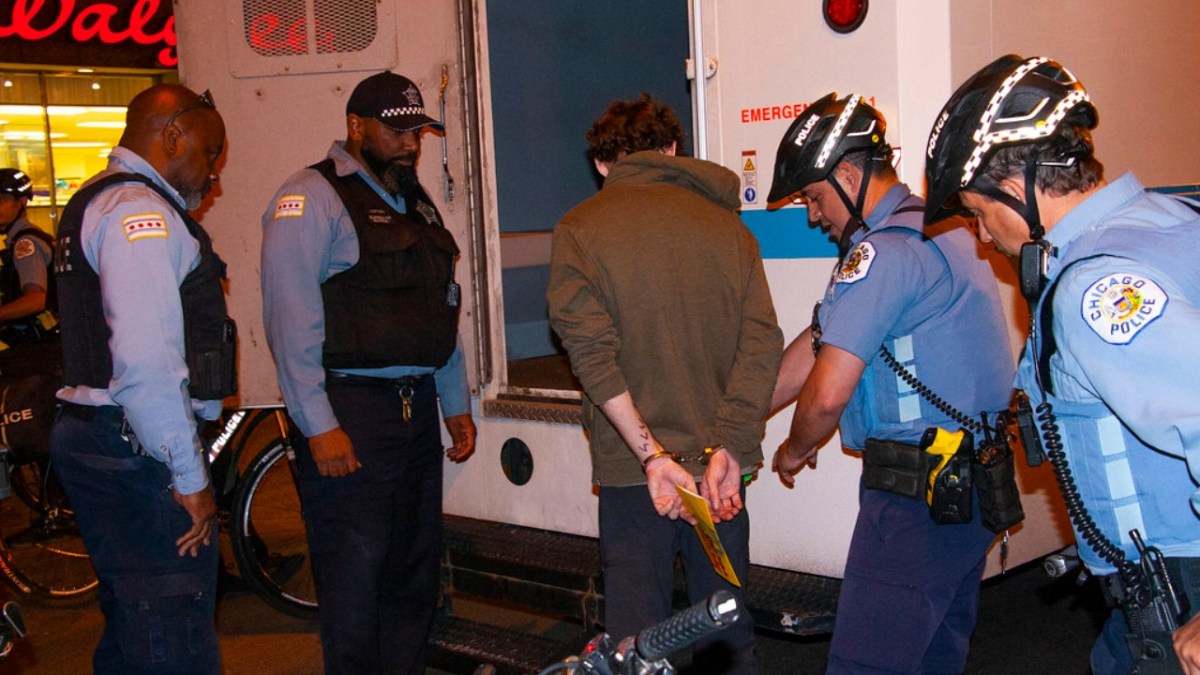

Federal authorities have charged more than two dozen foreign nationals in California with alleged election-related crimes as the Trump administration steps up efforts to investigate noncitizen voting ahead of the midterm elections, according to The Associated Press. The arrests, announced as part of a statewide operation called Operation Protect the Vote, come amid a growing dispute between the Justice Department and California over how the state manages its voter rolls and verifies eligibility.
According to federal officials, those arrested are lawful permanent residents, but not U.S. citizens eligible to vote in federal elections. The charges include allegedly making false statements on naturalization applications and submitting fraudulent voter registrations. However, the allegations have not been proven in court.
The sweep is part of a wider federal effort to address alleged election misconduct. The Justice Department has charged around 90 people with various election-related offenses this year, including about 50 accused of voting as noncitizens.
California defends itself
The arrests come as the Justice Department and California officials clash over voter registration records and mail-in ballots. Last week, the federal government sued California over its handling of ballots sent to people it identified as “likely” noncitizens, seeking to prevent those ballots from being counted until their immigration status could be verified.
Rob Bonta, California’s Democratic attorney general, said that the Republican administration “has provided us with no facts of any ineligible voters, just a conclusory statement with no evidence to back it.” She also expects the state to prevail in the federal government’s lawsuit.
The Justice Department subsequently warned that election officials who knowingly process or count ballots cast by noncitizens could face investigation and potential prosecution. In a letter addressed to the Los Angeles County Counsel’s office, acting Deputy Attorney General Trent McCotter said, “The legal consequences for either facilitating or ignoring a federal crime are significant. Noncitizen voting in a federal election is a federal crime — and knowingly facilitating such conduct is equally unlawful.”
Los Angeles County Registrar Dean Logan responded by emphasizing his office’s commitment to conducting a fair and secure election. He also criticized the federal government’s approach, saying the Justice Department had chosen to pursue its unverified claims through litigation and that the matter should be addressed in court.
Bill Essayli, the top federal prosecutor in Los Angeles, criticized the state’s election officials. He questioned, “Why is California refusing to show their voter rolls?” he asked. “What are they afraid of? What are they hiding?” The administration has also sought detailed voter information from states, including addresses, dates of birth, driver’s license numbers, and partial Social Security numbers.




Published: Oct 21, 2026 05:16 pm