


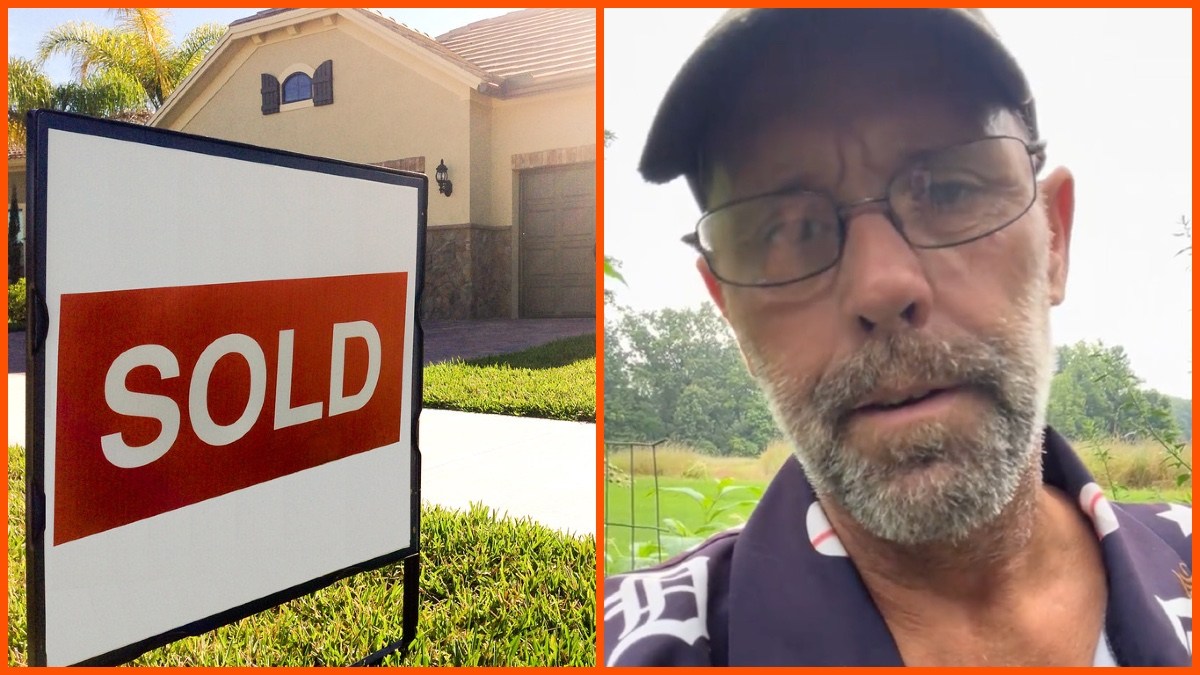

A Michigan couple says a bizarre address and legal-description mixup turned their home purchase into a months-long nightmare. Now they’re left questioning whether they actually own the house they live in. TikTok creator Married with Animals (@seans.crazy.life) described the ordeal in an August 2026 TikTok post captioned “Our living hell.”
Sean’s account alleges that an incorrect address on the Zillow listing ultimately became entangled with county records, taxes, mail delivery, and the couple’s deed. Sean says he and his wife for the property on Zillow and arranged a visit. The listing showed 962 Sherwood, but when they arrived, the house did not match the listing photos.
They contacted their Realtor, who allegedly told them Google Maps had the wrong location. The Realtor then directed them a quarter mile east to another house. The couple toured that property, made an offer, and eventually had it accepted.
More serious issues popped up shortly before closing.
After the sellers accepted the offer, the Realtor told Sean the title company could not find the property’s survey. Because of that fact, they would need to sign a survey waiver. Sean then questioned whether everyone had the right address. He says the Realtor assured him that the address was correct.
The next morning, Sean returned to the property and checked the mailbox. Instead of 962, it displayed 942. Sean contacted the Realtor and the title company.
According to Sean, the title company told him the street address discrepancy did not determine who legally owned the property because ownership hinged on the legal description in the closing documents. “So we trusted in them, which was a huge mistake,” Sean said.
The couple proceeded with the closing and paid cash.
Sean says the closing documents largely reflected 942 Sherwood, although a tax page still contained different information. The title company told them they could correct the street address discrepancy later.
According to Sean, county records later showed that the sellers owned the property identified in the tax records, not the home the couple had purchased and occupied. He says the address listed on the deed did not correspond to the house the couple purchased and occupied.
Michigan’s State Tax Commission explains that a legal description uniquely identifies the property involved in a real estate transaction. According to the governing body, an address or property identification number alone is insufficient.
Sean says the confusion also affected the couple’s mail and taxes.
Sean then claims they went five and a half months without receiving mail after forwarding it multiple times and later discovered additional problems with the property’s tax records. He also says they had already placed homeowners insurance and utilities at the wrong address and paid $830 to fill a heating-oil tank at the wrong property.
Sean says he eventually filed a title insurance claim. He says the title insurance company initially denied coverage, arguing that the title company had relied on incorrect property information provided by the county assessor. Michigan’s Department of Insurance and Financial Services says owner’s title insurance can protect buyers against certain undisclosed property title issues, although coverage depends on the specific policy and its exclusions.
Sean says he has since contacted Michigan officials and plans to pursue complaints involving the professionals and agencies he believes contributed to the problem. Michigan’s Department of Licensing and Regulatory Affairs accepts complaints involving licensed real estate brokers and salespeople and says real estate complaints generally must be filed within 18 months of the alleged violation or transaction.
One TikTok commenter, who said they had worked as a mortgage lender for more than 10 years before working for a Realtor, said the Realtor and title company should be held responsible. The commenter encouraged Sean to contact the state’s licensing board and local news organizations.
Sean says the experience has damaged his finances and left him determined to pursue the matter. “We spent the next several months wondering, did we just get scammed?” he said. Sean’s story is the second unusual Zillow-related issue in recent months. In Colorado, someone listed a home for sale while a woman still lived in it.







Published: Aug 21, 2026 06:15 pm