



A TikTok user recently posted a story on the app that highlighted one of the more uncomfortable questions surrounding charity. How much autonomy do people expect homeless individuals to have? Should they simply accept whatever help is offered, or is making specific requests a sign of ingratitude? The answer will almost always depend on who you ask.
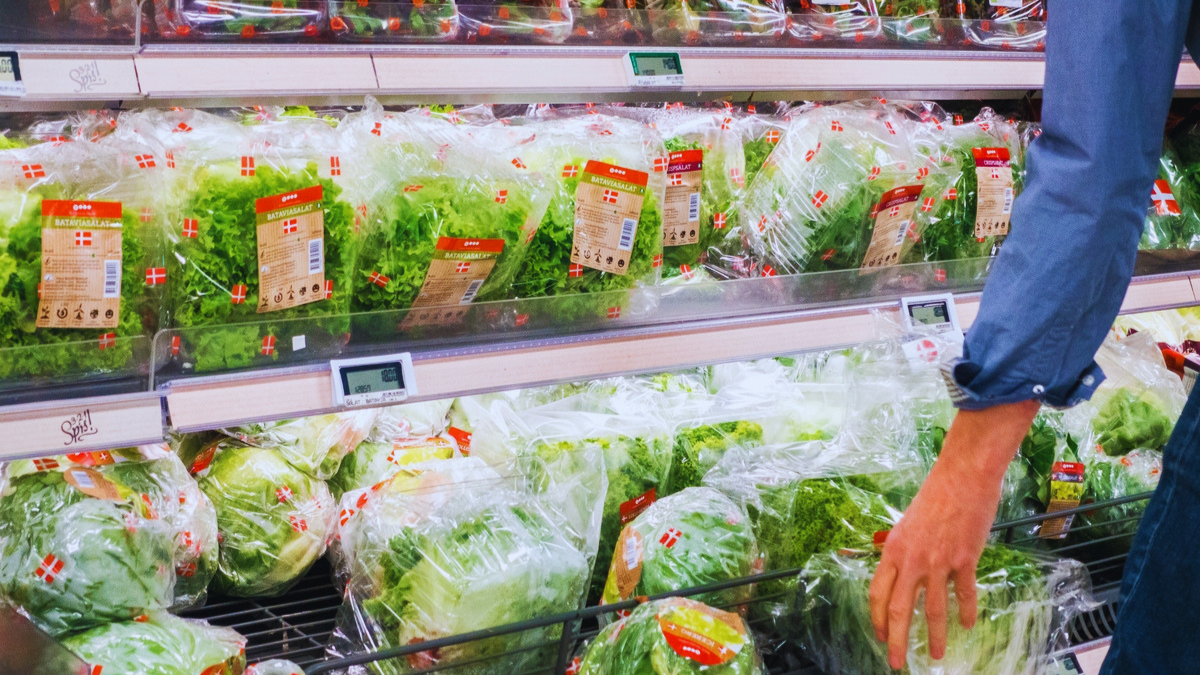
The woman alleged that she was doing a grocery run at Tesco when she noticed a homeless man sitting outside the store with his dog. Since she had some extra money to spare, she says she decided she might as well help someone who appeared to need it. Rather than assuming what he needed, she approached him and asked directly.
The request caught her off guard
Many retailers have come and gone since Tesco was founded in 1919, but the company has remained one of the dominant forces in British retail for decades. Because of its high foot traffic, stores like Tesco have also become common places where homeless individuals spend time, hoping to receive assistance from shoppers passing by. On this particular day, the woman felt she had something to give and decided not to wait until she was asked.
According to her account, she initially offered to buy the man food or perhaps a drink. However, the man explained that he had already eaten Taco Bell and did not need another meal. Instead, he asked if she could buy him a cider and a scratch card.
That request immediately caught the woman off guard.
The idea of using her money to purchase alcohol or a gambling product did not sit well with her. After thinking about it, she decided that, of the two options, she would be more comfortable buying the scratch card. She assumed it would probably cost around £1 and saw it as a relatively harmless compromise.
However, the man was allegedly very specific about which scratch card he wanted, and the one he requested cost £5. At that point, the woman decided the request exceeded what she was comfortable paying and ultimately told him there was nothing she could do for him.
This type of dilemma is hardly new. People who want to help often struggle to balance generosity with respecting another person’s ability to make their own choices. Even governments have encountered similar issues. In Los Angeles, for example, some homeless shelter residents chose to leave city-provided housing because certain facilities prohibited guests due to limited budgets and operational restrictions. While the shelters provided safety and resources, some residents felt the rules limited their autonomy too much.
After recounting the interaction, the TikToker asked her followers whether she was overthinking the situation or if her discomfort was justified. The responses were predictably divided.
At the same time, stories like this are a reminder of the limitations of one-sided social media narratives. Viewers are only hearing one person’s version of events. The homeless man is unlikely to ever share his perspective, and he almost certainly has more pressing concerns than responding to a viral TikTok.
Even if you choose to believe the creator’s account, it is still worth approaching stories like this with a healthy degree of skepticism. Social media rarely captures the full context of an interaction, and there is almost always more to a story than what fits into a short video.
Intentions matter
Some people believe charity should come without conditions and that assistance loses some of its virtue when the giver begins placing limits on how help is used. Others argue that when someone is receiving help, especially from a stranger, they should not be selective about what is offered.
There is no easy answer here. The larger question is not whether the woman should have purchased the scratch card or the cider. Rather, it is how much choice society is willing to extend to people who are struggling. What seems clear, however, is that she approached the situation with good intentions. In circumstances like these, the willingness to help at all still matters, even when the answers are not straightforward.







Published: Jun 30, 2026 01:10 pm