


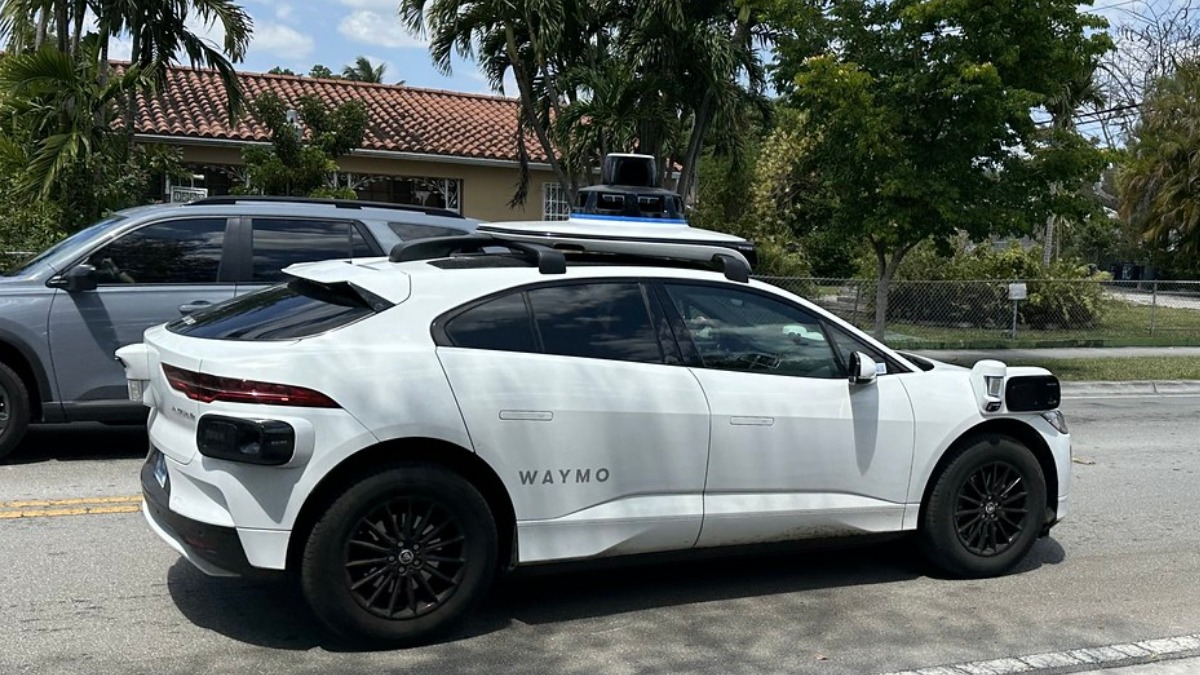

Residents living on Battleview Drive in Atlanta are waking up to a bizarre reality every morning as dozens of empty driverless vehicles descend upon their quiet cul-de-sac. This strange parade of autonomous technology has left homeowners searching for answers while the robots navigate their streets without any clear purpose or destination.
According to USA Today, the issue has escalated significantly over the past few weeks, turning a peaceful neighborhood into an unexpected hub for Waymo activity. These vehicles have been a familiar sight through the city as part of a year-long expansion of autonomous ride-sharing services. Now, residents have reported seeing as many as 50 in the neighborhood between 6 and 7 a.m. on a single day.
Initially, despite the crazy disruption, Waymo stayed silent, leaving residents feeling ignored and concerned that their street was being used as a makeshift parking or training ground during off-peak hours. It runs contrary to Waymo’s claim that they are committed to being good neighbors. Eventually, Waymo issued a statement noting that they take community feedback seriously and have addressed the specific routing behavior causing the issue.
I wonder what GPS quirk sent them to swarm in one spot
The company emphasized its broader impact, stating, “With over 500,000 weekly trips across the country, our service is proven to significantly reduce traffic injuries and improve road safety. We value our relationship with Atlanta residents and remain focused on providing a seamless, respectful, and safe experience for riders and residents alike.”
Until then, however, the residents kept having their misadventures. One resident even attempted to block the influx by placing a traffic sign in the middle of the road, which resulted in eight of the vehicles becoming stuck as they struggled to figure out how to turn around.
Here is the thing, though, this hasn’t been the only problem that Atlanta has faced with the driverless car service. In February, a Waymo vehicle was caught on camera entering an active crime scene, appearing to drive past police and emergency responders before finally coming to a stop.
Waymo explained that the vehicle had been navigating a parking lot and entered an unblocked lane, eventually stopping once it recognized the emergency vehicles. Beyond that, Atlanta Public Schools reported six instances where Waymo cars passed stopped school buses, a dangerous oversight that has raised alarms about the safety of these systems around children.
What makes this worse is that just a few days before this story gained significant traction, Fox News reported that Waymo had issued a recall for 3,791 vehicles. This recall was prompted by a software failure that allowed a robotaxi to continue moving into standing water on high-speed roadways.
The potential for loss of control in flooded conditions is a serious safety risk. This specific glitch highlights the ongoing challenges of deploying AI-driven vehicles in unpredictable, real-world environments. Waymo has since implemented software safeguards to refine how its cars handle extreme weather and flash flooding.
A company spokesperson told Fox News Digital, “Waymo provides over half a million trips every week in some of the most challenging driving environments across the U.S., and safety is our primary priority. We have identified an area of improvement regarding untraversable flooded lanes specific to higher-speed roadways, and have made the decision to file a voluntary software recall with NHTSA related to this scenario.”
The scrutiny doesn’t stop at safety glitches, though. Concerns are also being raised regarding the company’s supply chain and potential national security risks, particularly involving the Chinese automaker Zeekr.
Critics have pointed out that the hardware inside these vehicles, which includes cameras and audio recording equipment, could theoretically be susceptible to foreign manipulation. While Waymo maintains that its software, sensors, and computing systems are developed and installed in America, the Trump administration remains focused on the vulnerabilities of China-linked technology.
Unfortunately for Waymo, random errors like the vehicles flooding Battleview Drive because of a routing glitch that just keeps it moving don’t help with developing confidence in the technology. Or its ability to stay safe from hacking.





Published: May 18, 2026 08:52 am