



A family nurse ended up discovering that a red spot on her tongue was actually cancer. Rachel Passarella had sought medical advice numerous times — from a dentist to an Ear, Nose, and Throat (ENT) specialist — and was repeatedly assured that her concerns were overblown.
“‘You’re not a smoker, not a drinker, and not a man. Your risk is low,’” is exactly what Passarella’s ENT specialist told her, according to a report in People. But before she even got there, she first visited a dentist. At the beginning, the symptom was simply an unusual red spot on her tongue. And as a single mother of four navigating the ever-shifting and often hostile realities of healthcare coverage in the United States, she was hoping the issue was far less serious than it appeared.
Passarella later wrote a personal essay revealing that the dentist initially told her, “‘You’re healthy. You don’t smoke or drink. It’s probably a canker sore.’” The only advice she received was to avoid irritating mouthwashes. In an era where many people are increasingly suspicious of medical assessments, Passarella still chose to trust what her dentist told her.
However, the situation only escalated. Despite trying home remedies like baking soda rinses and coconut oil, the sore continued growing larger. That’s when Passarella decided to see an ENT specialist. According to the National Institute of Dental and Craniofacial Research, oral cancer is roughly three times more common in men than women. Smokers are also about ten times more likely to develop oral cancer than non-smokers like Passarella. So naturally, the assumption again was that she only needed moderate treatment.
Passarella herself was deeply worried and requested a biopsy, but the ENT specialist rejected the idea and instead prescribed steroid mouthwash and oral steroids.
She began suspecting that neither of her first two doctors were correct when she became unable to eat properly and ended up losing 15 pounds. That’s when she sought out a second dentist, who used a handheld device designed to screen for oral cancer to scan the lesion.
For months, Passarella waited for biopsy results. Six months later, she finally decided enough was enough and walked into the ENT office demanding that she would not leave without answers.
Cancer is always unpredictable. Nobody truly knows where it will strike next — and that uncertainty is exactly what makes it so terrifying. Even the wealthy, despite access to elite healthcare, still find themselves blindsided by diagnoses of an illness humanity has struggled against for generations.
Eventually, Passarella finally received her long-awaited biopsy and was officially diagnosed with squamous cell carcinoma in situ, or stage 0 cancer. But even then, she still was not satisfied. She sought out a head and neck oncologist and later discovered that she actually had invasive stage 2 tongue cancer.
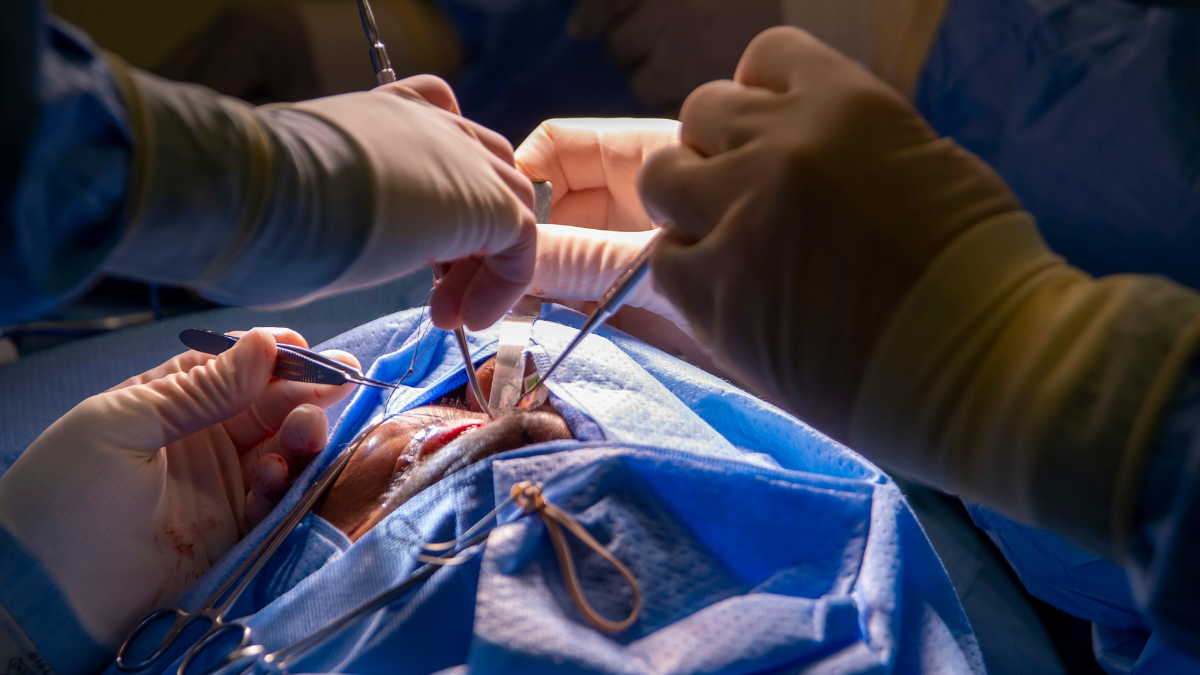
By that point, the tumor had already spread roughly 8 millimeters deep into her tongue, forcing doctors to perform surgery that removed 40 lymph nodes and approximately 35 to 37 percent of her tongue. The surgery was ultimately successful, but Passarella says she still lives in fear to this day.
She explained, “Most patients are dismissed for five to six months. Some lose their entire tongue. I’ve spoken to families who lost loved ones because their symptoms were ignored for a year.”








Published: May 16, 2026 10:02 am