


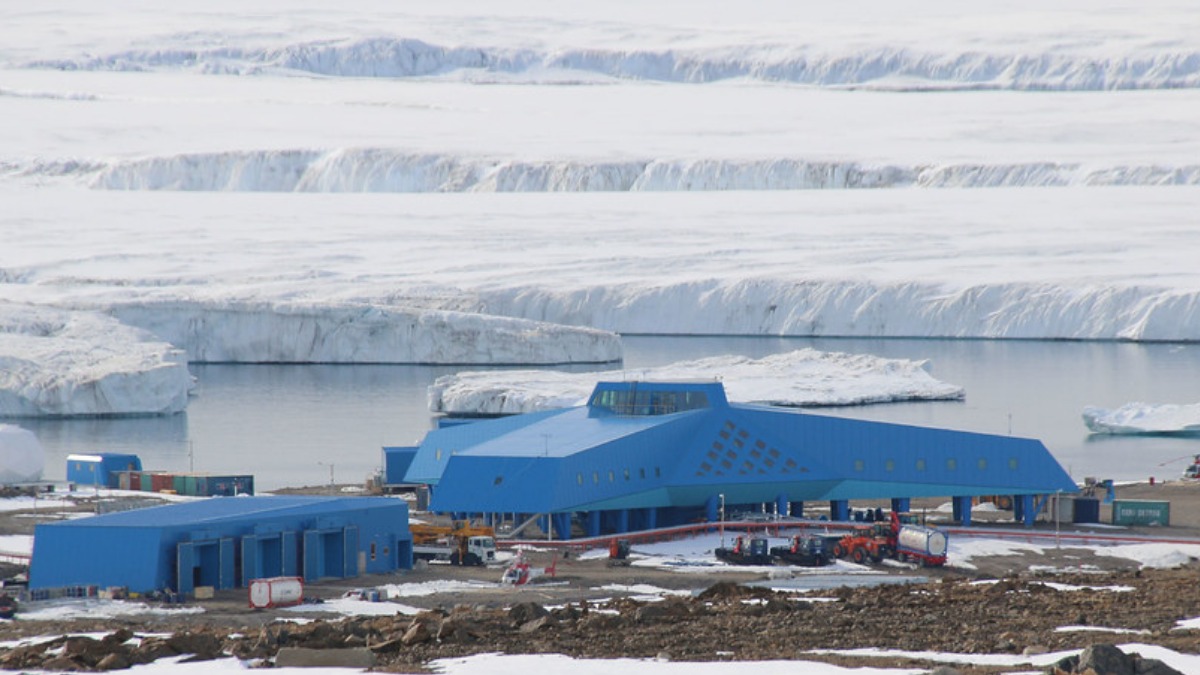

A researcher at the Jang Bogo Science Station in Antarctica was recently removed from the facility after allegedly threatening his colleagues with a weapon. This concerning situation unfolded at the remote South Korean outpost, located on the coast of Terra Nova Bay in Northern Victoria Land.
Per PEOPLE, the unidentified researcher reportedly brandished a weapon toward other team members. According to the Korea Polar Research Institute, which provided a statement regarding the incident, the response was immediate. “At approximately 7:20pm, local time, on April 13, a safety incident occurred at the Jang Bogo Science Station in Antarctica, where an overwintering research member threatened other members with a weapon,” the institute stated.
“Upon recognition of the situation, the station leader and officials immediately separated [the man] from the rest of the team,” the statement added. The man was then kept in isolation from the 17 other people at the base for nearly three weeks. This prolonged period of separation was necessary because the Antarctic winter season had already set in, leading to extreme weather conditions that made immediate transport impossible.
Being trapped somewhere so far, with limited help, is a different level of terrifying
Reports indicate that the man, who is in his 50s, had allegedly fashioned a 30-centimeter blade from a steel sheet found in the station workshop. The Korea Times noted that the individual reportedly had a history of misconduct and friction with his colleagues before this event.
Despite the intensity of the situation, no injuries were reported among the staff. The station, which was built in 2014 as the first South Korean base on the Antarctic mainland, can hold up to 62 people and is designed for year-round operation.
Transporting the researcher from the remote continent was complicated by the harsh environment. International cooperation was required to secure transport once the weather permitted, and the man was finally removed from the base on May 7. He was flown back to South Korea on Monday, May 11, where he is currently subject to a formal police investigation.
In the aftermath of the event, the Korea Polar Research Institute has moved to address the well-being of the remaining team. The institute confirmed that it offered remote video sessions and professional psychological counseling to the staff members who were present during the incident. “KOPRI feels a heavy sense of responsibility for this incident and deeply apologises to the station members, their families, and the public,” the organization stated.
Operating a research station in such a confined and isolated environment presents unique challenges for team dynamics. The history of Antarctic research stations includes instances of interpersonal conflict, and this latest event has prompted a review of how these teams are managed.
The Korea Polar Research Institute has announced plans to tighten its pre-deployment training protocols and improve the screening process for those selected to be part of the winter-over crews. They also intend to enhance the on-site response mechanisms for handling conflicts to ensure that future incidents can be managed effectively without compromising the safety of the research personnel.
While the station is reportedly operating normally now, the incident has raised broader questions about oversight at these isolated outposts. Maintaining professional conduct in such extreme conditions is vital, and the institute is clearly looking for ways to prevent a recurrence. Additionally, once winter sets in, it is incredibly difficult to reach or leave the continent.
By focusing on better psychological support and more rigorous selection criteria, the goal is to foster a safer environment for everyone working in these remote, high-stakes locations, which form one of the most inhospitable environments on the planet. After all, researchers are having a tough time of it right now, especially nuclear scientists who have been going missing or turning up dead, and UFO researcher who might be the targets of hits.






Published: May 15, 2026 01:54 pm