


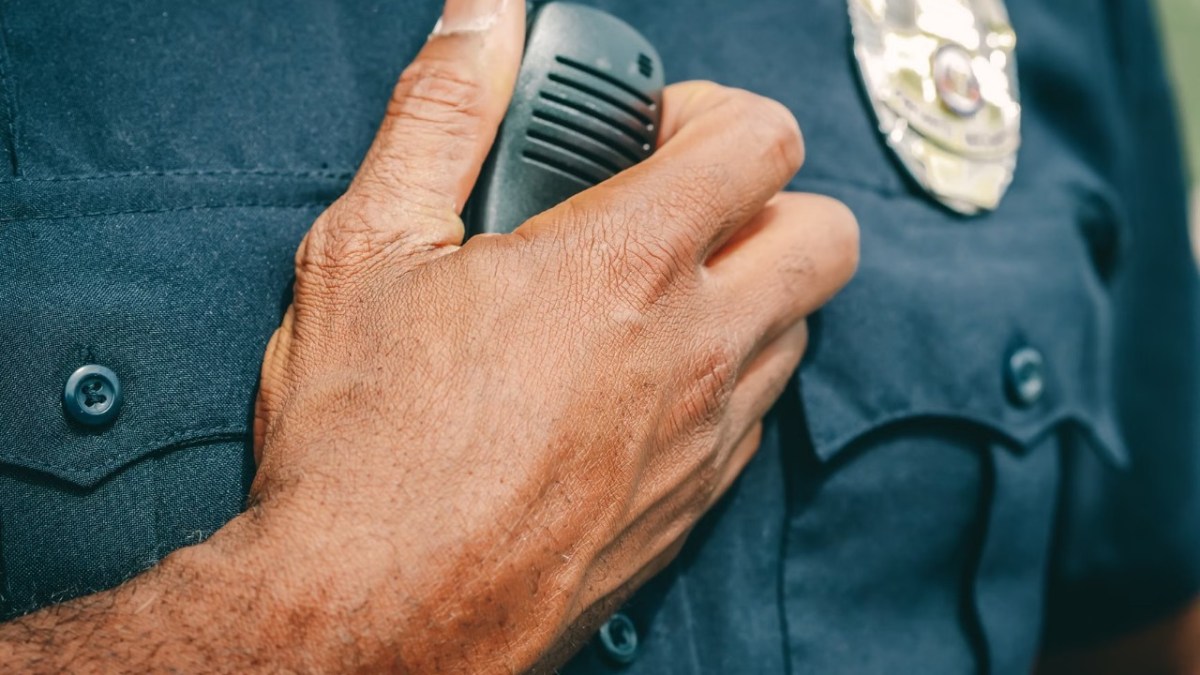

Six officers with the Charlotte-Mecklenburg Police Department (CMPD) are reportedly leaving the force after investigators uncovered a private group chat filled with racial slurs, offensive comments about religion and sex, and what appears to have been a contest over who could arrest the most Black residents.
The messages have raised questions about how officers were treating people on the streets and whether their conduct may have affected criminal cases. According to Reason, three officers have resigned, while three others face termination. The group chat came to light during an investigation that had nothing to do with the messages in the first place.
The racist group chat was found completely incidentally
The North Carolina State Bureau of Investigation was looking into CMPD Officer Seth Elliott, who allegedly used the department’s Flock automatic license plate reader (ALPR) database to help a friend connected to a drug dealer. Elliott reportedly searched for a vehicle that belonged to an undercover law enforcement officer and then shared the information with someone outside the department.
He was later arrested and charged with a Class 1 misdemeanor for illegally accessing a government computer. As part of that case, investigators downloaded data from Elliott’s phone. That’s when they reportedly came across the group chat involving other CMPD officers. The NCSBI passed the information to the department’s internal affairs unit, which began looking into the messages.
What investigators reportedly found was ugly. Officers allegedly used the “n-word” repeatedly while talking about using force against Black residents and firing their weapons. The messages also appeared to show officers competing over how many Black people they could arrest.
One officer reportedly summed up the tone of the conversation in a message that read, “Our texts sound like a clan rally,” according to records reviewed by investigators. The department moved to address the scandal, with an independent board reportedly voting unanimously to recommend the officers’ termination. Three have since resigned, while the remaining three face being fired.
But losing their jobs may be only the beginning of the trouble. The messages could also create problems for prosecutors who have relied on these officers in court.
Under the Supreme Court’s 1972 ruling in Giglio v. United States, prosecutors must disclose information that could cast doubt on a government witness’s credibility. That includes evidence of police misconduct that could matter to a defendant’s case.
For Mecklenburg County District Attorney Spencer Merriweather, that could mean taking a closer look at prosecutions involving the officers. Defense attorneys may argue that the messages raise questions about whether the officers can be trusted, particularly when their cases involve Black defendants.
That doesn’t mean every case handled by the six officers will automatically fall apart. Whether a prosecution is affected will depend on the facts of the case, the officers’ role in it, and whether the messages are relevant to their testimony or conduct. Previous convictions could also face challenges, but they would not be overturned simply because an officer appeared in the group chat.
The fallout is significant
Even so, the potential fallout is significant. If the messages turn out to be as damaging as reported, prosecutors could have to revisit a substantial number of cases, while defendants may get another chance to challenge evidence used against them.
For a department already facing difficult questions about police conduct, the discovery has opened up a much bigger problem: what happens to a criminal case when the credibility of the officers involved comes under serious doubt?








Published: Oct 21, 2026 11:00 am