


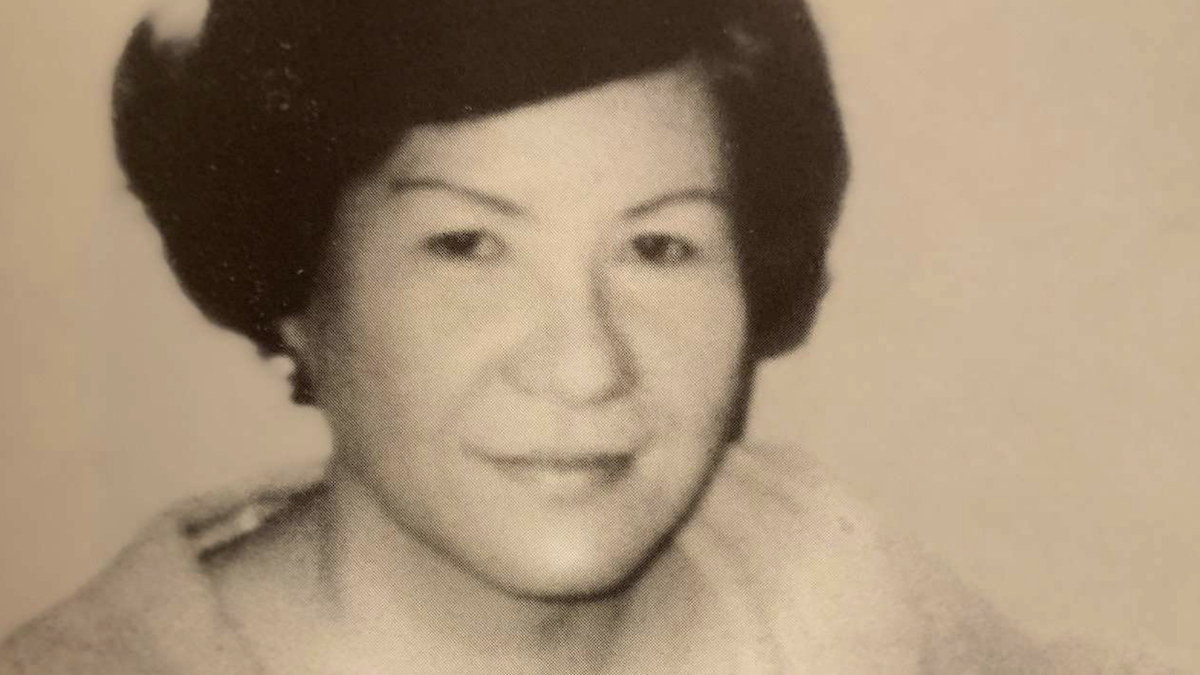

In February 1977, Teresita Basa, a 48-year-old Philippine-born respiratory therapist working at Edgewater Hospital in Chicago, was murdered. And almost immediately after it happened, the case went cold.
Then, six months into a stalled investigation, detectives received a tip: a fellow Filipino co-worker, Remibias “Remy” Chua, suddenly began speaking in the native Tagalog language, a tongue she rarely used, but this time in a voice she claimed was that of Basa’s dead spirit.
Before that, though, police found Basa brutally murdered in her apartment. Her body lay naked, a butcher’s knife buried in her chest, and her killer had set fire to her mattress and clothing to conceal the crime.
The scene offered few other clues: no obvious sexual assault, no clear motive, and a note scrawled in her journal reading simply: “Get tickets for A.S.”
But after Chua’s visitation occurred, her husband, surgeon Jose C. Chua Jr., told police that his wife went into a trance and said, “Doctor, I would like to ask for your help. The man who murdered me is still at large.” When he asked her name, she answered: “Ako’y [I am] Teresita Basa,” as the Washington Post reported.
Who was “A.S.?”
In that trance state, Chua gave further details: another co-worker named Allan Showery (matching the “A.S.” note) killed Basa. She said he visited Teresita’s apartment under the guise of repairing a TV, stabbed her, stole her jewellery, and set the fire.
Intrigued by the tip, detectives dug into Showery’s background. They discovered that he did work at Edgewater Hospital’s respiratory department. They located jewellery matching Basa’s in his girlfriend’s possession. Under questioning, he initially confessed, then changed his plea, then ultimately pleaded guilty in February 1979. After his first trial was deadlocked, his subsequent guilty plea avoided a retrial. The court sentenced him to 14 years for murder, robbery, and arson.
While many law-enforcement figures expressed skepticism about a “voice from the grave” prompting an arrest, the supernatural claim triggered an investigation that uncovered tangible evidence leading to Showery’s conviction.
The Basa case remains controversial. Some suggest that Chua might have, consciously or unconsciously, pieced together clues from the workplace and supplied them in symbolic trance form. All three worked at the same hospital. Could Chua have cloaked some kind of insider knowledge she had in the pretense of a supernatural visitation to help bring her coworker’s killer to justice?
Today, the peculiar nature of the tip has granted the case enduring interest with paranormal and true-crime audiences alike. As the Washington Post observed in 1978: “Whether they believed the voices or not, they had to check it out.”





Published: Nov 5, 2025 08:07 am