


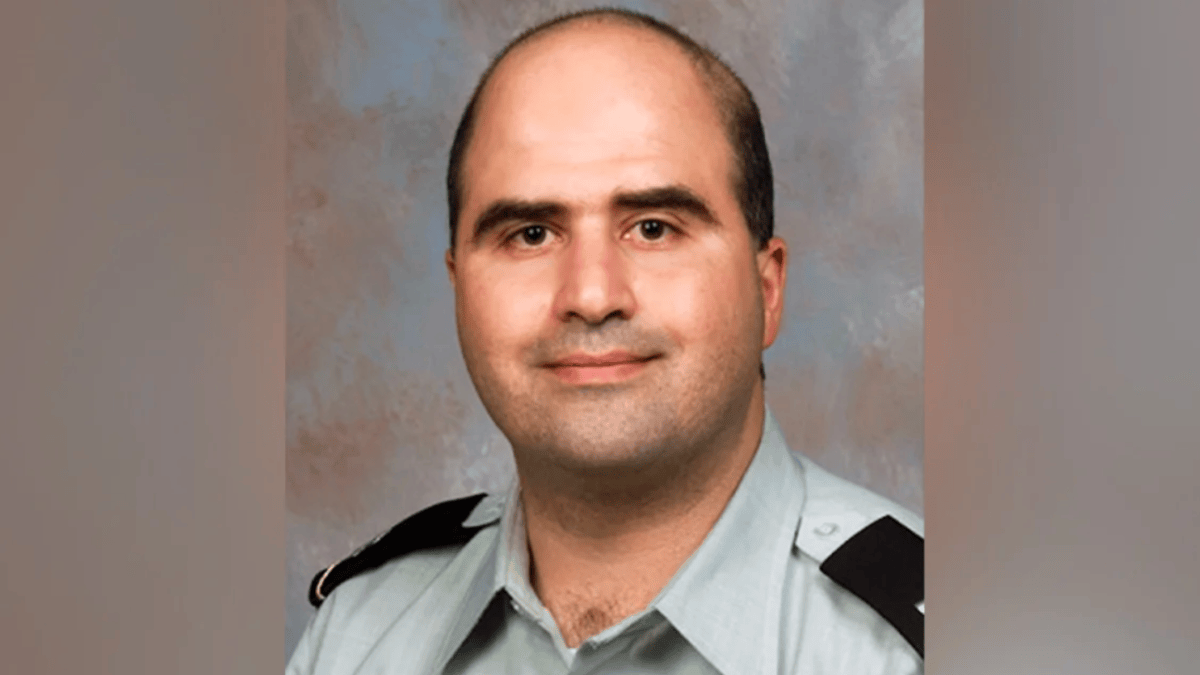

A controversial plan to livestream the execution of Nidal Hasan has sparked a national debate over the morality of turning capital punishment into a public spectacle.
Scheduled for Dec. 3, 2026, Hasan is set to be executed by firing squad at Fort Hood, Texas. The former Army psychiatrist was convicted of carrying out a mass shooting at the military post in 2009, killing 13 people and wounding 32 others.
While the execution would bring an end to a dark chapter in military history, the Pentagon’s plan to livestream the event has drawn criticism from survivors, politicians, and religious leaders. President Donald Trump has since said he will make the final decision on whether the broadcast goes ahead.
A suvivor says the United States should hold itself to a higher standard
According to Fox News, among those speaking out is Alonzo Lunsford, a former Army staff sergeant who survived being shot seven times during the 2009 attack. Lunsford supports the death penalty for Hasan and plans to attend the execution in person. However, he strongly opposes the idea of turning it into a public broadcast.
He has argued that an execution should not become entertainment, pointing to the reality of bloodshed and death rather than the spectacle some viewers might make of it. Lunsford also warned against people gathering for viewing parties, saying the United States should hold itself to a higher standard.
The proposed livestream has divided officials. Defense Secretary Pete Hegseth has defended making the execution public, arguing that people should understand the consequences of serious crimes. Vice President JD Vance, meanwhile, has expressed doubts about the broadcast and said he has no intention of watching it.
Other Republicans have also criticized the proposal. Representative Austin Scott compared it to tactics used by jihadist groups, while Senator Thom Tillis called the idea “beyond disgusting.” The US Conference of Catholic Bishops has also condemned the plan, raising concerns about the message it sends about the value of human life.
Lunsford has spoken about forgiving Hasan as part of his own healing process, but that does not mean he supports making the execution available for public viewing. He has warned that people should not treat the death of another human being as an occasion for a social gathering or entertainment. He also questioned what a public broadcast would say about the country, comparing the idea to public stonings and beheadings associated with authoritarian states.
The proposed execution would mark the first US military execution by firing squad since 1945
Beyond the moral debate, intelligence officials have raised concerns about the potential security consequences of broadcasting the execution. Hasan, who was left paralyzed after being shot by responding officers during the 2009 attack, has previously framed his actions in religious terms.
Matthew Levitt, a former Treasury counterterrorism official and director at the Washington Institute, has warned that footage of the execution could be used by foreign terrorist groups for propaganda and recruitment. With the execution date approaching, the debate is no longer just about Hasan’s punishment. It has also become a question of what the United States wants the public to see, and what message such a broadcast could send beyond its borders.






Published: Oct 15, 2026 06:30 pm