


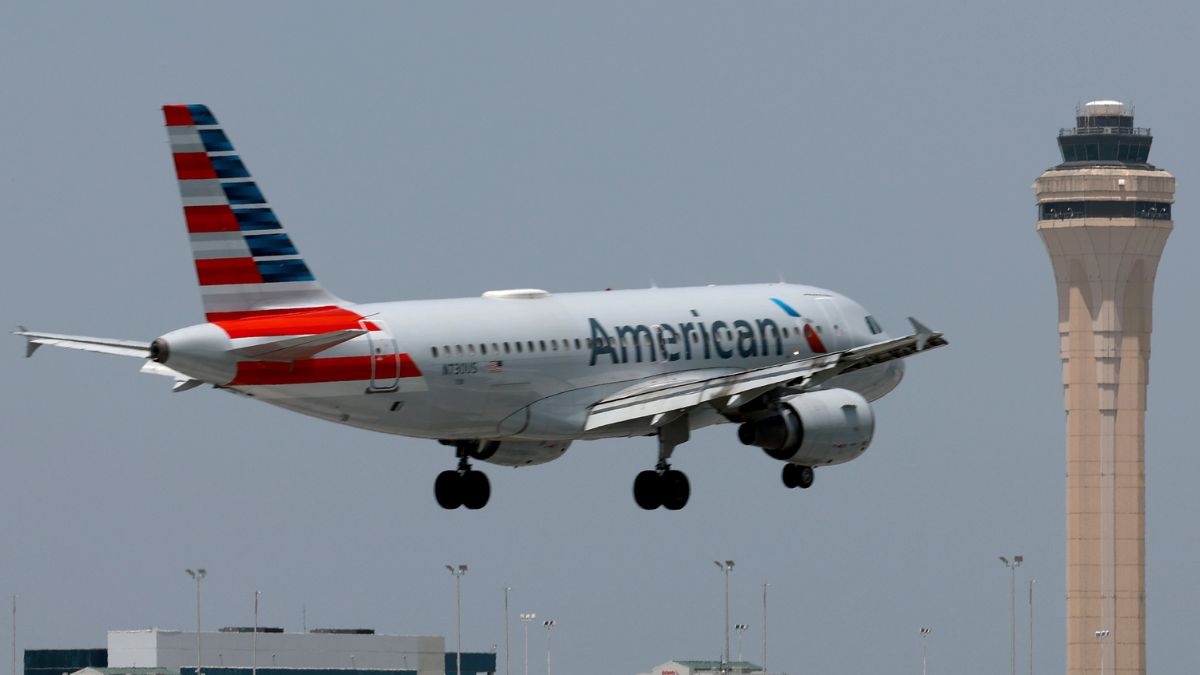

There have been more details revealed about the Washington D.C. collision between an American Airlines flight and a U.S. Army Black Hawk during final approach to Ronald Reagan Washington National Airport — a crash that killed 67 people. Transcripts from the Black Hawk have brought us closer to answers than we were before.
When horrific details of the crash first emerged, a transcript capturing the confusion it caused in air traffic control was read by people across the nation, and concerns about the state of the aviation industry grew even more pronounced. There were already growing concerns about manufacturers like Boeing bringing to market airplanes that have been involved in multiple crashes in a relatively short time, and a further crisis in the understaffing of air traffic control departments across the nation’s airports. But it turns out the issue here might have been something else entirely.
People reports that the National Transportation Safety Board released a report with transcripts and the flight path of the two aircrafts that ended in the fatal collision. Reportedly, the American Airlines flight reached out to air traffic control and was asked to switch runways about 5 minutes before their estimated landing. They agreed with air traffic control.
The helicopter, on the other hand, was flying as a form of training for Army personnel, and they were at the evaluation stage for Captain Rebecca Lobach, who was heading back to Fort Belvoir, VA. The helicopter had a crew of 3, with Andrew Eaves acting as the instructor for the flight.
The Black Hawk was supposed to maintain an altitude of 200 feet but instead flew well above that. The reason for that is unclear, but transcripts reveal that the helicopter crew believed they were much lower than they actually were — which suggests that their altimeter (the instrument that reads the altitude of the aircraft) might have been unreliable.
As is often the case, air traffic control was dealing with heavy traffic. Eaves even took notice and mentioned to them that they were “stacked up tonight.” Two and a half minutes before the crash, Eaves asked Lobach, “come down for me.” Eaves and Lobach were then warned twice about the approaching American Airlines flight. Both times, the helicopter requested “visual separation,” but just a few seconds later, the two aircraft collided.
It was reported that the helicopter was 270 feet in the air — higher than the maximum altitude it was supposed to be at. The NTSB hearing is still ongoing, and there will be more answers as they continue to release their report. But as of this moment, that’s all that is in the ether about the matter. Piloting is a very sensitive and complex field that we sometimes have the privilege of taking for granted, and that’s due to all the professional and expert people in the field.
As of right now, however, this collision seems to have been caused by an unfortunate instance of human error. As more information trickles in, that finding might change.








Published: Jul 31, 2025 12:38 pm