


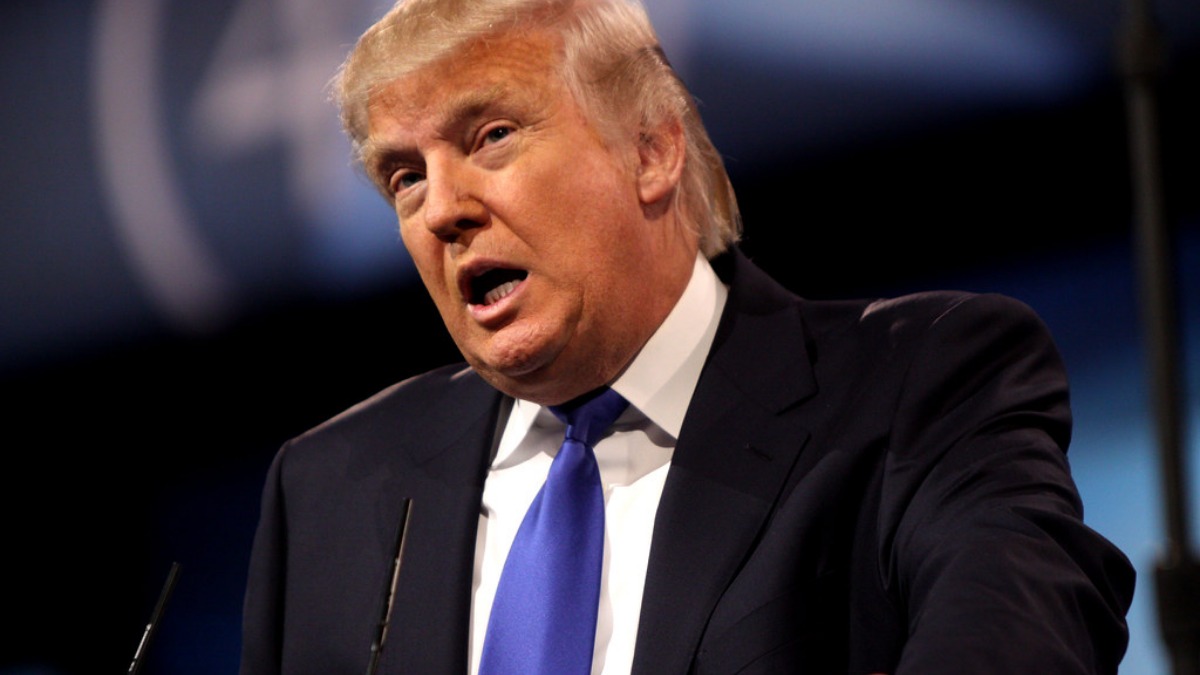

Former U.S. Congressman Adam Kinzinger strongly criticized President Donald Trump after the latter posted on Truth Social, threatening to wipe out Iran as a civilization. Kinzinger wrote on X, “Meanwhile, as Trump threatens a civilizations extinction…. Congress is on vacation. Enjoy it…”
Despite his strong words, Trump did not follow through on the most extreme version of his threat, and instead agreed to a two-week ceasefire deal with Iran. Kinzinger, a Republican who has become one of Trump’s sharpest critics, also told CNN’s State of the Union earlier that Trump’s “biggest mistake” was “just not preparing the American people for it.”
According to The Hill, Kinzinger, a former Air Force and Air National Guard officer, also suggested Trump might be “panicking” due to falling financial markets and a majority of Americans disapproving of the war. He said Trump declared victory too soon, and called for more honesty: “I just think he needs to level with people and say what the truth is. ‘Hey, we may be done tomorrow. This may go on for a few more weeks. The Strait of Hormuz is going to matter.'”
The human cost of the Iran conflict is growing, and Congress is failing to check presidential power
This conflict, which has now passed the three-week mark, has already caused serious casualties. Seven U.S. service members have died from Iranian retaliation, and six more died when a refueling aircraft crashed in Iraq, though U.S. Central Command ruled out enemy or friendly fire as the cause. Iran has been pushing a very different version of the rescue operation’s true story, and social media has helped that narrative spread quickly.
Al Jazeera reports that, as of April 7, 2076 people have died in Iran since the hostilities began on February 28. Trump previously told Fox News host Brian Kilmeade that the military operation would end “when I feel it in my bones,” and just two days after strikes began, he projected it would take “four to five weeks.”
Before this conflict, Trump had authorized strikes on three Iranian nuclear facilities last June. At his State of the Union address on February 24, he stated, “We wiped it out and they want to start it all over again and are at this moment again pursuing their sinister ambitions.”
He also said, “My preference is to solve this problem through diplomacy. But one thing is certain, I will never allow the world’s No. 1 sponsor of terror, which they are by far, to have a nuclear weapon.” Just two days after that speech, U.S. mediators Steve Witkoff and Jared Kushner held indirect talks with Iranian officials in Geneva, mediated by Omani Foreign Minister Badr bin Hamad Al Busaidi.
After Trump said he was “not thrilled” with the outcome, the U.S. and Israel launched strikes on Iran less than 24 hours later. Back in Washington, the Senate failed to pass a war powers resolution to limit Trump’s military actions, with the vote failing 47 to 53, largely along party lines.
Supporters of the resolution argued Trump exceeded his constitutional authority. Under Article II of the Constitution, presidents can only launch attacks in self-defense against an immediate threat, otherwise, only Congress can declare war. Senator Tim Kaine argued that “even in a classified setting,” the Trump administration “could produce no evidence, none that the US was under an imminent threat of attack from Iran.”
Republicans largely backed Trump, with Senator James Risch asserting the Constitution “clearly gives the president not only the right, but indeed the duty, as does his oath to protect the United States.” Under the 1973 War Powers Act, presidents must seek congressional approval after committing troops to military action for more than 60 days.
Even if the Senate resolution had passed, Trump could have vetoed it, and only a two-thirds majority in both chambers can override a presidential veto. The war has also stirred frustration among some who voted for Trump, with one despondent Trump voter publicly pleading for forgiveness and concluding that voting was a mistake.
Hassan El-Tayyab of the Friends Committee on National Legislation said, “Congress must continually reassert its constitutional role to check executive power and prevent endless wars.” Senior policy adviser Cavan Kharrazian added, “The American people will remember who voted to continue an illegal, unnecessary war.
Every senator who voted against the war powers resolution also voted against the wishes of the American people and against the safety of the servicemembers they are sworn to protect.”






Published: Apr 8, 2026 07:08 am