


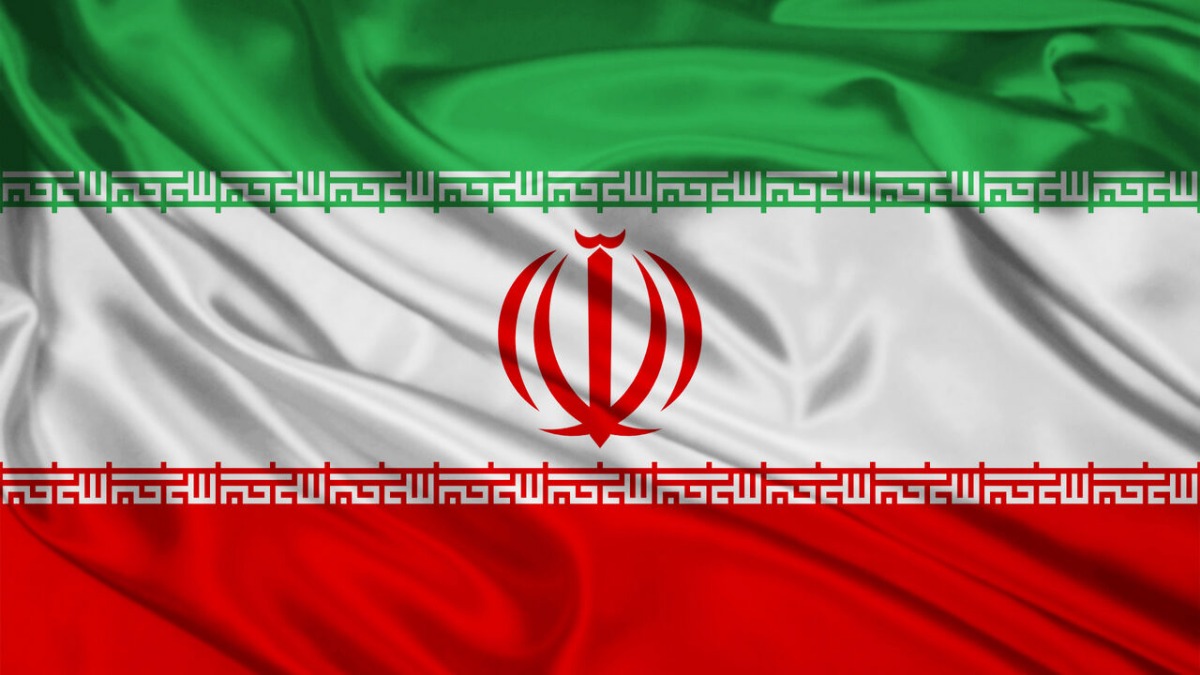

Iran‘s parliamentary speaker, Mohammad Bagher Ghalibaf, has accused the U.S. of breaking the recent two-week ceasefire agreement on three separate fronts. This comes shortly after President Donald Trump accepted Iran’s 10-point proposal as a basis for negotiations.
Ghalibaf said on X that the “deep historical distrust we hold toward the United States stems from its repeated violations of all forms of commitments, a pattern that has regrettably been repeated once again.” He pointed to three specific issues: Israel’s continued attacks on Lebanon, a drone entering Iranian airspace, and the denial of Iran’s right to enrich uranium.
According to CNBC, the U.S. rejected these claims. Vice President JD Vance, speaking while traveling in Hungary, acknowledged that “ceasefires are always messy,” particularly on the drone issue. He was firm that Iran “cannot enrich uranium” and dismissed the idea that Lebanon was ever part of the ceasefire, saying that if Iran lets negotiations fall apart over Lebanon, “that’s ultimately their choice.”
The Strait of Hormuz dispute and Netanyahu’s military threats are making the ceasefire fragile from multiple sides
Another major point of disagreement involves the Strait of Hormuz. President Trump said the ceasefire depended on the strait being opened “completely, immediately and safely” and “without limitation, including tolls,” according to White House press secretary Karoline Leavitt. However, Iran reportedly plans to demand that ships pay tolls to pass through the strait.
Before the U.S. and Israel attacked Iran on February 28, about 20% of global oil supplies passed through the strait. Tanker traffic has dropped sharply during the conflict due to Iranian attacks, causing what analysts are calling the largest crude oil supply disruption in history.
Analysts have also pointed out that Netanyahu’s broader goals include securing oil and gas routes through Israel, which adds another layer to his position on the strait. Iran’s state news agency Fars also reported that oil tanker traffic through the strait has been halted as Israel continues its attacks on Lebanon.
Israeli Prime Minister Benjamin Netanyahu added more tension with a televised address, declaring that Israel still has significant goals to achieve despite the ceasefire. According to Mediaite, he said the campaign is “not coming to an end” and warned, “We still have some goals to accomplish and we will achieve these goals either through agreement and consensus, or through renewal of the war because we are ready to do so whenever necessary.”
Netanyahu added, “Our finger is on the trigger.” He also pushed back against suggestions that Israel was caught off guard by the ceasefire deal, saying it was made in “coordination” with Israel and that it “did not surprise us at the last moment.” He described Iran as entering negotiations “while beaten and weaker than ever,” having supposedly dropped preliminary conditions such as a final end to the war, removal of sanctions, and a ceasefire in Lebanon.
Netanyahu has been actively making public appearances to counter doubts about his leadership amid the ongoing conflict. The ceasefire itself came together under pressure. President Trump had warned that Iranian “civilization” would be wiped out by 8:00 PM ET if U.S. demands were not met. Just hours before that deadline, he announced a two-week extension to negotiations.
But with Iran accusing the U.S. of violations, Vance dismissing those claims, and Netanyahu asserting Israel’s continued military objectives, the two-week window is already off to a troubled start. Israel’s strikes on Hezbollah in Lebanon on Wednesday, which reportedly killed over 100 people and wounded hundreds more in Beirut, are adding further strain, especially as Israel has remained under fire from Iran and Hezbollah since the ceasefire began.









Published: Apr 9, 2026 10:58 am