


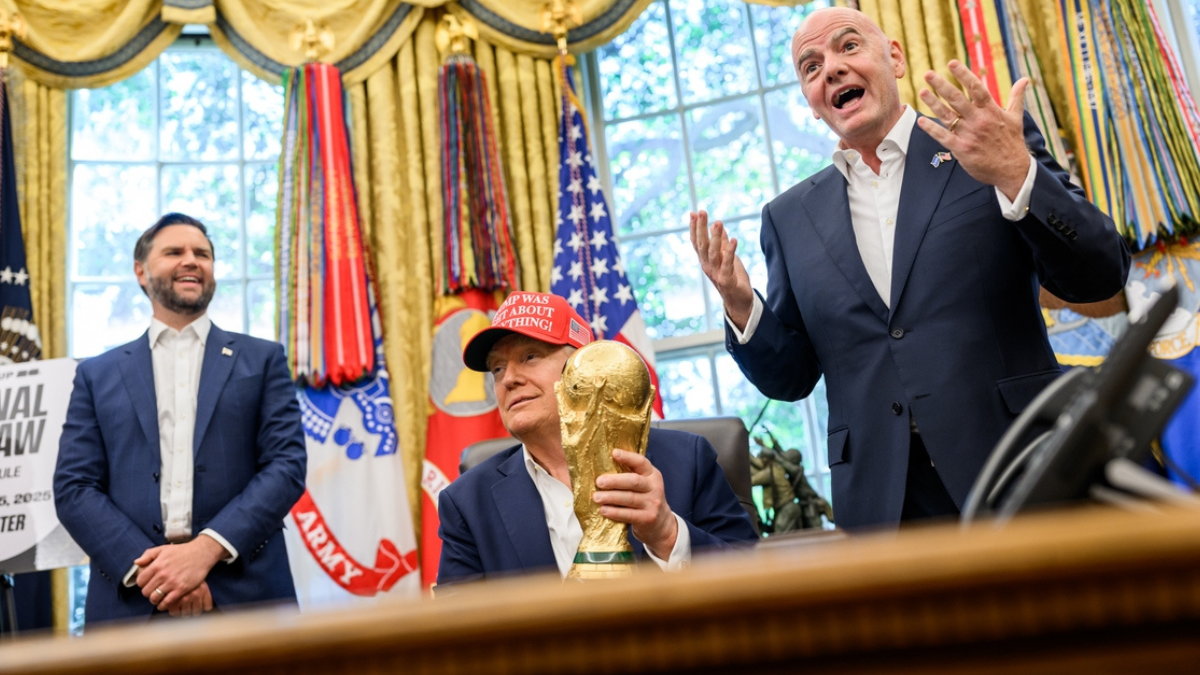

The 2026 FIFA World Cup has finally officially started. That being said, the long-awaited sports competition has already been overshadowed by off-the-field debates about how the hosts — primarily the US — are treating guests and fans during the tournament. The latest announcement to spark debate involves US immigration authorities warning content creators that if they shoot content while in the country, they need the proper visa or risk deportation.
The controversy stems from foreign content creators reportedly entering the US on B-2 tourist visas to enjoy the World Cup. The visa is intended strictly for leisure activities and visiting family, and holders are prohibited from earning income while on it. However, according to KWTX, dozens of creators have been documenting everything from the visa process to their travels across various US cities while also taking on hosting and influencer duties.
The report says the U.S. Customs and Border Protection and the Department of Homeland Security concluded that some influencers are entering the US “with the sole purpose of creating content (as an influencer), thereby generating earnings.” Authorities instead suggested that creators apply for the O-1 visa, which is reserved for individuals with “extraordinary abilities” and would legally allow them to earn income during their stay.
Once the news spread online, international soccer fans reacted furiously. One user wrote, “Next up: Fans need a cheering permit and must submit their chants for approval 30 days in advance. Wild.” Another wrote in part, “I wonder why the hell they requested to host it when they know they’ll put these stringent restrictions in place?” Others suggested creators could simply record their content in the US and wait until they leave the country to post it.
Next up: Fans need a cheering permit and must submit their chants for approval 30 days in advance. Wild. 🤦🏽
— OGECHI 💞 (@missy_ada2) June 11, 2026
The tournament hasn’t even started and it’s billed to be the worst we have watched in recent times.
— Abiodun (@bin_gbada) June 11, 2026
I wonder why the hell they requested to host it when they know they’ll put these stringent restrictions in place?
Well, influencers should record and not post. When they return to ther countries, they should post. 😂😂😂
— That Notorious Fellow (@Officialle_ACE) June 11, 2026
These people are trying to stiffle the fun of the games
The complexities surrounding foreign influencers and content creation are not the first clash between the current administration’s immigration policies and what global soccer fans are accustomed to during major tournaments.
Russia, which hosted the 2018 FIFA World Cup, also had notoriously strict visa policies. During that tournament, however, FIFA successfully pushed for the use of a “Fan ID” system that effectively acted as a visa waiver. Fans approved for a Fan ID were allowed entry into Russia for the duration of the tournament.
Some supporters hoped the US would introduce a similar program, especially given Donald Trump’s increasingly friendly relationship with FIFA. However, the administration has simultaneously pursued a broader crackdown on immigration that it argues has become too lax. Over time, it became clear that immigration enforcement would take priority over perceptions of the US as a welcoming host nation.
That’s not to say other World Cups have been free from controversy. The tournament has long had a way of magnifying whatever tensions already exist within a host country. In Brazil, many residents argued that the money spent on hosting should have gone toward public development projects instead. In Russia and Qatar, critics worried that the tournaments were being used to improve the international image of their governments.
Still, despite the politics and controversies that often surround it, the World Cup usually manages to keep the focus on the sport itself and the fans who love it. Whether that will remain true this time around, only time will tell.

Published: Jun 12, 2026 05:35 pm