



A TikTok creator is calling for a boycott of Olive Garden after a recent controversy involving an employee who was reportedly denied immediate access to a $700 tip while management reviewed the transaction. The situation has since grown beyond that single incident, with the creator alleging that the chain has long had questionable workplace practices.
The original story dates back to May 31. Olive Garden server Brook Sykes went viral after a customer dining at the Fayetteville, Georgia, location where she worked reportedly left her a $700 tip on a roughly $30 bill. According to Complex, restaurant management flagged the transaction because company policy requires additional review for tips exceeding $500.
Managers allegedly instructed Sykes to temporarily write “$0” on the tip line while they investigated the unusually large gratuity. According to Sykes, she became emotional and repeatedly asked when she would receive the money. She claims managers then told her to either compose herself or leave the restaurant. The following day, June 1, she was fired.
The boycott call came from a former employee
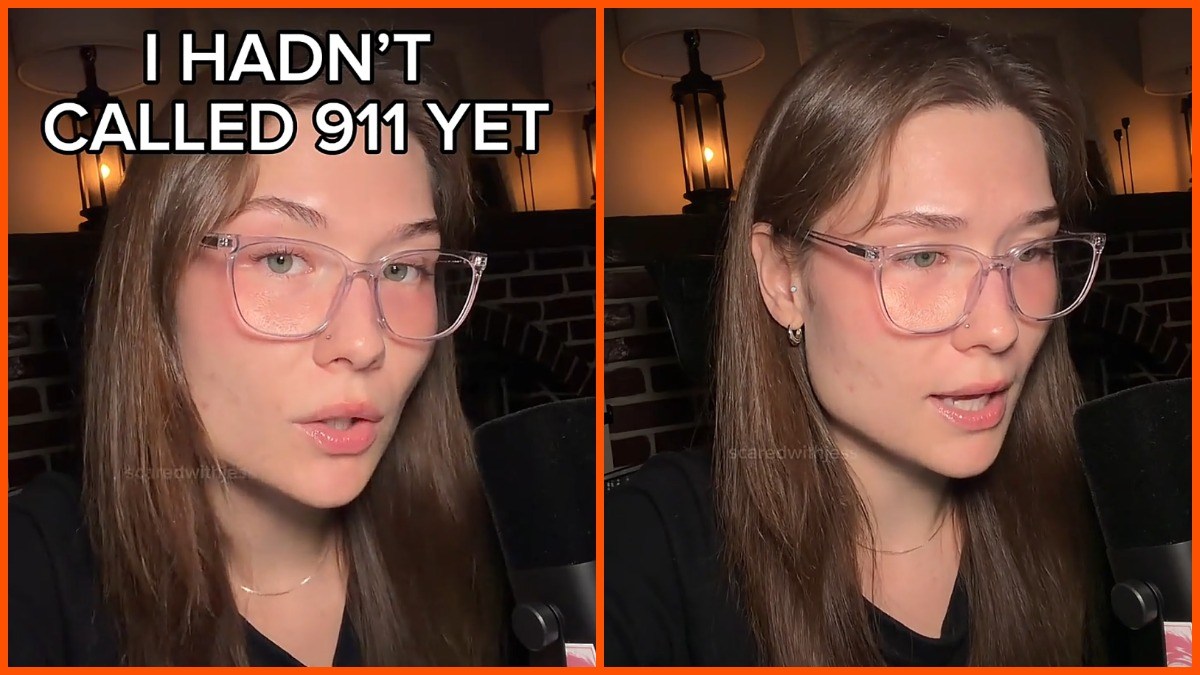
TikTok creator @hangingwithkellyo later condemned the company’s actions and urged viewers to boycott Olive Garden. She said she had worked for the company for over a year and had “never heard of this” rule of a tip being withheld simply because of its size.
She then broadened her criticism beyond Sykes’ case, alleging the company has long engaged in poor labor practices.
In the video, she claimed, “You hire illegal immigrants to work in the kitchen. And you work them to death. You work people. You don’t have them clock in and clock in under a different number so they can work more hours. So they also don’t get overtime.”
Those allegations have not been substantiated.
One commenter argued, “Olive Garden responded. The tip was declined by the bank.”
That, however, is only part of the story.
Olive Garden did respond publicly to Sykes’ claims that she was fired in retaliation. The company said tips exceeding $500 are routinely reviewed as a fraud-prevention measure. It also maintained that Sykes was terminated because of her conduct during the incident, not because of the tip itself. The company added that the $700 gratuity was ultimately declined by the customer’s bank due to insufficient funds.
The customer later disputed parts of that explanation. According to him, he expected to see two separate charges on his card—a roughly $32 restaurant charge followed by the $700 tip. Instead, he initially noticed what appeared to be only a much smaller gratuity. Later, when another charge for approximately $699 appeared, he believed something was wrong and froze his card.
Greater clarity would benefit everyone
The dispute remains unresolved, with each party offering a different account of what happened.
Given how contentious tipping has become in the United States, it’s unlikely the debate will fade anytime soon. Some people question the purpose of a tipping system if exceptionally large gratuities can be delayed or reviewed, while others understand why a restaurant would want safeguards against potential fraud.
Ultimately, greater clarity about how large tips are processed would likely benefit both employees and customers alike.


Published: Jul 15, 2026 12:56 pm