


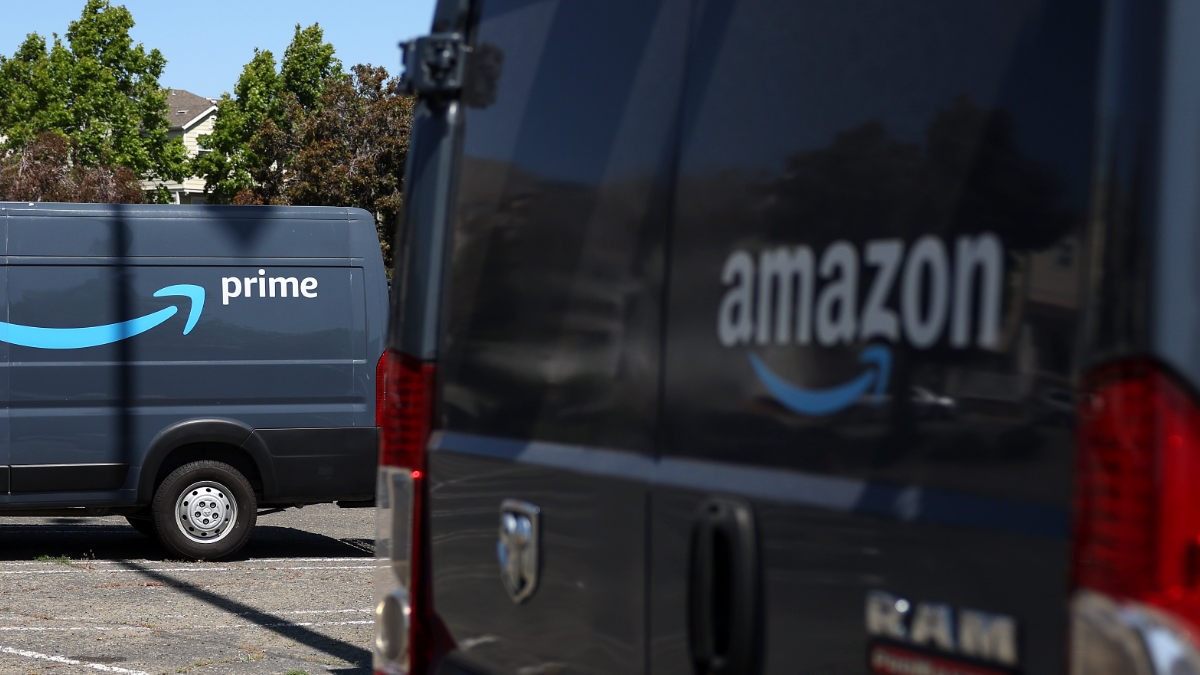

Amazon sometimes issues refunds without requiring you to send the item back. This “returnless refund” policy is a real thing, and it often feels like a magic trick when it happens. It’s Amazon’s way of making the return process easier for certain items, saving both you and the company a lot of hassle.
I’ve personally found myself in situations where trying to return a low-cost item felt like more effort than it was worth. Imagine spending nearly half an hour at a UPS Store trying to return a $9 kitchen mat, only for the system to glitch. That kind of experience really highlights how complicated traditional returns can be, which makes those moments when Amazon says “just keep it” feel pretty amazing.
Amazon itself calls this a “returnless refund,” and it’s when you get your money back while holding onto the product. Most shoppers don’t realize that Amazon isn’t doing this out of pure generosity.
Why and how do I get a ‘returnless refund’ on Amazon?
The company uses this policy because returning certain items can actually cost more than the item’s value. Shipping bulky or damaged goods (which can be a problem when they are delivered anyway) back to a warehouse, processing them, and then potentially disposing of them often isn’t economical. So that is the tipper for when you will be told not to return something.
This is especially true for things like low-cost household goods, damaged items, groceries, perishable goods, inexpensive electronics accessories, and bulky home items that don’t have much value. You can’t really “trick” the system into giving you a returnless refund; specific orders simply qualify based on Amazon’s internal, algorithmic rules.
The process for a returnless refund is fairly straightforward from a customer’s perspective. You start by opening your order history in the Amazon app and selecting “Return or replace items.” After you choose your reason for the return, Amazon’s system evaluates several factors.
It looks at the item’s price, category, estimated shipping cost, whether it’s an Amazon-shipped item or from a third-party seller, and even your own refund pattern history. If your item qualifies, Amazon shows a message like “Refund issued. No need to return the item.” The refund usually hits your account within some time, and you get to keep the product. I’ve had this happen with a cracked kitchen organizer and even a spilled bottle of shampoo.
Based on my own experiences and those of friends, Amazon is most likely to offer a returnless refund for items under about $20. It’s also common for items that would be more expensive to ship back, damaged by the driver, or defective products, items that are likely to be thrown away, and certain grocery, pantry, or beauty goods.
It’s important to remember that third-party sellers rarely offer these no-return refunds; this is almost always a decision made by Amazon itself for items it shipped directly. While returnless refunds are convenient, the standard Amazon return process can still be a bit of a headache. Sometimes you’ll encounter return fees, especially if you choose certain drop-off locations over Amazon Drop-Off or Kohl’s.
As a customer, you can’t manually request a returnless refund; Amazon’s system makes the decision. However, you can increase the chances by filing the refund quickly after delivery, honestly describing the issue, uploading photos when relevant, and selecting accurate return reasons.
Amazon’s system focuses on logistics, not persuasion. The company does track return behavior, so it’s important not to abuse the system. Don’t try to get a returnless refund on every order, don’t fake damage, and if Amazon tells you to return an item, you need to return it or cancel the request to avoid being charged. It’s best to view returnless refunds as an occasional perk, not a loophole to exploit.









Published: Feb 21, 2026 10:30 am