


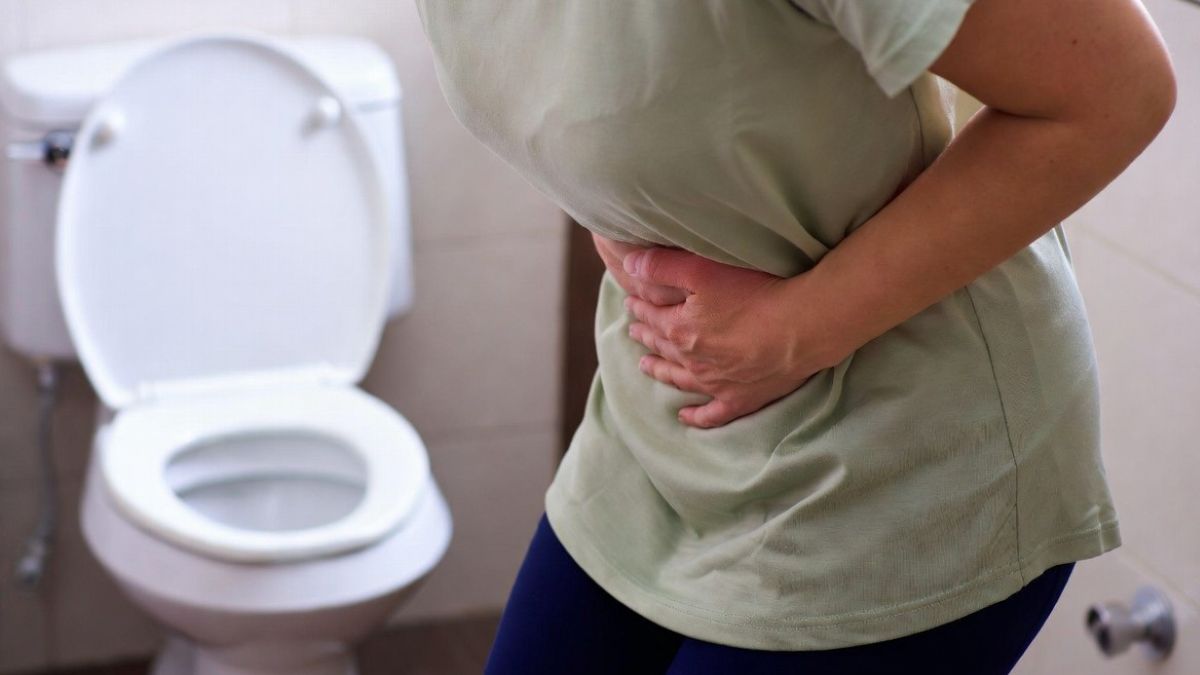

Michigan and several other states have been struggling with an outbreak of explosive diarrhea, which has been linked to contamination of food and water by human feces.
The culprit is the parasitic infection cyclosporiasis. This illness isn’t uncommon, and ABC reported that in an average year, Michigan reports around 50 cases. This year? As per the latest data from Michigan Advance, 2,640 cases have been recorded.
Michigan health authorities have been attempting to track down the cause, with their search complicated by the fact that the illness takes some time to display symptoms after infection. Infectious disease physician, epidemiologist, and the chief medical executive for the state of Michigan, Dr. Natasha Bagdasarian, said:
“There is a significant lag time between exposure to contaminated produce or contaminated materials and development of symptoms. So it can take a week, sometimes even two weeks between exposure and development of symptoms.”
Narrowing down the search
Now the Michigan Department of Health and Human Services has confirmed they’ve identified a “potential source” and given advice to consumers on what products to avoid:
“While the investigation is ongoing, current results point to lettuce or salad greens as a potential source for this outbreak, although other food items cannot be completely ruled out. No specific type of produce, grower or supplier has been identified as the source.”
Bagdasarian added:
“Although we do not have a definite product identified as the source of the outbreak, we want to let Michiganders know what we have learned so far so they can take steps to protect their families. Early information has shown lettuce as a common product that regularly comes up during the investigation. We will continue to provide updates as we learn more.”
They also advise anyone consuming lettuce to purchase whole heads rather than bagged lettuce, to discard the outer leaves, and to thoroughly wash the inner leaves. They also say to be sure to cook any greens to “at least” 158 F (70 C), “as the parasite is resistant to routine chemical disinfection and washing alone cannot guarantee its removal.”
They also advise that people be cautious around the following products: bagged salad mixes, fresh cilantro, fresh basil, raspberries, snow peas, and green onions/scallions.
If you do suspect you’re infected, they say:
“People experiencing frequent, watery diarrhea are encouraged to contact their health care provider and specifically request testing for cyclospora as routine stool tests may miss the parasite. Cyclosporiasis is treated with antibiotics along with rest and drinking plenty of fluids to maintain hydration.”
This outbreak has also caused a political controversy, with the Trump administration and the Department of Health accused of cutting key funding that tracks cyclosporiasis. HHS senior press secretary Emily Hilliard responded: “To be clear, cyclospora tracking never stopped. CDC is actively working with 3,000 health departments to gather data.”
So, how is human feces ending up in food on store shelves? The Cleveland Clinic and the CDC report that the most common culprit is human sewage contaminating water sources, which are then used to irrigate fields. It’s also possible that it can be spread by poor sanitation by agricultural workers, intentionally using human feces as fertilizer, run-off from septic systems into fields, and contamination at the packaging plant.









Published: Jul 14, 2026 04:09 am