


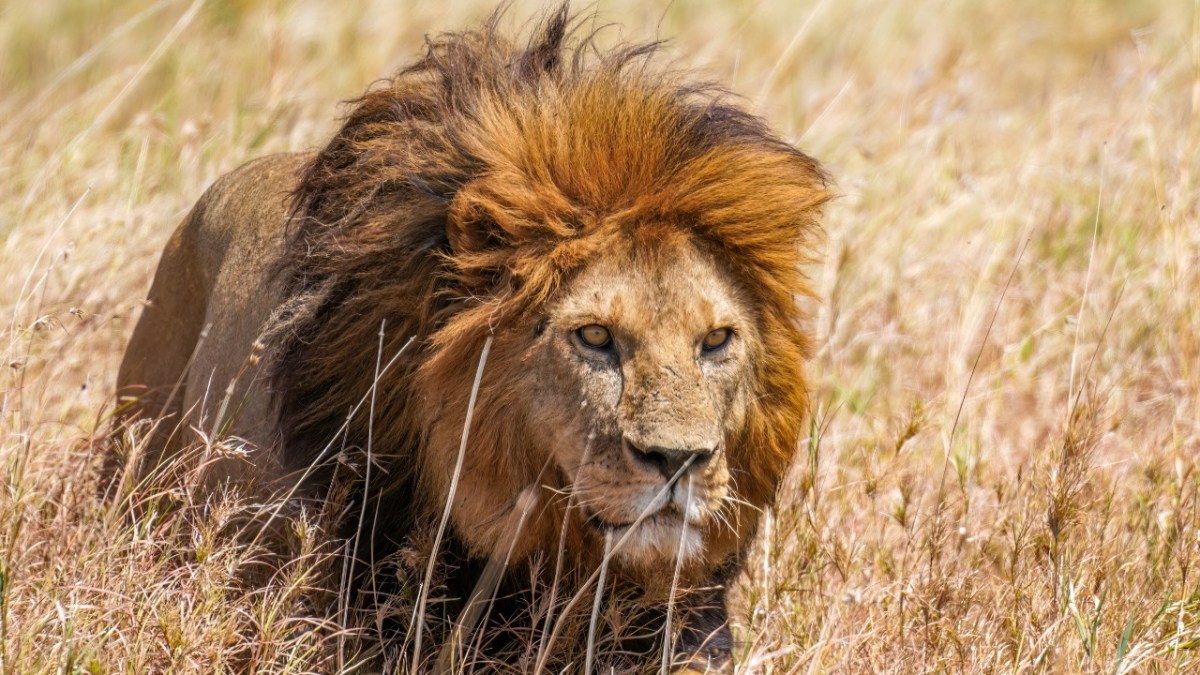

Authorities are currently investigating the deaths of 10 lions found in the Ndutu area of the Ngorongoro Conservation Area in northern Tanzania. This discovery has raised significant alarms among conservationists and local officials alike. According to the Associated Press, CBS News, and Sky News, the Ngorongoro Conservation Area Authority has stated, “Preliminary findings suggest the animals may have died after ingesting poison.”
Per CBS, the Ngorongoro Conservation Area Authority released a statement admitting the extent of the situation, saying, “The Ngorongoro Conservation Area Authority (NCAA) regrets to inform the public that ten (10) lions were found dead on September 18, 2026 in the Ndutu area.” They further noted that an expert investigation is currently ongoing to determine the cause of the incident and identify those responsible.
The Ngorongoro Conservation Area is a protected UNESCO World Heritage site, so it is startling to see this number of deaths in a vulnerable species. Per the outlet, the Conservation Area is renowned for its incredible biodiversity. It houses approximately 25,000 large animals, including what is considered the densest known population of lions in the region. Unfortunately, their suspicious deaths are a stark reminder of the ongoing challenges facing wildlife conservation in East Africa.
Wildlife vs Economic interests
This incident doesn’t happen in a vacuum. CBS reported that the Ngorongoro region faces two massive problems when it comes to animal conservation. On the one hand, it is embroiled in long-standing tensions between the authorities and the local nomadic community. Since the government launched an eviction program in 2022, clashes have sometimes turned deadly.
The Tanzanian government maintains that the reason for the eviction is that population growth is encroaching on vital wildlife habitat, noting that the number of people living in the area has ballooned from about 8,000 in 1959 to more than 100,000 today. This human-wildlife conflict is a recurring theme that complicates efforts to protect vulnerable species. Last year, a TikToker shared that a neighbor in their community was trying to poison dogs with mothballs.
Poisoning is, unfortunately, a recurring threat to large carnivores across various parts of East Africa. This is the second concern: conflicts between predators and local livestock owners. According to Sky News, the lions were discovered in the Ndutu area of Endulen Ward in the Arusha region. This area is home to a wide range of wildlife, including elephants, buffaloes, and endangered black rhinos, all of which live in close proximity to semi-nomadic Maasai pastoralists.
The threat of poisoning isn’t limited to just carnivores of course. According to the BBC, there was a recent investigation into the deaths of at least 18 elephants across the border in Kenya’s Amboseli ecosystem. In that case, three Kenyans and one Tanzanian were detained on suspicion of poisoning the animals. The investigation is looking into whether the elephants died from cyanide poisoning after consuming crops sprayed with illegal pesticides.
Laboratory tests in that instance found traces of cyanide in samples taken from the stomachs of the elephants. The BBC noted that all of the affected elephants, which were primarily female adults and their calves, showed signs of paralysis, further pointing toward cyanide poisoning. Cyanide used to be banned in the US, but as of May this year, the government rolled back the ban on cyanide bombs to fight wildlife.
The outlet noted that Pesticides that are prohibited in Kenya are sometimes smuggled across the porous border with Tanzania and used in farms where elephants are known to raid for food. While regulations against illegal agrochemicals do exist, reports indicate that there is weak enforcement and little attention paid to how these chemicals impact local wildlife.
Per AP News, the International Union for Conservation of Nature classifies lions as vulnerable and notes that their numbers are declining globally. Major threats to the species include habitat loss, declining prey populations, and persistent human-wildlife conflict.
Sky News also reported another major poisoning incident. Earlier in January, the Kenya-based organization Lion Guardians reported that six lions were lost in a poisoning incident near the Kenya-Tanzania border. There, the presence of 30 dead vultures served as a grim indicator of poisoning.
The investigation into the 10 lions in the Ngorongoro Conservation Area is now the primary focus for authorities. They are working to identify exactly how this occurred and whether it was an intentional act.









Published: Sep 22, 2026 12:07 pm