


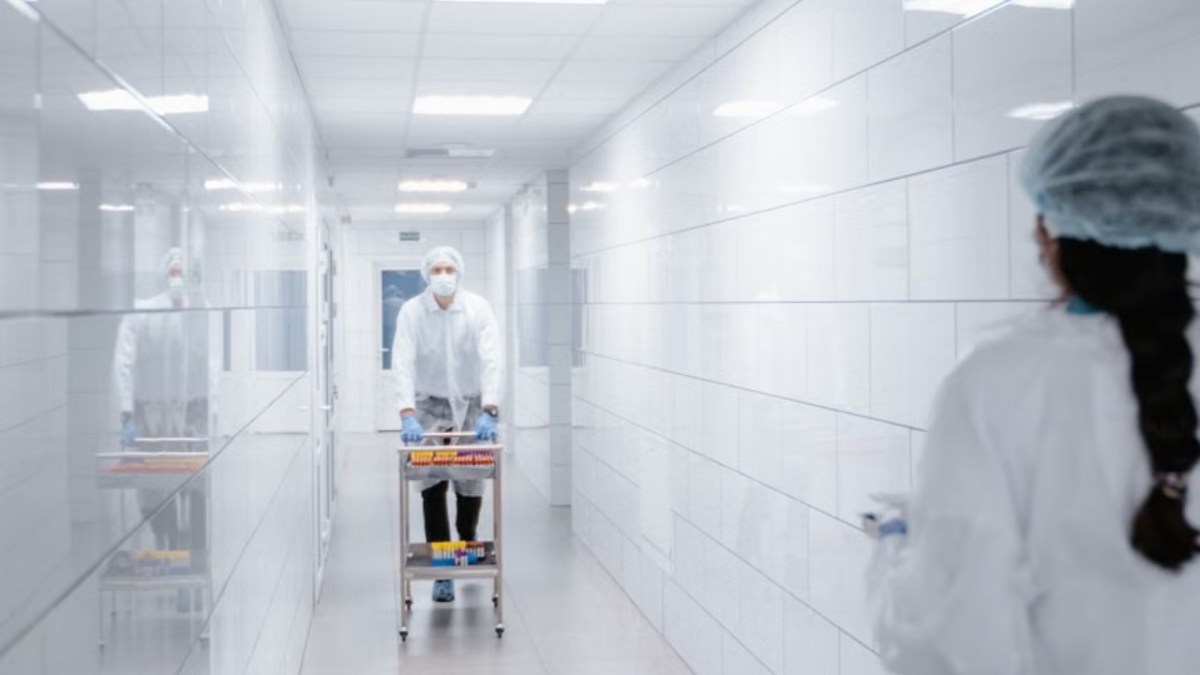

There’s a popular young-donor plasma therapy that costs $8,000, but the FDA’s stance on the issue is conflicted, to say the least. The startup is led by Jesse Karmazin, who vividly described the method in an interview with CBS Philadelphia in December 2018. “Their brains are younger, their hearts. Their hair, if it was gray, it turns dark again,” he said of experiments run on elderly rats.
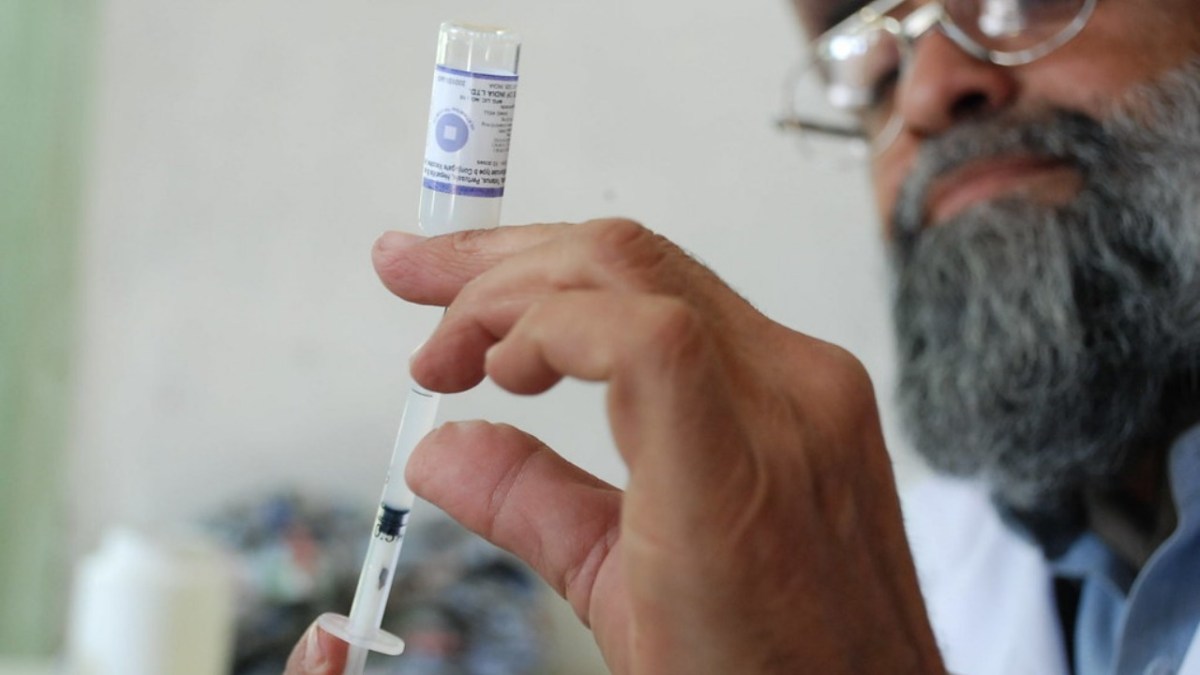
Karmazin earned his medical degree at Stanford but never obtained a license to practice and his startup Ambrosia has already sold the treatment to eager patients. For $8,000, you could get a liter of plasma, while two liters cost $12,000. Every donor was between 16 and 25, so some of that plasma came from teenagers. Ambrosia, as of the latest reporting, saw patients in five cities, and payment was usually handled online.
Plasma, the fluid that carries blood’s antibodies and clotting proteins, has a narrow set of FDA-recognized uses, and it is mostly used for bleeding patients or people whose blood won’t clot.
Dr. Hooman Khorasani, Mount Sinai Health System’s chief of dermatologic surgery, claimed in the same CBS Philadelphia segment that he liked his early results using patients’ own plasma to help hair grow back, but he said the picture gets murkier when the plasma comes from somebody else. “There’s still a lot of unknowns and factors we don’t know,” he told the station.
The FDA, for its part, laid out a series of concerns in February 2019. One section maintained that the benefits of young-donor plasma for ordinary aging or illnesses like Alzheimer’s or PTSD have yet to be proven in any meaningful way. There’s also the matter of side effects, or all the things that could go wrong, including infection, allergic reactions, and lung injury.
“There’s still a lot of unknowns and factors we don’t know”
The warning didn’t specifically name Ambrosia, but within hours, a notice on the company’s site announced it had stopped patient treatments. (per CBS News) When the warning went up, then-FDA said such treatments “have not gone through the rigorous testing that the FDA normally requires.”
And while Ambrosia stopped around that time, it didn’t take them long to restart the program in November 2019. The prices were unchanged. By January 2020, he was running a San Francisco clinic open to anyone 30 or older. “The FDA’s announcement does not mention Ambrosia and it contains no requirements,” Karmazin told Longevity.Technology.
What he fails to mention is that Ambrosia’s study remains on ClinicalTrials.gov under the sponsor name Ambrosia LLC. There’s a start date of June 2016, marked “complete” as of January 15, 2018, with no update after May 2018. So that essentially means when CBS Philadelphia described the trial as ongoing that December, the registry had already listed it as finished for 11 months.
That kind of listing is what the FDA flagged in a December 6, 2024, update. The agency said sellers had kept marketing “young plasma,” some of them citing FDA registration or studies posted to ClinicalTrials.gov. Neither, the FDA wrote, shows a treatment is approved or proves the seller met the legal requirements for research on people.
When it comes to Ambrosia, the consensus is as murky as the treatment. Karmazin told CBS Philadelphia that his patients said they felt “amazing.” In February 2019, Stanford neurologist Dr. Sharon Sha called young plasma “promising and helpful,” yet raised concerns about patients not being aware of risks.
For now, the FDA’s 2024 update offers the clearest answer, and that is the agency knows of no evidence that young plasma works for any of the uses it’s marketed for.





Published: Sep 28, 2026 04:57 am