


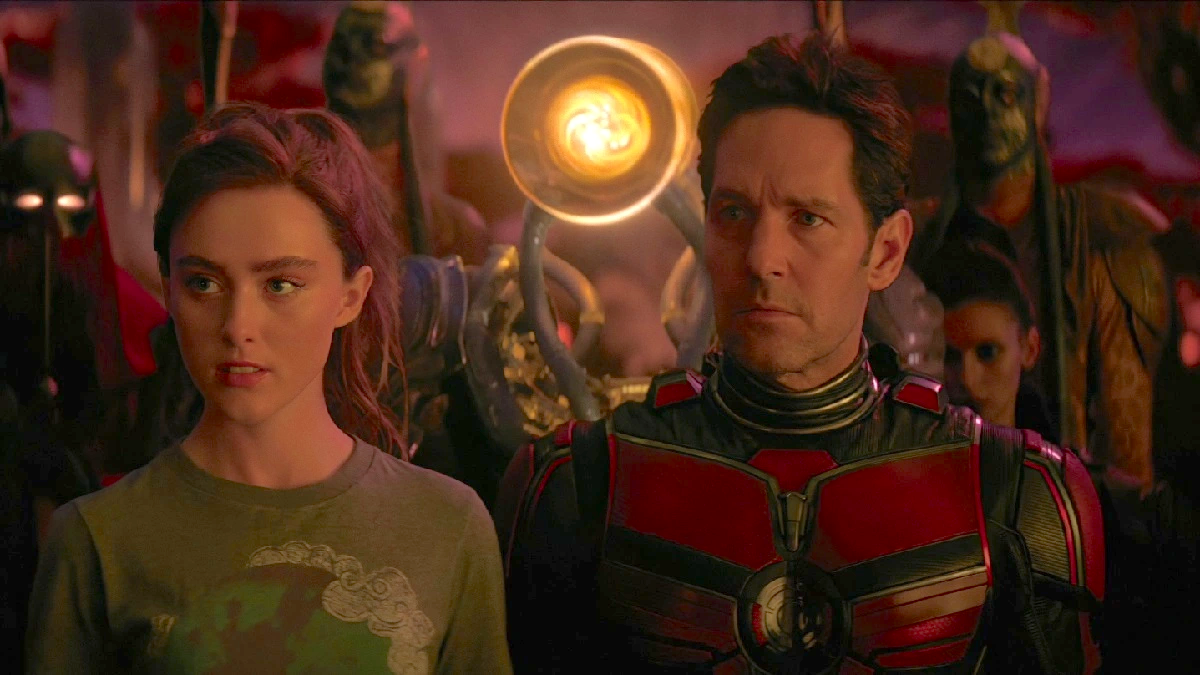

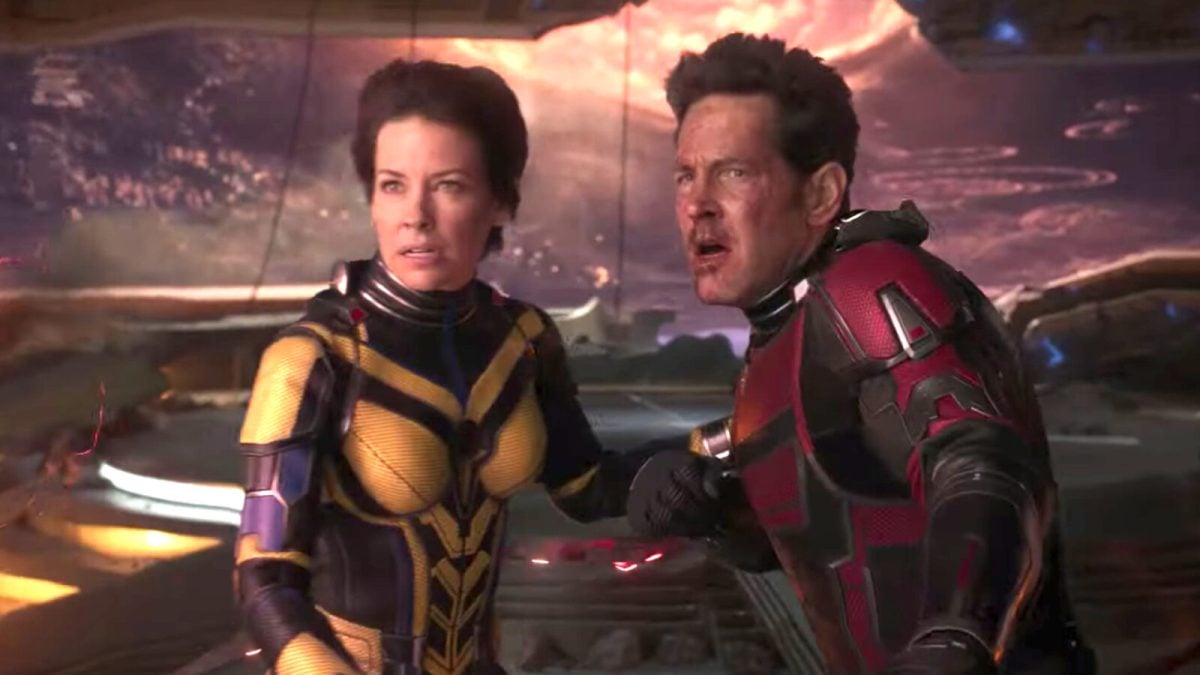
Ant-Man and the Wasp: Quantumania is taking the MCU down a new trajectory by officially kickstarting Phase 5, and its producer Stephen Broussard thinks the reason the cinematic universe has remained relevant over the years is due to the unique voice of its numerous creatives.
After the conclusion of the Infinity Saga, which was arguably the biggest movie event in history, Marvel embraced the only creatively sound strategy by experimenting with its tired formula. Considering how most movies and TV shows in Phase 4 turned out, though, it’s safe to say that initiative backfired in Kevin Feige’s face.
Now, Quantumania is going to preside over a period of retraction as Marvel tries to trace back to its roots and bring another overarching narrative into play. Yet, early reviews indicate that even the Ant-Man threequel fails to deliver a truly visceral MCU experience like the good old days of the early 2010s.
Despite this embarrassing turnout, Marvel execs remain optimistic about the company’s prospects. Broussard, in particular, thinks the MCU will remain relevant so long as it respects the unique voices of all the directors and writers who work on it.
“I view my job as supporting [filmmakers] and as supporting their [voices] and putting [them] at the forefront,” he said in an interview with /Film. “Because that is what will keep the MCU relevant; a voice that steps forward that is unique to that film. The interconnectivity is fun, we like that these movies connect. But at the end of the day, [these movies] have to function on their own. And the best way to do that is by empowering a Peyton Reed to bring his voice to the table. James Gunn, Shane Black… I think you see these filmmakers’ voices come through loud and clear.”
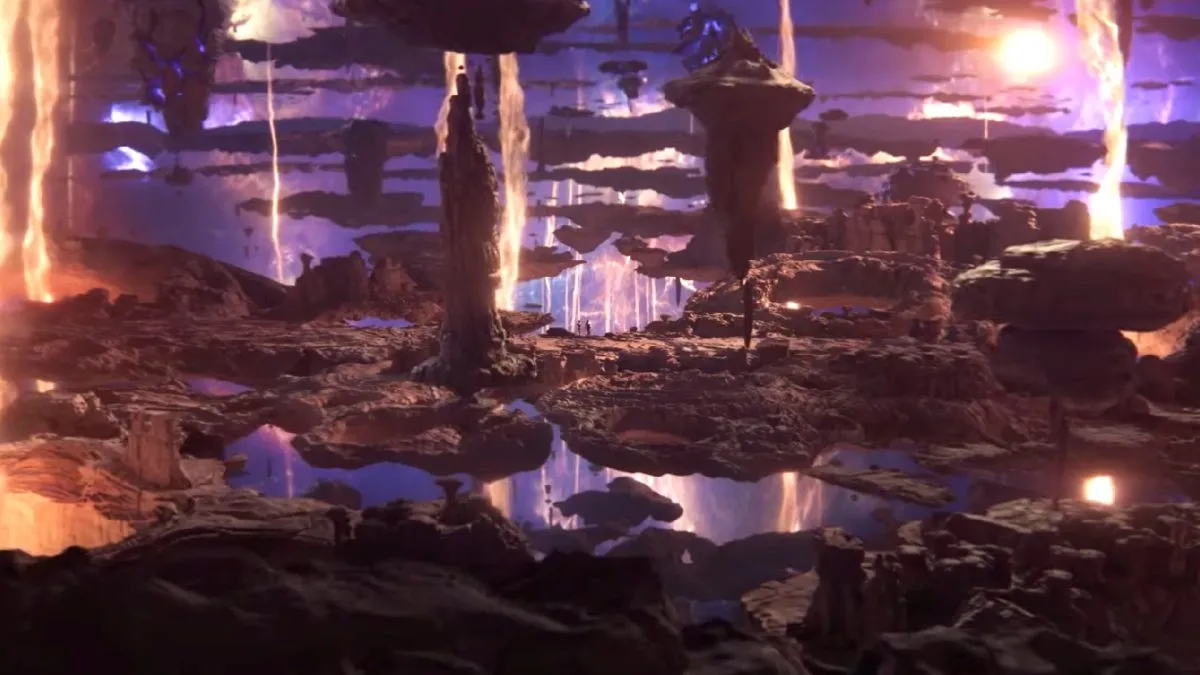
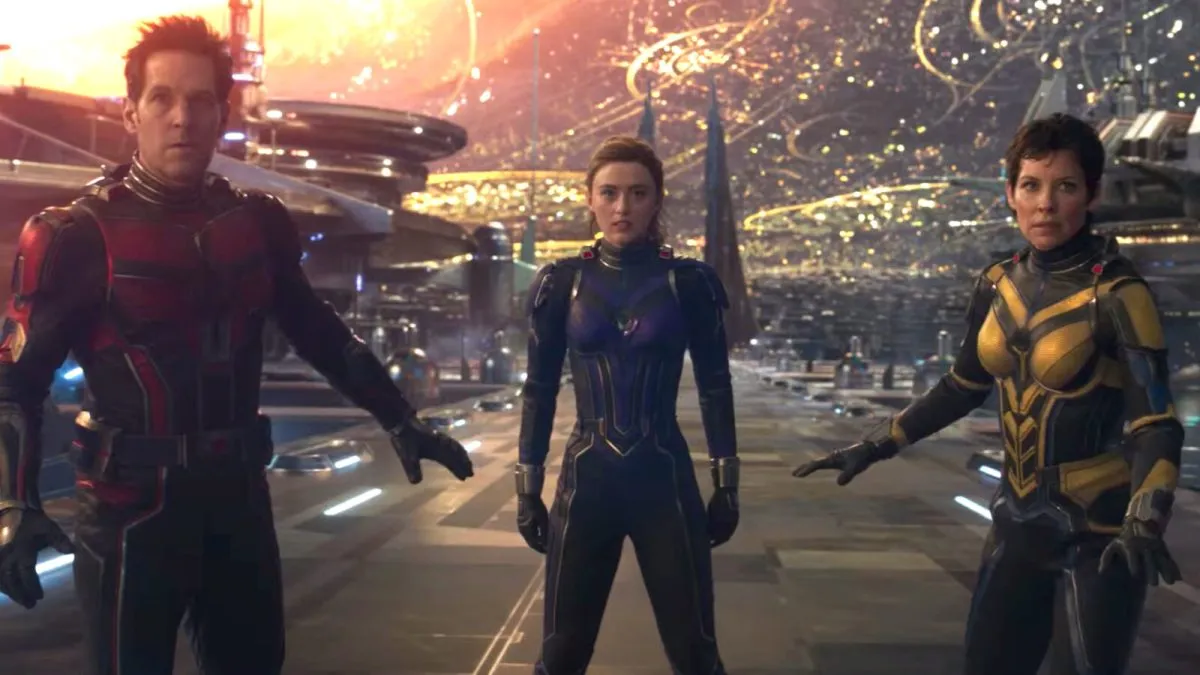
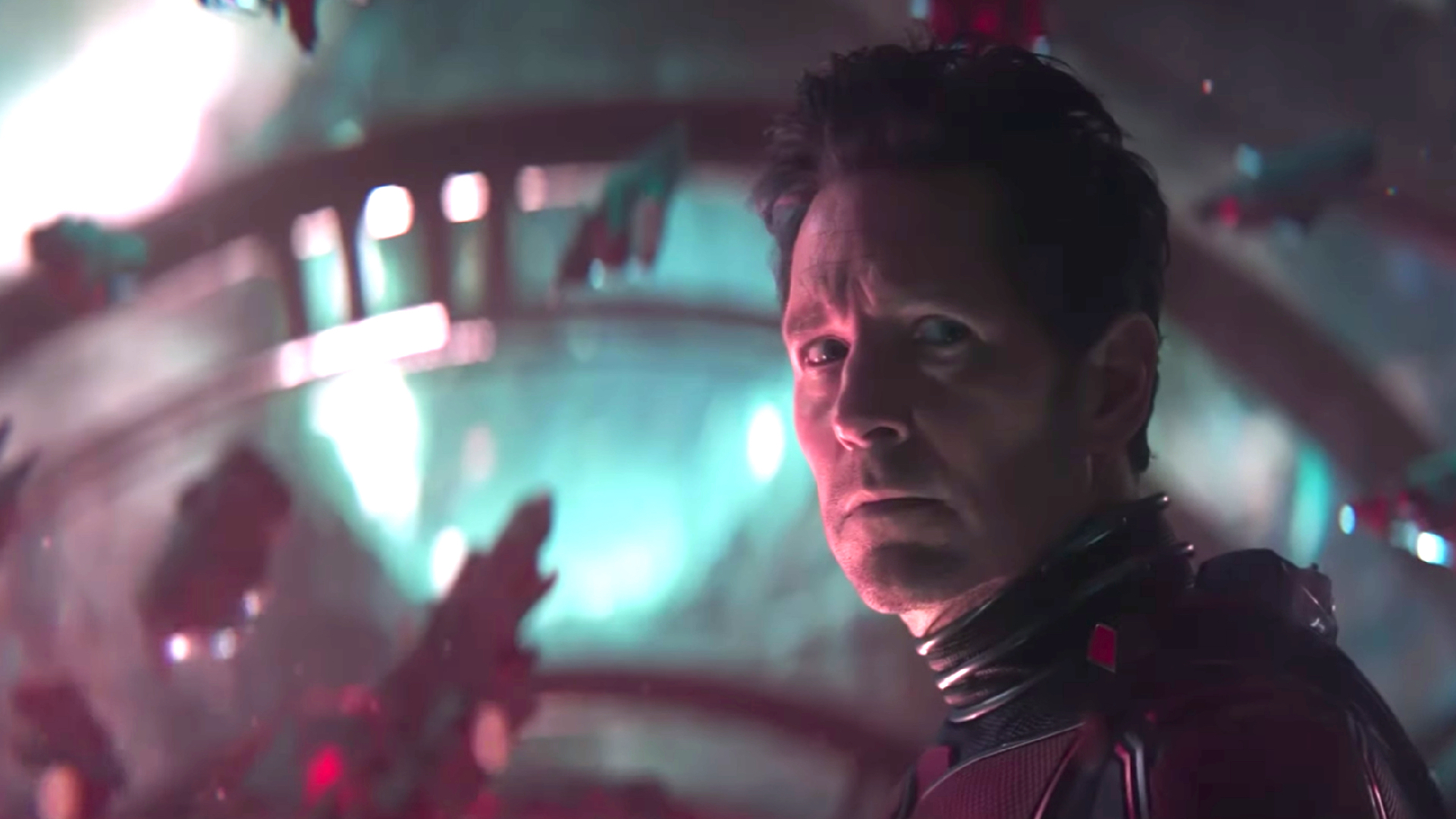
Some would argue that giving these filmmakers more creative control led to the convoluted mess of Phase 4 in the first place. Even Kevin Feige has admitted to taking a more head-on approach in Phase 5, so as a counter-argument, it might not be such a good idea to leave every creator to their own devices when you’re trying to weave together an interconnected narrative.
Some of the best stuff from the first three MCU phases happened because Marvel used a combination of creative freedom and supervision on these projects. Indeed, a few artistic compromises here and there might actually be a good idea, even though it may lead to some household names comparing the entire venture to “theme parks.”


Published: Feb 14, 2023 03:49 pm