


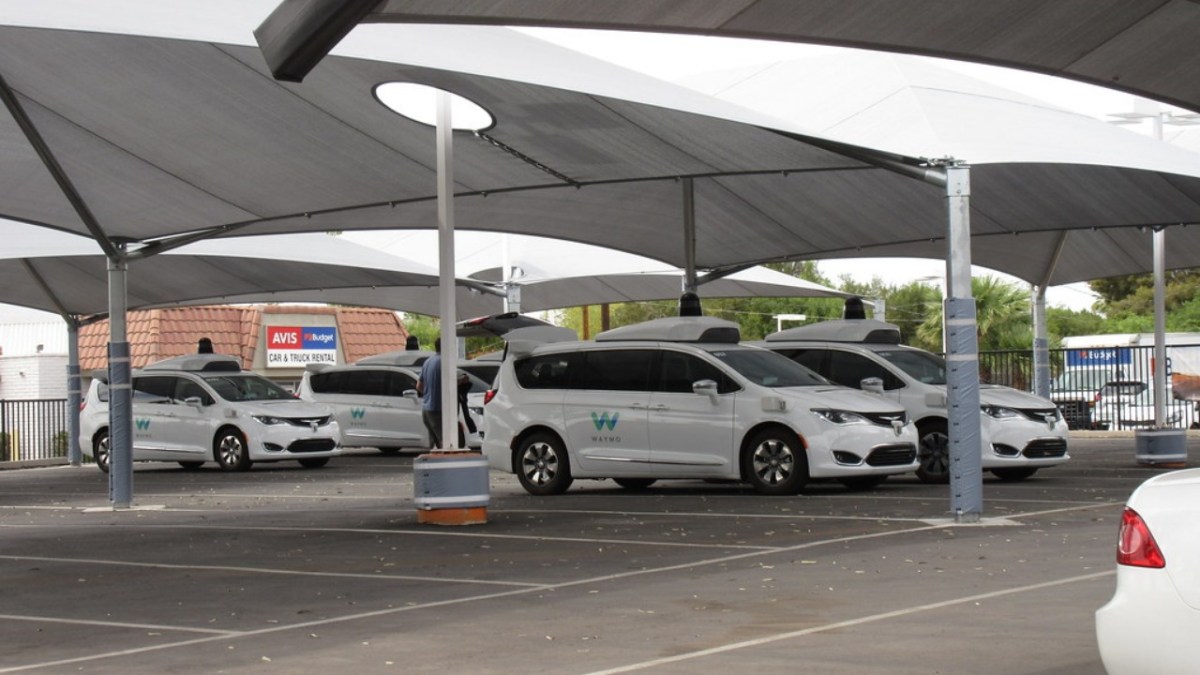

A driverless Waymo ride in Tampa, Florida, took a frightening turn on October 4 after a Buccaneers game at Raymond James Stadium. A group of young men found themselves riding into oncoming post-game traffic.
The car reportedly turned onto North Himes Avenue. The passengers got out and left it there, WFLA reports. According to the station, all lanes on Himes had been redirected for southbound traffic to help clear the stadium’s parking lots.The Waymo went north anyway. It appears the car did not know about the change.
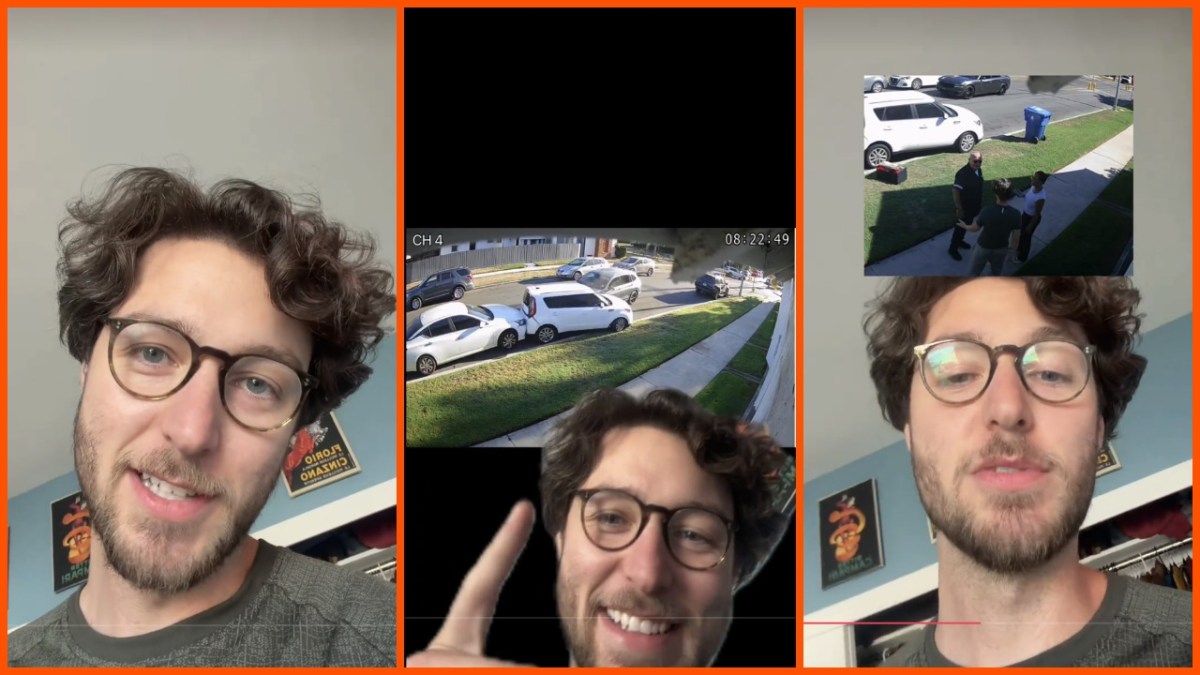
TikTok user @matthewr_83 posted a video from inside the vehicle. His caption reads, “Thought we were done for a second there,” and the clip shows the passengers looking shocked.
Waymo responds to the incident
A second video, sent to WFLA’s 8 On Your Side team by Michael Ripatranzone, shows the car from outside. “Guys, like, I’m outta here!” one person says. After the passengers left, one person shouted, “Your driver sucks!” at the empty car. Another person, referring to the stuck Waymo, said, “Oh, my God, this guy is in the way of everything.”
Waymo told 8 On Your Side it is looking into the incident. “The trust and safety of the communities we operate in is of paramount importance,” a spokesperson said. The spokesperson added, “In Tampa this week, a Waymo vehicle briefly entered a temporary one-way street before correcting the issue. We are looking into this event so we can learn more and improve.”
The statement does not say what went wrong. The clips show the car still blocking a lane after the passengers left. Temporary setups such as work zones have caused problems for robotaxis elsewhere.
Other autonomous vehicles have faced similar navigation problems. In one case, a self-driving car turned onto train tracks, forcing a passenger to escape as a train approached. The Tampa incident was different because the traffic change on Himes was temporary.
The Tampa Bay Times reports Waymo began offering rides in Tampa this September, after months of mapping city streets. Florida has allowed driverless cars since 2019. Operators need at least $1 million in insurance and must meet federal rules. Cities have no regulatory oversight of the companies.
Missy Cummings, an engineering professor at George Mason University who studies driverless-car policy, told the Times that Florida’s approach leaves local governments with little control. “As far as I know, Florida is kind of a free-for-all,” she said. She added that local governments need statewide policies to back them up.


Published: Oct 10, 2026 05:23 am