



Europe is rapidly speeding up its plans to build a more self-reliant NATO, driven by growing concerns over America’s reliability within the alliance. Officials are actively drawing up blueprints for what they are calling “European NATO,” with the goal of boosting the continent’s military strength and leadership.
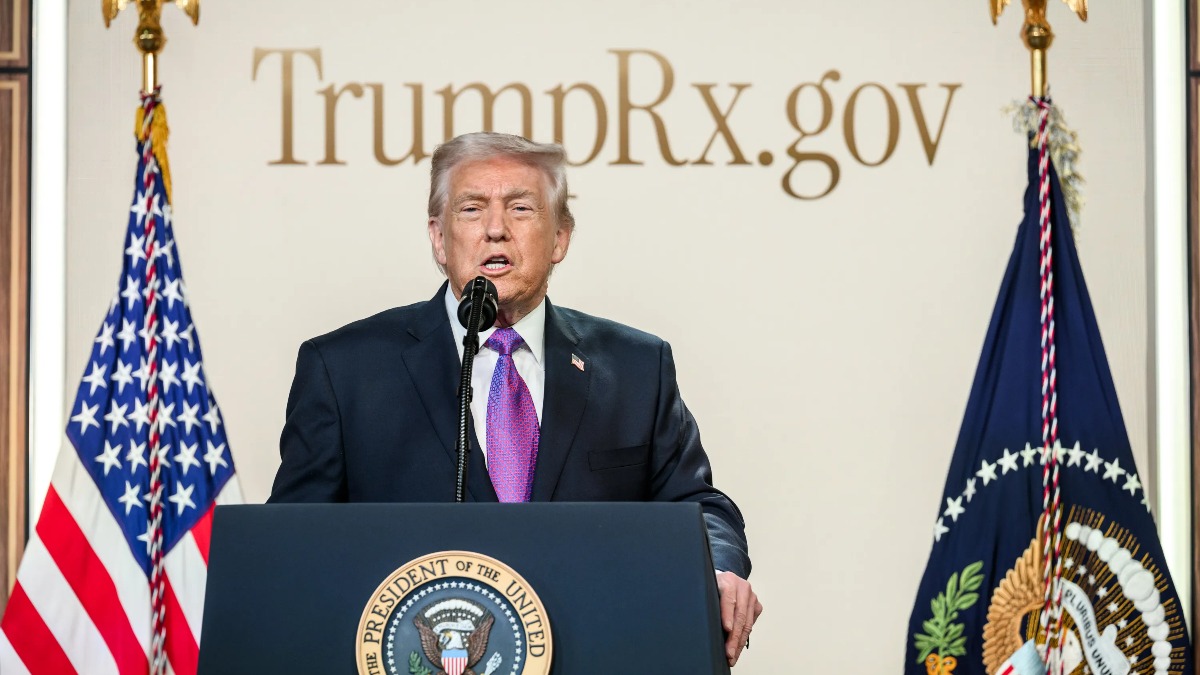
The Wall Street Journal says this push gained serious momentum after Donald Trump threatened to punish NATO members he felt were not supportive enough of the US during the war against Iran. His proposal involves pulling American troops from uncooperative nations and moving them to more supportive ones. This is significant, given that Washington currently has around 84,000 soldiers stationed across Europe.
Trump has repeatedly threatened to withdraw America from the 32-member alliance, saying several NATO countries did not do enough to help the US during “Operation Epic Fury,” particularly when he called for reopening the Strait of Hormuz. This belief is seriously straining the trans-Atlantic alliance, presenting perhaps the biggest challenge it has ever faced.
Europe is not replacing NATO, it is building a safety net in case America walks away
The “European NATO” initiative is not meant to rival the existing alliance. Instead, it is designed to preserve deterrence against Putin, maintain nuclear credibility, and ensure the alliance keeps functioning even if the US pulls its forces from Europe. Officials are working to supplement US military assets with European ones, and to place more Europeans in NATO’s key command-and-control roles.
This comes as NATO’s chief previously warned about Europe’s heavy dependence on US capabilities, making this shift all the more urgent. This shift is already underway, with Europeans taking over more top NATO command positions and leading major upcoming exercises, particularly along the Russian border in the Nordic region.
Finland’s President Alexander Stubb, one of the leaders involved in these plans, stated, “A burden shifting from the US toward Europe is ongoing and it will continue…as part of US defense and national security strategy.” He added that the most important thing is to manage this shift in a controlled way, rather than having the US quickly pull out.
Much of this political push was driven by a significant change in German policy. Chancellor Friedrich Merz began questioning Germany’s heavy reliance on the US nuclear umbrella after Trump appeared ready to abandon Ukraine. Merz wanted to push Europe to take on a bigger defense role without publicly criticizing the alliance.
The UK, France, Sweden, and Poland are reportedly on board with this vision. Sweden’s ambassador to Germany, Veronika Wand-Danielsson, confirmed, “We are taking precautions and having informal talks with a group of like-minded allies, and will contribute to fill the gap within Nato when so required.”
One key element being considered is reintroducing the military draft. President Stubb, whose country kept the draft after the Cold War, believes there is “probably nothing better than compulsory military service” for civic education, national identity, and unity. Europe is also working to ramp up production of defense equipment, as the continent currently lags behind the US in areas like reconnaissance, space technology, air mobility, and anti-submarine tools.
In 2025, combined NATO military spending hit about $1.5 trillion, with the US alone accounting for over $900 billion of that. NATO members previously aimed for 2% of GDP on defense, but a new target of 5% by 2035 was agreed upon last year. Analysts have also pointed out that Trump’s broader strategy of pressuring and potentially fracturing NATO follows his usual pattern of using leverage to extract concessions.
Even without the US, Europe would not be defenseless, the UK operates modern aircraft carriers, France and the UK hold independent nuclear deterrents, and European NATO members collectively operate around 2,000 fighter and ground attack jets, including dozens of F-35s.
However, military experts point out that Europe still lacks the strategic tools needed to fight and sustain modern wars. Retired US Admiral James Foggo told the WSJ that while European nations have the “capability” and “hardware,” they need to invest and develop these capabilities much faster. A significant gap remains in nuclear deterrence and intelligence, meaning France and Britain are under growing pressure to enhance their strategic and nuclear capabilities.







Published: Apr 15, 2026 03:12 pm