


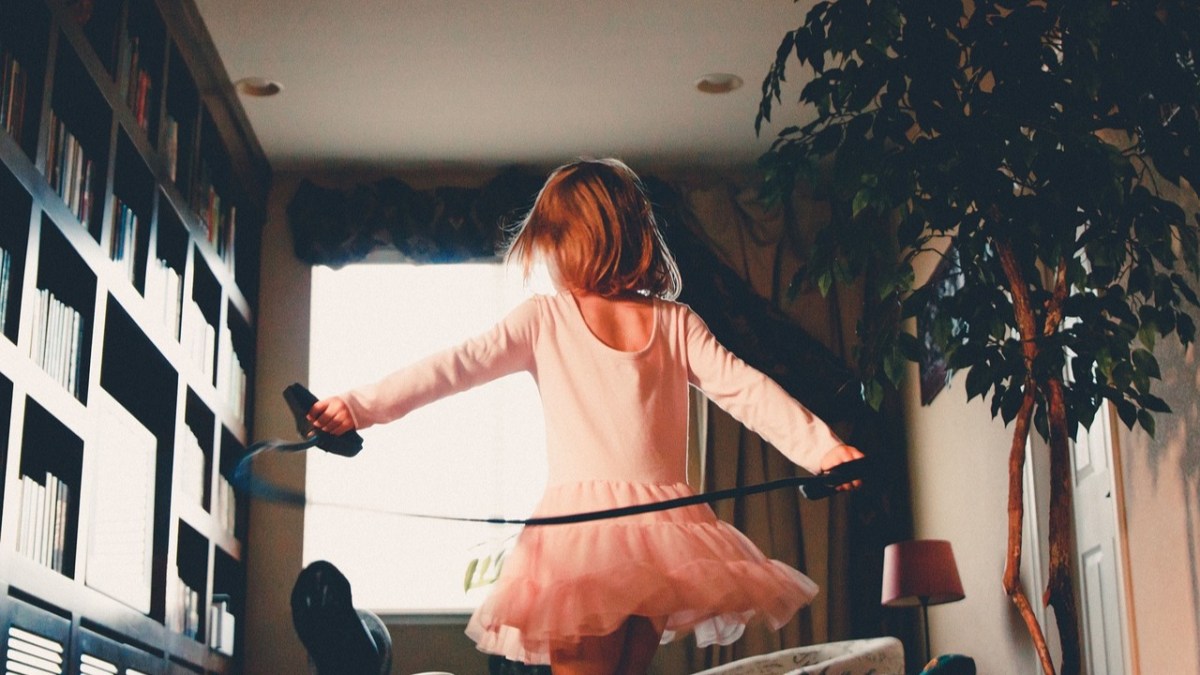

A mother has sparked a debate about playdate etiquette after allegedly receiving a $31 bill from another parent for food, drinks, and craft supplies her daughter used during a three-hour visit. The unexpected invoice left her questioning whether parents should be expected to pay for everyday expenses when their children are invited to someone’s home. The unusual dispute was highlighted by a radio show in Australia, 2DayFM Breakfast with Nath & Emma, according to Bored Panda.
The messages reportedly showed one mother asking another to cover her daughter’s share of the expenses following a playdate. The exchange began when the mother received a message detailing the amount she supposedly owed. Confused by the unexpected charge, she asked, “Her share of what?” The other parent responded simply, “The playdate.”
She then apparently explained that the $31 covered “lunch, snacks, juice, and the craft supplies.” The mother questioned why she was being charged, pointing out that the other family had invited her daughter over in the first place.
The bill apparently didn’t make sense
The host reportedly defended the invoice by explaining that entertaining children came with expenses. She also claimed the girl had used a significant number of beads from craft kits, which were not particularly cheap. According to her, most parents were happy to contribute toward the cost of hosting.
The exchange sparked mixed reactions online, with one commenter suggesting a sarcastic response to the unexpected request: “Ask for an itemized bill just to be petty.” Nath and Emma also weighed in on the disagreement during their radio broadcast, questioning whether charging another family was reasonable for an ordinary afternoon of play.
Nath argued that asking parents to contribute made more sense when children were attending expensive outings or organized activities. He asserted that “If you’re going somewhere, if you’re going to a theme park, if you’re going to the movies, sure, take your money like you’re going on an excursion like through school. But if you’re just going over to play Nintendo Switch.”
He questioned the practice when children were simply visiting another home to play video games or spend time together. Emma also offered a more casual interpretation of what the children might have eaten during the visit, suggesting lunch could have consisted of chicken nuggets and vegetable sticks.
The discussion also prompted a closer look at how much the food and craft supplies might actually have cost. Using average US retail prices as a rough estimate, a juice box at Meijer costs approximately 40 cents, meaning five drinks would amount to around $2.
Since the original messages did not specify what was served for lunch, the estimate assumes a meal similar to the chicken nuggets and vegetables Emma mentioned. That could cost approximately $5 for one child. Adding another $5 for snacks brings the estimated food and drink expenses to roughly $12.
The craft supplies are more difficult to calculate because the messages did not identify the exact bead kits the child used. However, Michaels sells bead kits for approximately $12, while Target offers a 2,750-count bead set for around $15.
A 2016 study by sociologist Tamara R. Mose, published in the book Playdate: Parents, Children and the New Expectations of Play, examined how parents navigate food and expectations during playdates. The research found that many parents consider food an essential part of the experience, with hosts commonly offering snacks and drinks to visiting children.






Published: Nov 9, 2026 05:45 pm