


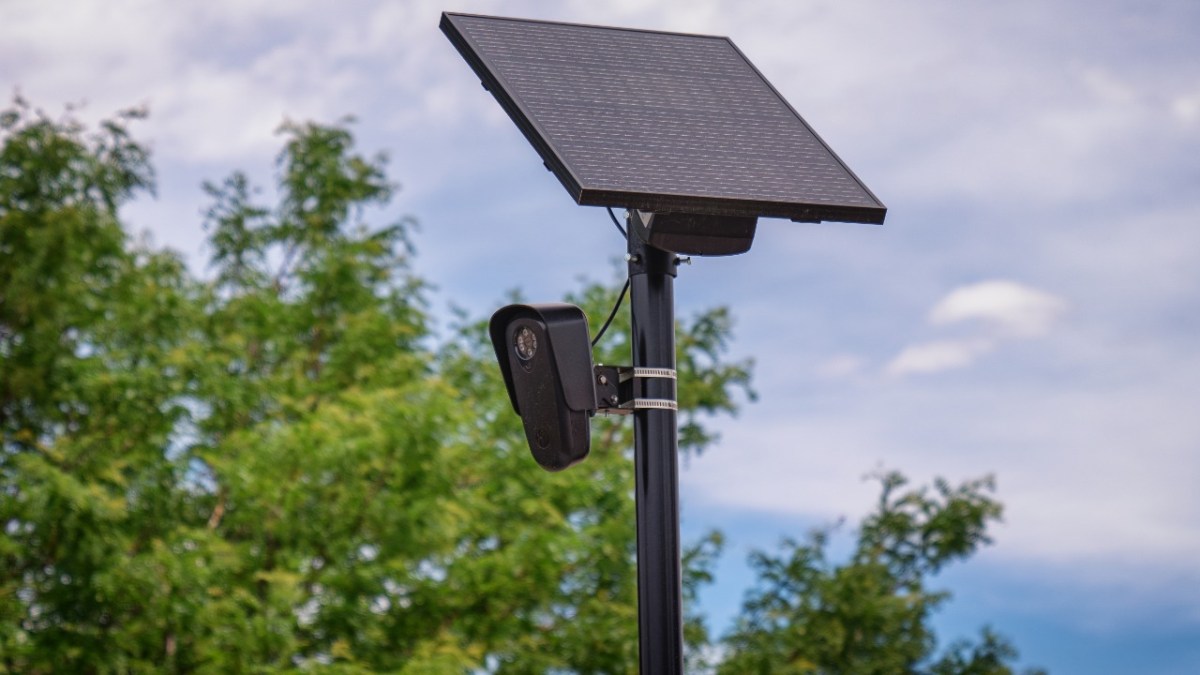

A federal judge in Oklahoma ruled on Friday that warrantless searches utilizing data from AI-powered surveillance cameras, specifically technology like Flock Safety, could potentially violate the Fourth Amendment if they lack proper probable cause. This decision comes after U.S. District Judge Sara Hill examined a case involving a Tulsa County deputy sheriff who used such data during a traffic stop that eventually led to a drug arrest, The Hill reports.
The specific situation involved a deputy who started tracking a driver simply because she had an out-of-state license plate. The officer ran her vehicle through an AI-powered database before observing any actual traffic violations or criminal behavior.
By using both Flock and VehicleManager systems, the deputy was able to pull up more than 50 sightings of the woman’s vehicle across several states. While the officer eventually spotted an infraction and made the stop, the judge concluded that the initial use of the technology intruded on the driver’s reasonable expectation of privacy.
ALPR technology has faced bipartisan pushback
Judge Hill wrote, “Freedom from persistent, dragnet-style surveillance while in public is not a foreign concept in our society, and it is a reasonable expectation that society already accepts.” She went on to explain, “But it becomes constitutionally problematic when law enforcement can indiscriminately and passively catalog your whereabouts over an extended period of time and then use that information for any purpose whenever convenient.”
Flock Safety provides automated license plate readers that log plate numbers and identify vehicle signatures, such as the make, model, and other physical features. The company maintains that its cameras do not collect biometric data of the people inside the vehicles.
A spokesperson for Flock stated, “The ruling goes against the overwhelming weight of authority in similar cases across the country, including multiple recent decisions in Oklahoma, and we expect it will be appealed and ultimately overturned.” The spokesperson further noted, “This ruling is limited to the specific facts of this case. It does not set controlling precedent and does not affect law enforcement agencies’ continued use of these important public safety technologies.”
It is worth noting that this tech is facing scrutiny from across the political spectrum. Over the past two months, Texas Governor Greg Abbott and Florida Governor Ron DeSantis have taken steps to limit the use of this technology within their states.
Furthermore, a growing number of cities have decided to end their contracts with Flock entirely. On the federal level, Senators Bernie Sanders and Jeff Merkley, along with Representative Alexandria Ocasio-Cortez, have introduced legislation aimed at stopping federal agencies from using this surveillance tech. Their proposal would also pause government grant funding for local law enforcement agencies that want to contract with ALPR manufacturers.
This ruling does not make the use of Flock data for arrests illegal, but it does clarify that the officer in this instance failed to establish probable cause. It effectively sets a stricter precedent for how law enforcement can use these massive databases during their investigations.
Motorola Solutions, the parent company of VehicleManager, did not provide a comment regarding the ruling.








Published: Oct 4, 2026 04:58 pm