


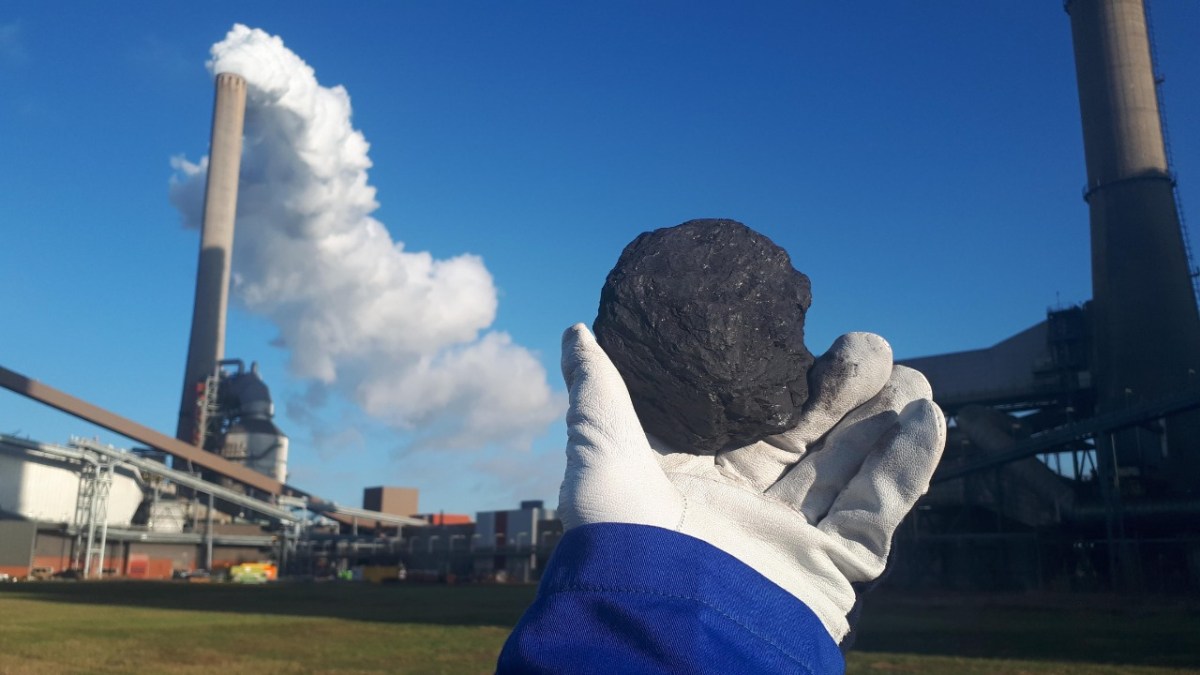

The Trump administration is providing active support to nearly half of the coal plants currently operating across the United States. A new analysis from the Environmental Defense Fund shows that 90 of the 184 grid-connected coal plants have received assistance, ranging from direct cash to regulatory exemptions that allow them to continue running past their planned retirement dates, The Guardian reports.
This support comes in several forms. The administration has reportedly handed out $950m in taxpayer money to 24 of these plants. Furthermore, 70 facilities received exemptions from Clean Air Act requirements that typically limit toxic pollution.
Surbhi Sarang, director and senior attorney at the Environmental Defense Fund, suggests this strategy keeps aging infrastructure online longer than it might otherwise remain. “The administration has leveraged a multitude of tools to prop up coal plants, and ultimately all of that is harming Americans even more by increasing electricity costs, by increasing pollution – it’s like Americans are getting hit twice,” Sarang states.
The focus on these standards follows the 2024 update to the EPA’s Mercury and Air Toxics Standards
These rules were designed to reduce emissions of toxic metals like nickel, arsenic, and lead. When the administration invited companies to request exemptions from these updated standards, several firms cited concerns over the high cost of compliance.
One prominent example is the Colstrip plant in Montana. Owned by NorthWestern Energy and Talen Energy, the facility has been a subject of debate due to its long history of operation and impact on nearby communities.
Brian Bird, the president and CEO of NorthWestern, wrote an email to the Department of Energy in March 2025 requesting a meeting with administrator Lee Zeldin. In the email, he argued that it would cost $500m to comply with the new rule: “It is ludicrous that our customers would have to cover the costs of a $500m investment for such a slight improvement to particulate matter capture,” he wrote.
The administration granted NorthWestern an exemption from the 2024 standards, which were later repealed in February. NorthWestern maintains that its technology is efficient and meets current state and federal requirements. The company describes the plant as a dependable bridge to a cleaner energy future that supplies reliable energy until viable, equivalent, carbon-free energy resources are commercially available.
Another facility, the WA Parish plant near Houston, also secured an exemption. Its owner, NRG, argued that complying with the new regulations would jeopardize the reliability of the grid. According to an email obtained by the Environmental Defense Fund, the company claimed that forcing compliance would risk the affordability and reliability of the grid.
Research from Rice University has previously identified the plant as a significant source of local health concerns, with professor Daniel Cohan noting that it is responsible for many premature deaths annually. Cohan argues that the administration is letting plants off the hook from the more stringent version of the standard, which allows them to stay open longer.
In response to these findings, White House spokesperson Taylor Rogers defended the administration’s approach. Rogers stated that the Trump administration has backed and saved more than 100 coal plants this term. The statement added that “by championing beautiful, clean coal,” President Trump has prevented the retirement of more than 17 gigawatts of power and saved lives during periods of heightened demand.









Published: Nov 1, 2026 05:30 pm