


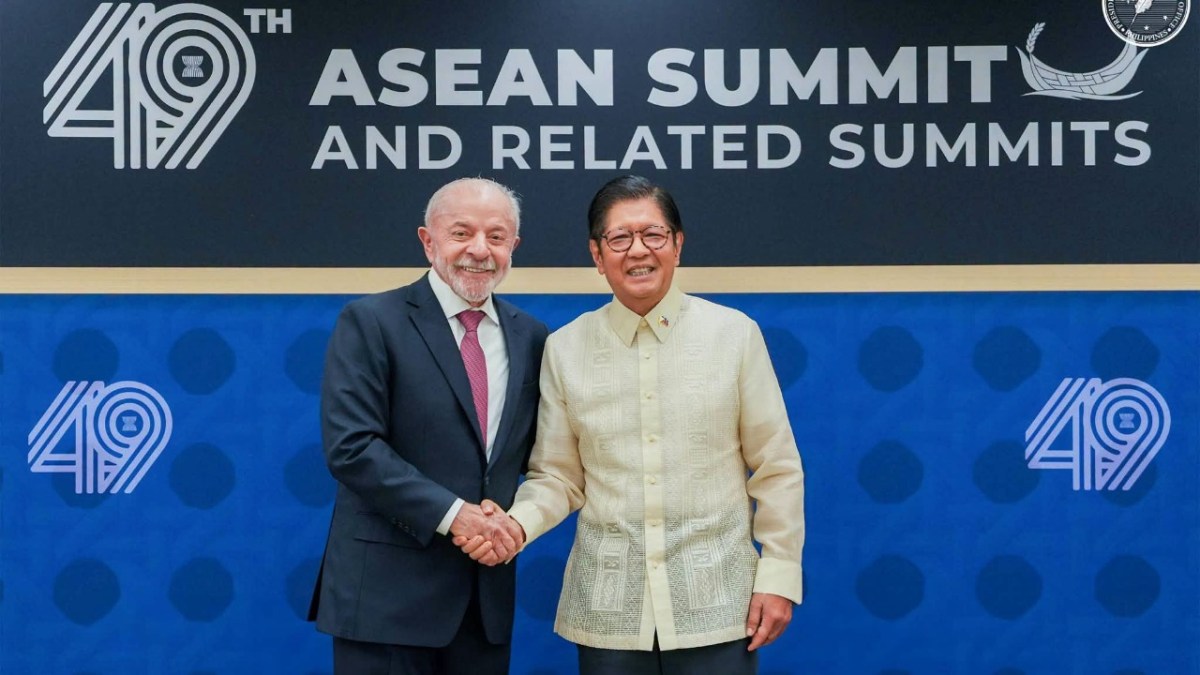

Brazilian President Luiz Inácio Lula da Silva says his country has moved on from steep American tariffs by finding new partners across the globe. Speaking in Manila on Sunday after the 49th ASEAN Summit opened, as per Clash Report, Lula explained that Brazil shifted its focus away from Washington after President Donald Trump put 50% tariffs on most Brazilian goods.
These measures took effect around August 6, 2025, following a late July announcement that cited concerns over the prosecution of former Brazilian President Jair Bolsonaro and other issues framed as a national emergency.
Lula stated that Brazil learned “an extraordinary lesson” from the experience. He noted that instead of “crying or begging the American government to have pity on Brazil, we decided to look for other partners to sell to and buy from.” The data shows that this shift is already happening. According to Lula, the American share of Brazilian global trade has fallen and now sits at 9.2%.
In the meantime, Brazil has seen significant growth in commerce with other regions
Lula reported that trade with China rose by almost 20%, while trade with Indonesia increased 15%. Similar growth occurred with Germany at 15.8% and Vietnam at 13%. Across 50 countries, trade increased by an average of 10.5%. While Lula did not provide the exact timeline or the math behind these figures, he argued that the episode showed multilateralism is more effective than unilateralism.
Lula attended the summit in the Philippines as a guest of President Ferdinand Marcos Jr. This visit marked the first time a sitting Brazilian head of state has visited the country as they celebrate 80 years of ties. Lula arrived in Manila after attending COP31 in Antalya, Türkiye. The trade relationship between Brazil and ASEAN reached $38.4 billion in 2025, which makes the bloc the fifth-largest trading partner for Brazil.
Fresh off winning the historic general election, Lula expressed a desire to double that exchange, and Foreign Minister Mauro Vieira mentioned that Brasília is seeking a full ASEAN Dialogue Partnership in 2027. During his time in Manila, Lula met with Marcos, Canadian Prime Minister Mark Carney, and Singaporean leader Lawrence Wong. He also signed agreements focused on agriculture and competition policy.
Beyond just shifting trade partners, the Brazilian government is aiming to change its industrial identity. Lula emphasized that the country wants to produce batteries and chips domestically. He said that Brazil no longer wants to be an exporter of raw materials or commodities. The goal is to move toward becoming an exporter of knowledge and intelligence.
Lula believes his country has the potential to make that leap forward. He is currently inviting foreign governments and companies to invest in Brazilian critical minerals, though he maintains that the industrial value of those resources must stay within the country.
The original tariff package from the United States did include some exemptions. Products like civil aircraft, certain energy goods, and orange juice were spared from the 50% hike. Even with those exclusions, the move clearly pushed Brazil to look elsewhere for economic stability.

Published: Nov 16, 2026 10:00 am