


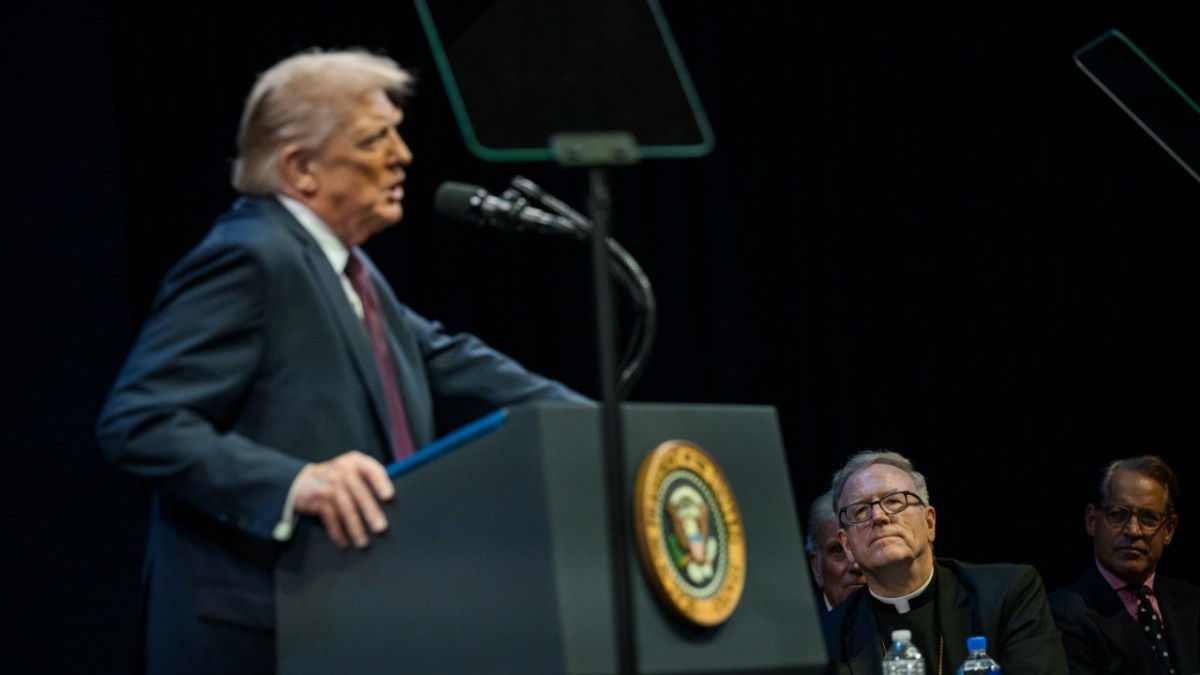

Oil markets faced renewed uncertainty after President Donald Trump suggested the United States no longer needed a deal with Iran, raising fresh concerns that the conflict could continue disrupting energy supplies. Although U.S. crude prices remained relatively close to the flatline, Brent crude moved higher as investors reconsidered the possibility of a prolonged confrontation in the Middle East, according to CNBC.
Brent crude futures gained 0.7% to reach $93.41 per barrel; meanwhile, West Texas Intermediate (WTI) futures slipped 0.05% to $86.47 per barrel at the time of writing. The mixed performance came after Trump made another statement on Truth Social about the conflict, claiming Washington had already secured significant financial leverage over Tehran and control of the strategically important Strait of Hormuz.
“We don’t need a deal with Iran. Those days have long since passed. We’ve got their money, Hundreds of Billions of Dollars, and we’ve got their Strait!” Trump wrote. His remarks appeared to raise concerns about the possibility of further military escalation, particularly after he had previously suggested that additional attacks on Iran were unlikely.
The end doesn’t seem in sight
Trump had suggested earlier that fresh attacks on Iran were highly unlikely as negotiations to end the conflict progressed (per CNN). However, reports of shipping being hit in or near the Strait of Hormuz by both countries continued to raise concerns about the security of one of the world’s most important oil transportation routes.
Earlier, the president also said further military action did not appear necessary “at this point” (per Reuters). Those comments helped ease fears that prolonged fighting would interfere with Middle Eastern oil supplies. However, John Kilduff, a partner at Again Capital, told CNBC that investors might have been too quick to assume the fighting would end.
“The market may have gotten ahead of itself on pricing in a cessation of hostilities,” Kilduff said. He warned that renewed uncertainty surrounding a potential agreement could push the security premium in oil prices higher.
Andy Lipow, president of Lipow Oil Associates, offered another explanation for why the conflict might not be nearing a resolution. He suggested the administration could believe that maintaining an economic blockade would eventually pressure Iran into negotiating or cause its economy to collapse. However, he warned that Tehran could respond by targeting infrastructure across the Middle East, potentially pushing energy prices higher and forcing Washington back to negotiations.
He also added that neither side has changed its demands. “Iran wants the blockade to end, sanctions to be lifted, and a ceasefire including Lebanon to be declared. The USA wants Iran to get rid of its entire nuclear stockpile and allow free transit through the Strait of Hormuz,” he said.







Published: Nov 12, 2026 04:15 pm