



Truckers blocked highways in Guatemala last week. Tires burned along a highway in Syria, while protesters took to the streets in Aleppo. Fishermen blockaded a fuel depot in southern France, , and about 80 people marched through Espinho, Portugal.
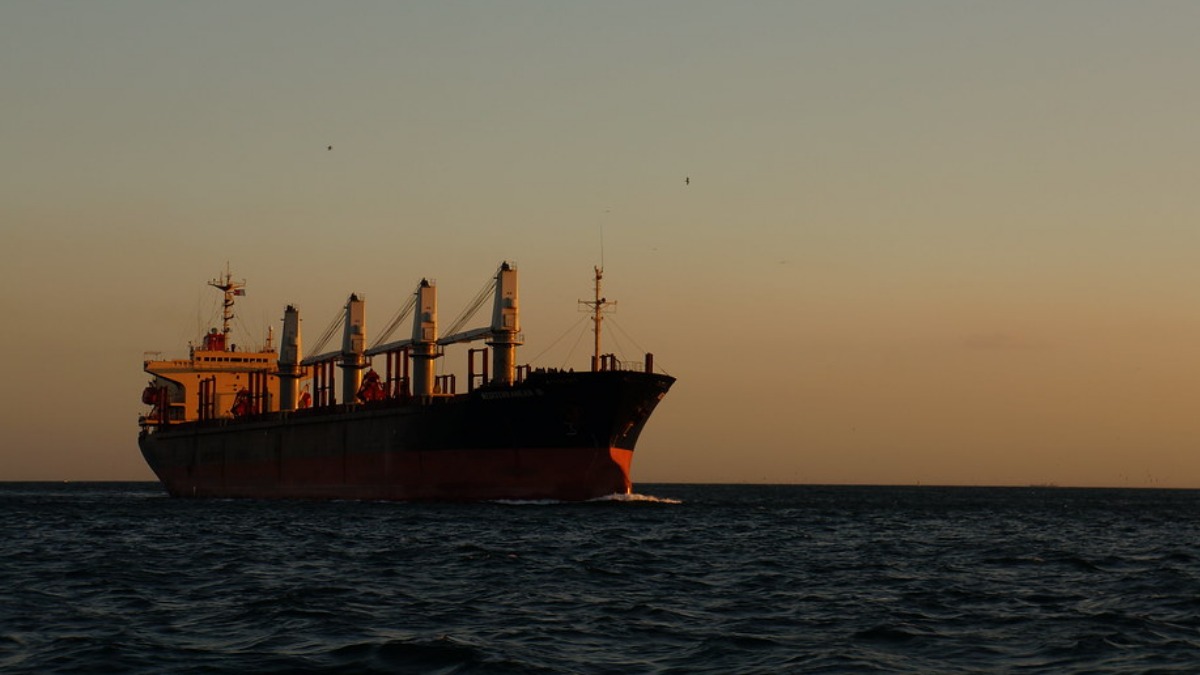
In each case, rising fuel costs have pushed frustration onto the streets. Oil climbed above $100 a barrel last week after fresh US strikes on Iranian tankers in the Gulf. Fighting has also reignited in Yemen, threatening ships in the Bab al-Mandab Strait.
CNN reported Tuesday that the impact is being felt worldwide. In the US, gas prices have already started climbing again this year, with heating oil costs expected to rise further this winter. For less wealthy countries, the hit to national finances and household budgets has been even starker, with people struggling to afford fuel, get to work and run their businesses.
Syria’s fuel hike sparks major protests
Syria has seen its largest protests since the fall of the Assad regime two years ago. The government raised diesel prices by roughly 40% over the weekend, pushing the cost to 175 Syrian pounds, or $1.43, a liter.
Gas prices rose by more than 25%. Officials point to global price surges and maintenance work at the Baniyas refinery, the country’s largest.
Not everyone is asking for higher pay. Some just want lower prices. “All those present here want a reduction in diesel prices. We don’t want higher wages, we want cheaper (fuel),” protester Yasser Salim said in Aleppo, in footage filmed by Reuters. Another demonstrator, Bassam al-Ali, put it more bluntly: “Your people were with you, is still with you now and will remain with you – but this will let things explode.”
Muaz Al Abdullah, a Syria analyst with the conflict monitor ACLED, said the anger goes beyond fuel prices. “Fuel availability, rising prices, falling purchasing power, and poor services are all reasons that have accumulated public resentment,” he said. He added that protesters are increasingly demanding the removal of officials, including the energy minister.
Guatemala truckers take to the highways
Guatemala has seen similar frustration. Truckers and other protesters blocked highways last week, causing damage in various parts of the country. Congress is now weighing a bill to cap fuel prices through the end of the year.
“People cannot pay these prices and not feel the impact on their finances,” said Luis Contreras Colindres, president of the country’s Congress. “Diesel is the engine that drives this country’s economy.”
Portugal protests rising fuel and living costs
In Portugal, about 80 people marched in Espinho until they reached Prime Minister Luís Montenegro’s home on Saturday. Local business leaders organized the protest over gas prices and the wider cost of living.
The country’s firefighters’ league has also warned that rising fuel costs are becoming unsustainable for volunteer brigades. On Monday, the government announced new support for freight transporters, taxi drivers, and the fire service
French fishermen blockade fuel depot
In France, fishermen took their protest to a fuel depot. Around 50 blockaded a major fuel depot in Fos-sur-Mer on Tuesday. They briefly clashed with police. Mayor Philippe Maurizot called it a “profound crisis that demands an urgent and strong response from the state.”
He added that “rising costs, increased fuel prices, a growing number of constraints, insufficient income, and a lack of visibility are placing some professionals in an untenable situation.”
Philippines transport workers strike over fuel prices
The Philippines has faced the same pressure before. Transport group Manibela went on strike Monday, a day before another round of price hikes took effect. Energy Secretary Sharon Garin acknowledged the strain, saying increases “affect the daily budget of families, the livelihood of our drivers, and the operating costs of businesses.”
The latest strike echoes what happened in March, when people in Manila marched toward the country’s presidential palace. Trade union leader Jerome Adonis said then that Filipinos were “being hit by poverty and hunger because of the rise in oil prices.” Washington has since signaled the war could stretch well past the midterms, leaving little sign of relief at the pump.
Student unions have also joined protests at various points this year, as fuel prices have become part of a broader cost-of-living fight.








Published: Sep 17, 2026 12:08 pm