


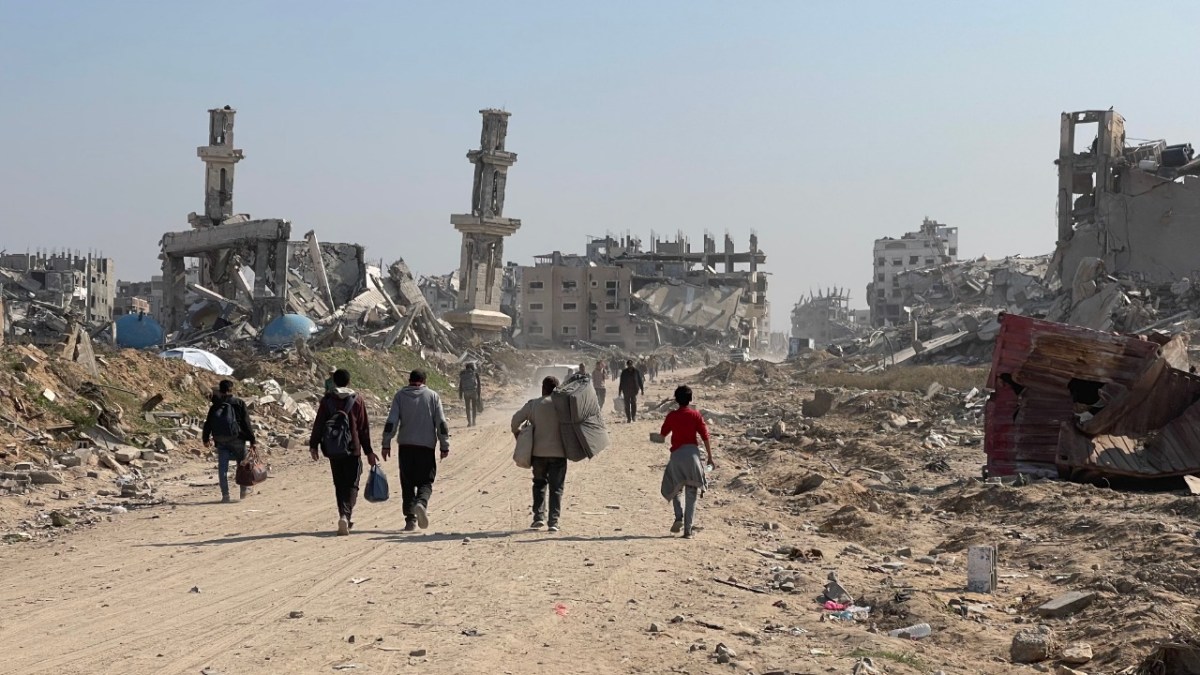

The United Nations estimates that 61 million tonnes of debris now cover Gaza, leaving behind a massive environmental crisis. A new report from Oxfam and the Conflict and Environment Observatory paints a grim picture of the situation, describing “a toxic wasteland” where poisoned water, contaminated soil, and dangerous air threaten the survival of the population, The Guardian reports.
The military assault has spread heavy metals, explosive residues, asbestos, and sewage across the entire territory. These materials have fundamentally degraded the conditions needed for human safety.
Oxfam International executive director Amitabh Behar stated, “Israel’s ongoing genocide in Gaza includes military assaults on its environment, which are environmental war crimes threatening life now and for generations to come.” He also noted the destruction has breached legal obligations under international humanitarian and human rights law.
This damage is not just a temporary issue, as experts warn these hazards will persist for decades
The scale of the destruction is difficult to grasp. Reports indicate more than 74,000 Palestinians have been killed, with at least 175,000 wounded and thousands still missing under the rubble. The report claims the contamination is widespread, severe, and consequential.
According to Behar, “It is horrifying to begin to understand the extent of toxic contamination being faced by the population, who can neither escape nor protect themselves properly from the dangers. In an area as small, oppressed and densely populated as Gaza, continuous exposure is inevitable, with people surrounded by waste and sewage, spreading pests and the risk of disease growing.”
The infrastructure damage is a major factor in this health emergency. Raw sewage is leaking into the ground and pouring into the sea, while the sanitation systems are largely destroyed. This leaves people with almost no protection from the surrounding contamination. Behar added that the “associated health consequences will be severe, with children and pregnant women among those facing the highest risks.”
The research, which relied on satellite imagery, remote sensing, and scientific analysis, highlights how difficult the recovery process will be. Lama Abdul Samad, a global water and sanitation specialist at Oxfam, explained that clearing the mess is complicated because the contamination is dispersed through urban rubble, farmland, and water systems. Furthermore, unexploded ordnance makes it dangerous for teams to even access many of these areas.
Samad noted, “The analysis highlights the urgent need for Israel to grant access for a detailed environmental assessment on the ground to clarify the risks to public health and identify options for urgent harm-reduction measures. Restoration is likely to require extensive clearance, monitoring and specialised remediation of affected areas from contaminants such as explosive residues, organic pollutants and heavy metals.”
In 2025 and earlier this year, the UN independent international commission of inquiry concluded that Israel committed genocide in Gaza. The commission found that Israeli officials, including Prime Minister Benjamin Netanyahu, incited these acts. The Israeli mission in Geneva rejected this as a libellous sham. Meanwhile, Netanyahu remains wanted by the International Criminal Court for war crimes.
As discussions about the future of the region continue, there is a push to make environmental recovery a priority. Behar warned that treating this as an afterthought would be a mistake. He said, “Rebuilding Gaza without simultaneously understanding and addressing the extent of environmental contamination risks creating long-term public health consequences for generations to come.”
The Israeli government has been contacted for comment regarding these findings.








Published: Nov 23, 2026 12:15 pm