


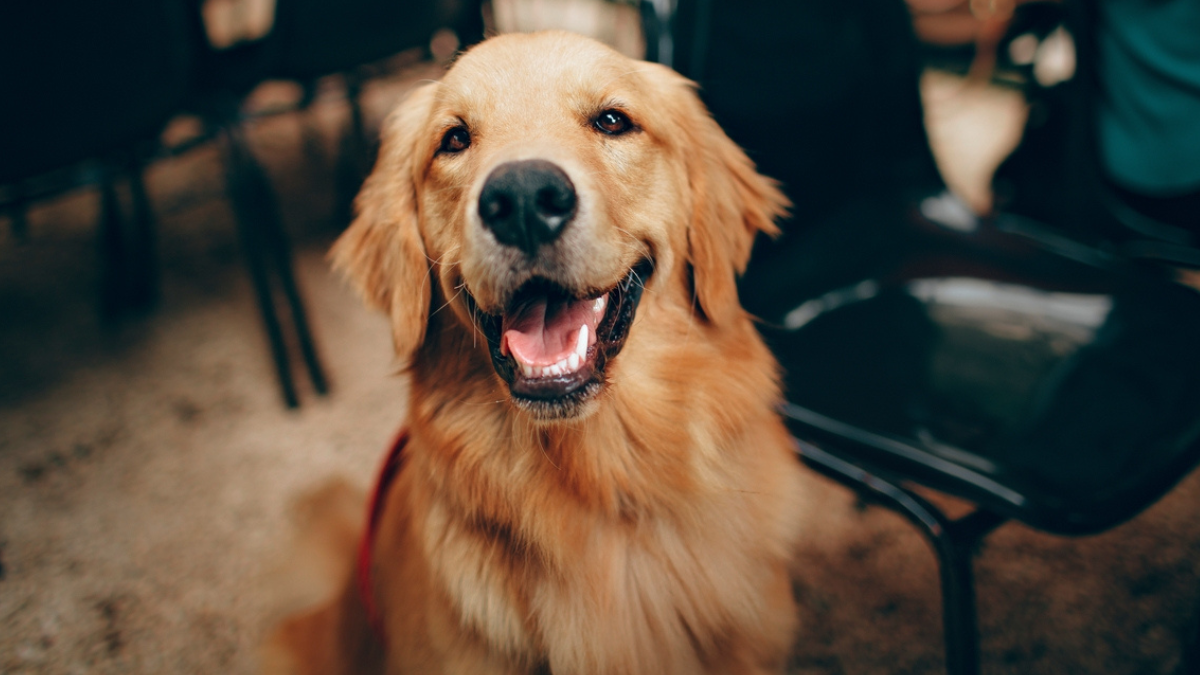

Laura Lee Yourex, 62, from Costa Mesa, California, set out to expose what she believed were flaws in the state’s voting system by registering her dog, Maya, to vote in the 2021 California gubernatorial recall election and the 2022 primary. Yourex has since been caught and pleaded guilty to the misdemeanor of registering a non-existent person to vote.
Under California law, a person must submit an affidavit of registration that includes identification information, residence, mailing address, political affiliation, date of birth, and certification of U.S. citizenship. Critically, if any of that information is falsified, the voter must also sign a document acknowledging they can be prosecuted for perjury.
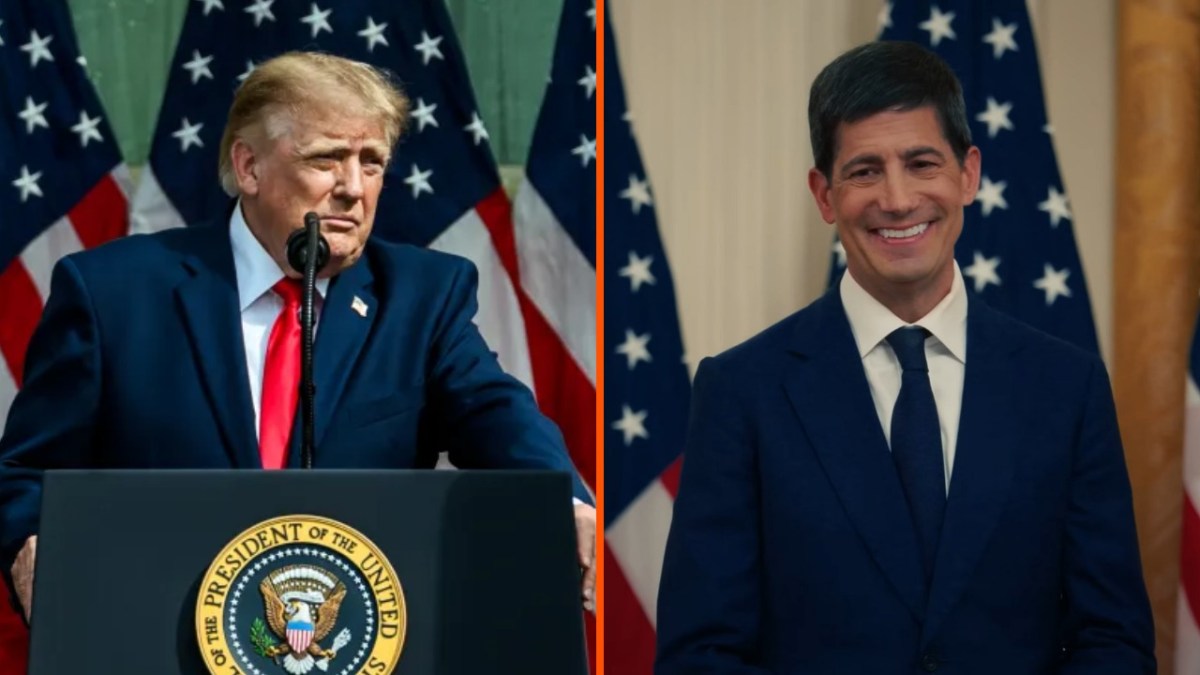
Of course, the President has been pushing a narrative that loopholes in this system could lead to mass voter fraud, even attributing his 2020 election loss to Joe Biden to such claims. He ultimately pardoned the Jan. 6 rioters, framing their actions as a fight for election integrity. Donald Trump’s claims, however, have been widely disproven.
Still, Yourex was intent on making the same point — using her dog. According to The Independent, her attorney, Jamie Coulter, said, “Laura Yourex sincerely regrets her unwise attempt to expose flaws in our state voting system, intending to improve it by demonstrating that even a dog can be registered to vote.” The attorney continued, “Ms. Yourex never hid from taking personal responsibility, as she self-reported the matter.”
In January 2022, Yourex even posted about the stunt on social media. Reports say she shared a photo of her dog with a sticker reading “I voted.” In 2024, even after Maya had died, Yourex posted another image — this time of the dog’s tag alongside a vote-by-mail ballot — with the caption, “Maya is still getting her ballot.”
By that point, the Department of Justice had opened an investigation, and by 2025 authorities said they had gathered sufficient evidence to pursue prosecution.
Janet Nguyen, an Orange County supervisor, pointed to this case as a wake-up call for California. She said, “The fact that a dog can register and vote twice tells you the system is not working, and it’s broken. If we can cross-reference addresses and names, if there’s something suspicious, we can say, ‘Wait a minute. Let’s flag this.’”
A Chapman University law professor, Nahal Kazemi, disagreed. She argued that the case actually shows the system working as intended. “At least the second time the dog’s vote was cast, it was identified as an ineligible voter. That’s what we expect to see,” she said. “To treat [voter fraud] as the biggest problem in our electoral system is misguided.”
Voting rights will always be up for debate. Human nature almost guarantees there will be bad actors in any system. The argument, then, tends to split between those who believe those bad actors should be the primary focus, and those who believe protecting voter rights should take precedence. As things stand, voter rights still come first.
The concern, as always, is what happens when isolated cases like this are used as justification to roll those rights back.





Published: Apr 23, 2026 12:49 pm