


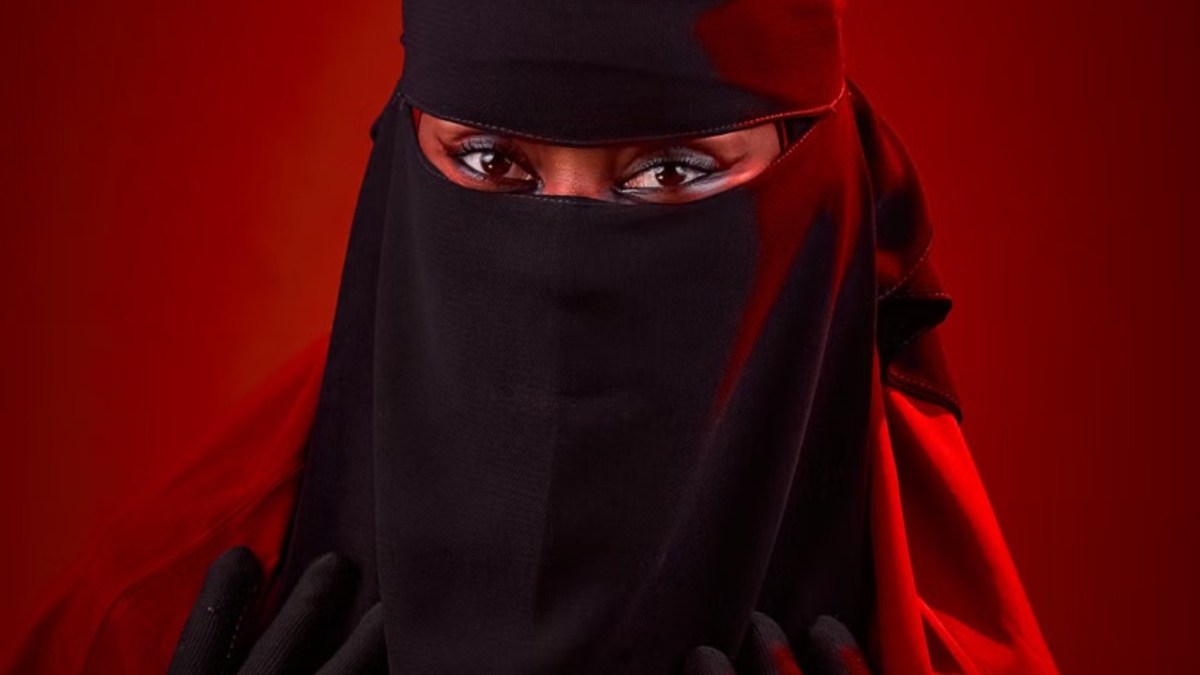

Two men known for online content arrived at Minnesota polling sites during the August primary dressed in burqas and speaking with fake accents. James O’Keefe and Cam Higby said the appearance was meant to draw attention to a state rule, according to Mediaite. The rule lets one person vouch for as many as eight people who are not yet registered. Those people can then vote without presenting identification.
Hennepin County Attorney Mary Moriarty said on Wednesday that the pair now faces felony charges of unlawful voting and identity theft. O’Keefe is 42 years old and Higby is 26. Moriarty described a group that tried to raise questions about the vouching system on primary day by posting their own videos online.
The men later shared video of the visits. Moriarty alleged they had used the names of people who were already registered, and that those people did not know. She contended the men still violated the law even though they never signed the oath that every Minnesota voter is given.
County attorney and fundraiser statements after the charges
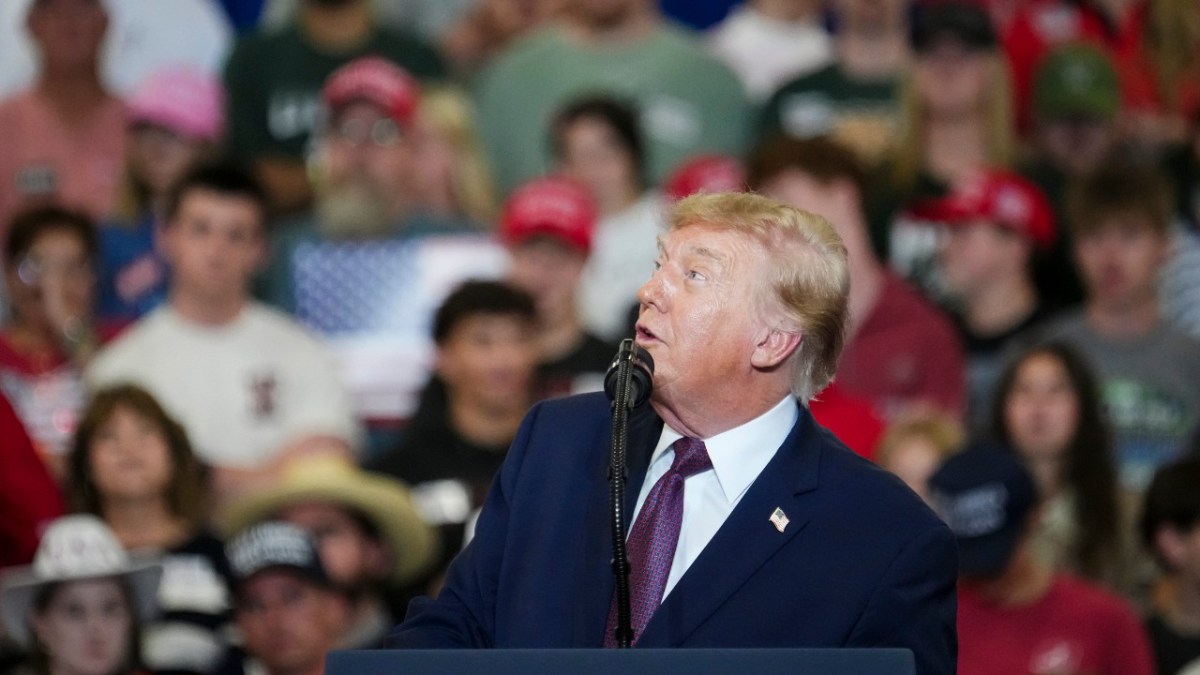
“Minnesota law states clearly that no individual will misrepresent their identity in applying for a ballot,” Moriarty said. She added that the charges were “appropriate to address the conduct.” Attempts to reach O’Keefe and Higby for comment did not succeed right away. Minnesota’s electorate has also drawn national attention, including Trump’s comments about Minnesota voters.
Higby turned to social media and opened a fundraiser on the conservative platform GiveSendGo. He asked for $20,000 to cover legal costs. The page carries the title “Support Cam Higby (Minnesota Burqa Lawfare).”
The description on the page reads, “In August Cam Higby along with James O’Keefe and others highlighted vulnerabilities in Minnesota’s election system on primary day. No laws were broken. Now authorities in Minnesota have filed charges against Higby for highlighting how their system could be taken advantage of.”
It goes on to state, “lawfare [sic] is unacceptable. Help support Higby has he traverses an uncertain future for delivering truth to the American people.” Early Wednesday afternoon, the total stood just above $1,000. Cases like this also raise questions about First Amendment limits on online speech.
O’Keefe has built a reputation with undercover video work. Both men said their steps were taken only to call attention to the vouching provision. Moriarty maintained that the actions still crossed the line against misrepresenting identity when requesting a ballot. “On the day of the primary election, a group of people were attempting to cast doubt on the state’s vouching system by posting videos of themselves on social media,” she said.


Published: Oct 29, 2026 10:30 am