


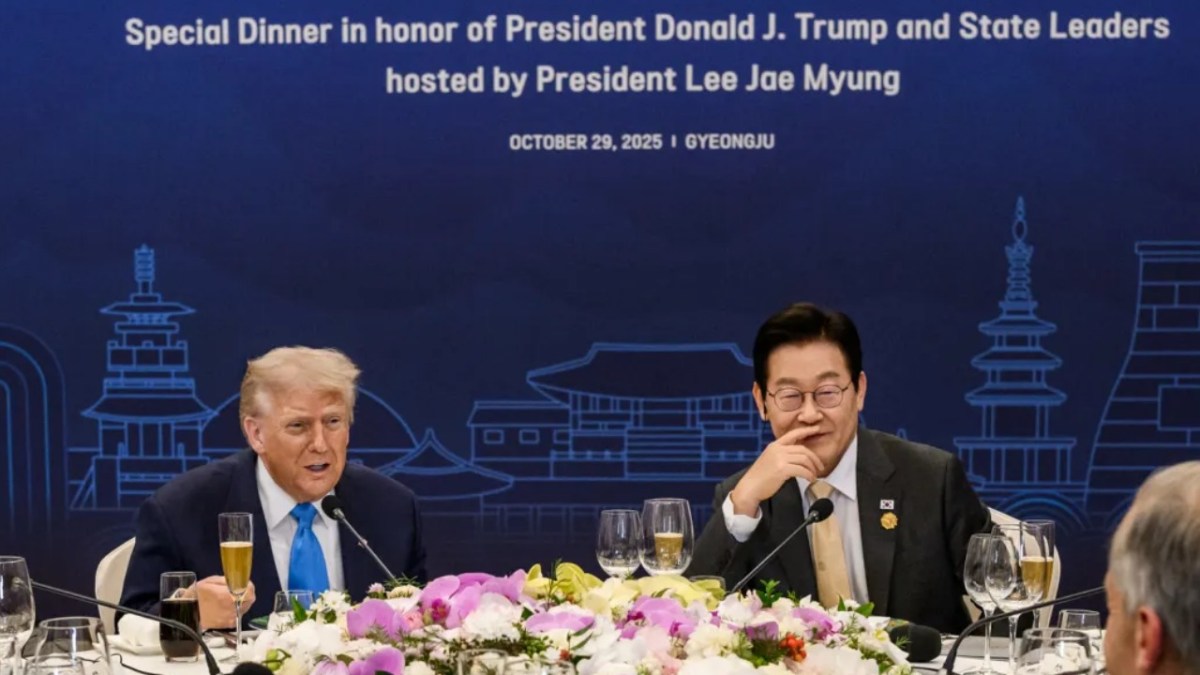

South Korean President Lee Jae Myung said Friday that Seoul will not send troops or military assets into the U.S.-led war on Iran, rejecting weeks of public pressure from President Donald Trump for more international involvement.
The New York Times reported that Lee spoke at a news conference, saying Seoul would stay out of the war but act to protect its own commercial shipping. Per The Guardian, which also covered the announcement, Lee said “There won’t be deployment that would involve or enter war. I can tell you that very clearly,” while adding, “We won’t deploy military assets in any form to that end.”
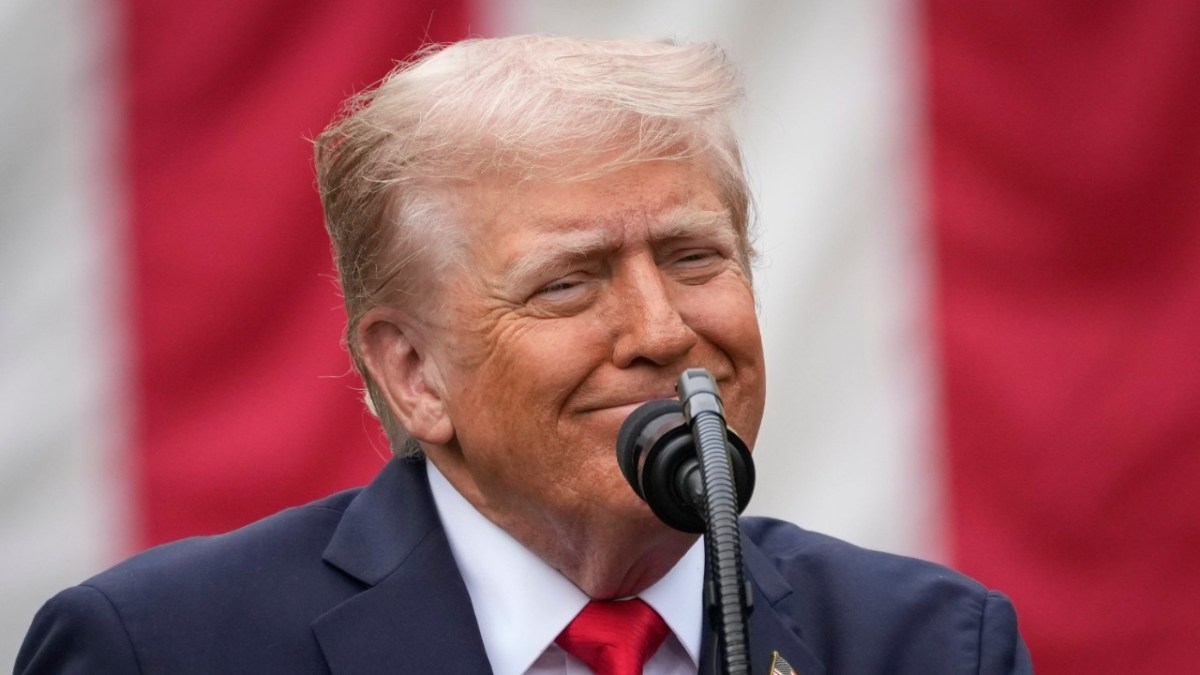
In recent weeks, Trump has publicly criticized Seoul over what he sees as insufficient help defending the Strait of Hormuz, a key route for global oil shipments, and has cited the American troops stationed on the Korean Peninsula. The New York Times reported that Trump described asking Lee for help last month and recalled the reply this way: “He said, ‘No, thanks.’ I see. Well, why are we involved in helping you?”
Holding the line
While Lee is standing his ground against combat participation, he isn’t ignoring the region entirely. Lee said Seoul is weighing a wider role for the navy destroyer and support ships that patrol waters off Somalia on an anti-piracy mission. If they move closer to the Red Sea or the Strait of Hormuz, he said, their job would be limited to protecting South Korean oil tankers and other commercial vessels.
“It is also clear that we must do the minimum as other countries do to protect our commercial shipping and crude shipments, and also the safety of our people,” Lee stated, per The Guardian. He said the ships would stay out of any operation that could be seen as backing the war.
Both outlets noted that the pressure from Washington isn’t just about the Middle East. The relationship between the two allies has been complicated by shifts in military strategy. Trump scaled back annual joint military exercises, calling them “costly” and “totally inappropriate and hostile” toward North Korea.
Trump has also spoken positively about his rapport with North Korean leader Kim Jong Un, and Lee said he believes a meeting between the two could happen in the coming months, though many factors would need to align.
The New York Times reported that at home, Lee is currently facing a tough political environment. His approval rating has dipped to 37%, and he’s dealing with a volatile stock market and rising housing costs. He’s also fighting off accusations from the opposition regarding his political future, specifically claims that he is seeking a constitutional amendment to run for a second term.
The report noted that Lee has flatly denied this, calling it a “political offensive” and saying he has no intention of seeking re-election. Of his low approval ratings, he said, “It’s because of my own shortcomings. I fell short in consideration, sensitivity and communication.”
The economic relationship between the U.S. and South Korea is also in a state of flux. NYT noted that the two nations are in “fierce” negotiations over a deal from last November, where South Korea committed $350 billion in investments in the United States in exchange for lower tariffs on exports like automobiles.
Lee said the main sticking point is the commercial viability of the projects, and that some terms remain difficult for Seoul to accept even as the two sides near an agreement. He reportedly insisted that any investments must be “commercially reasonable” and that both governments need to agree on how to handle potential profits and losses. As he put it, “We should not buckle under pressure or coercion.”
The New York Times reported that Lee must balance the alliance with the United States against public opinion, with 55% of South Koreans opposed to sending troops to the Iran conflict.






Published: Sep 20, 2026 08:15 am