


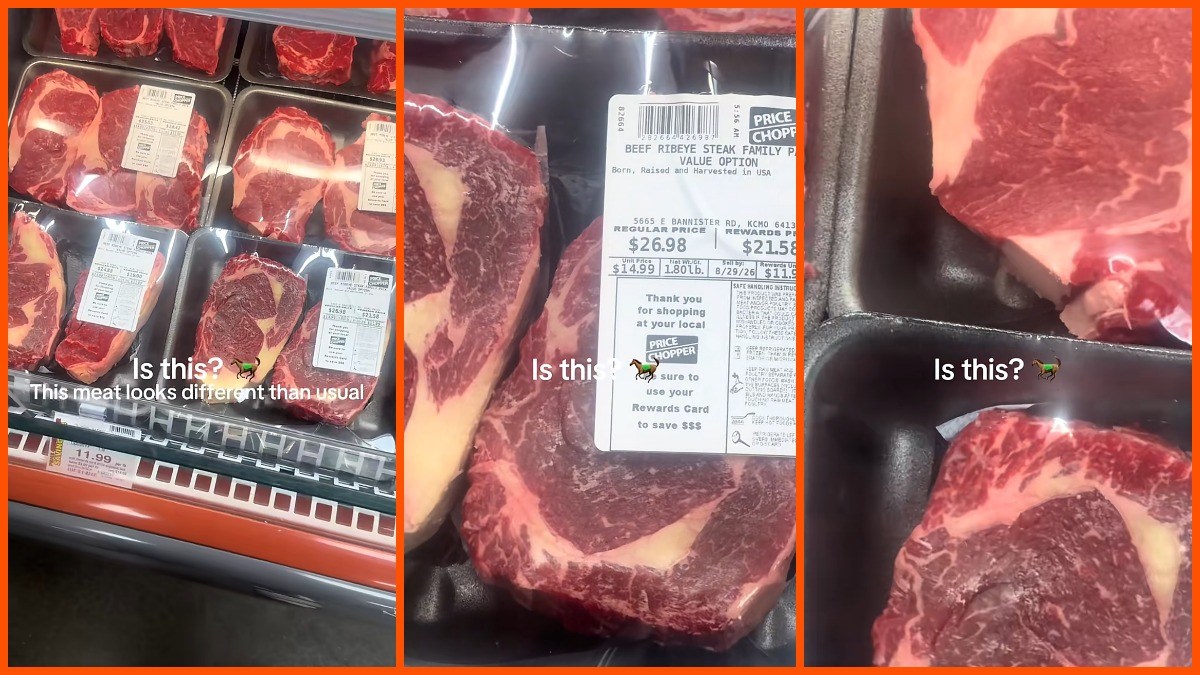

A shopper standing in front of the meat case at Price Chopper picked up a package of boneless ribeye steaks, phone already recording. The label showed a regular price of $26.98, marked down to $21.58 with a rewards card scanned. That’s not what stopped him, though. It was the meat sitting inside the plastic.
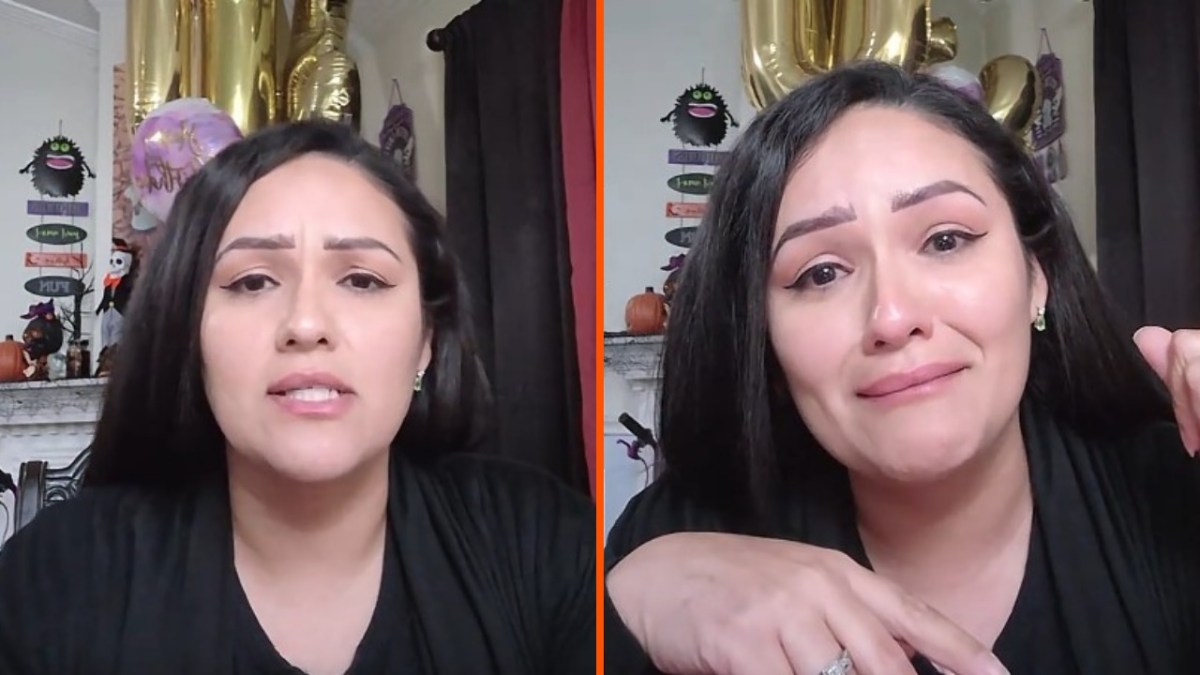
The TikTok, posted by a creator going by Michael, pans slowly across several packages stacked in the case, the camera holding on cuts with unusually heavy marbling and thick seams of fat running through them. Text overlaid on the footage asks variations of “Is this?” next to a horse emoji, and at another point simply states, “This meat looks different than usual.” He doesn’t spell out what he suspects, only the footage is accompanied by the emoji.
Shoppers have been taking a closer look at meat labels lately, whether that’s double-checking a per-pound sale sticker at checkout or, in this case, trying to figure out what they’re looking at inside the package.
The comments had plenty of theories
Comments have been split since. “Dark red meat with yellowish fat IS HORSE MEAT,” a commentator wrote, a reply that pulled in 78,300 likes on its own. Another pushed back just above it: “Google what raw horse meat looks like. It’s not NEARLY that fatty.” A user who described themselves as a grocery store butcher in Northern Vermont offered a plainer read, saying the fattier cuts showing up lately are “not actual horse meat,” but “scraps and trim pieces” from Argentinian beef cattle.
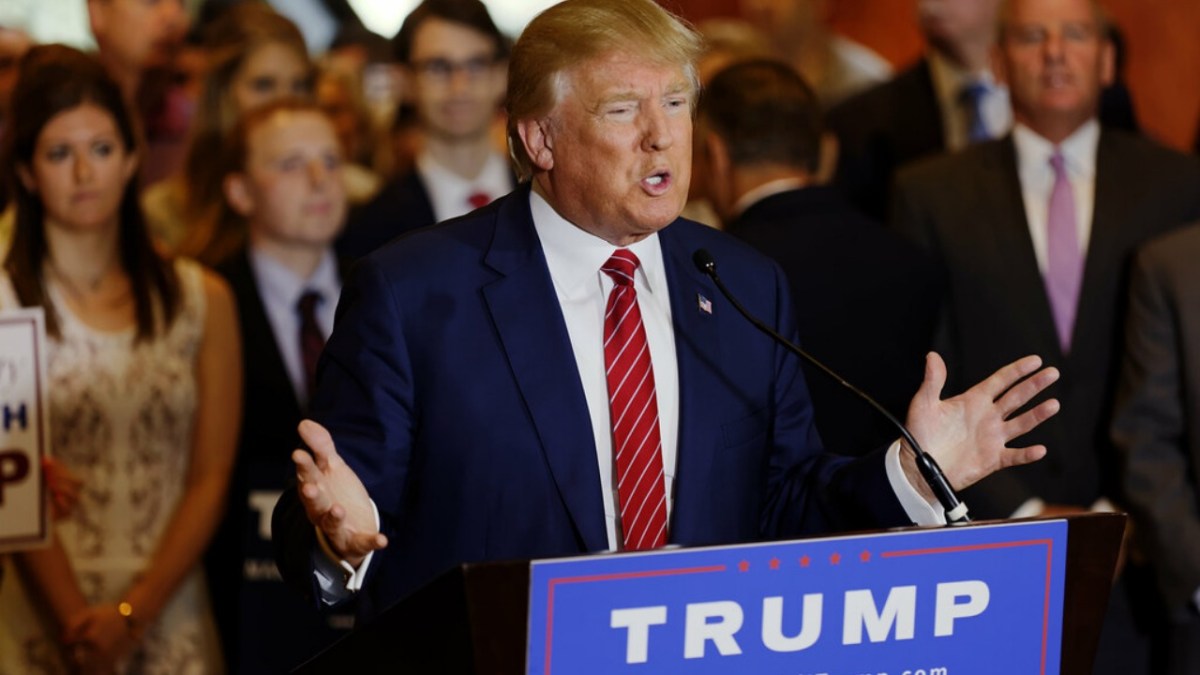
That claim is where the comments start getting ahead of what anyone can actually verify. Argentina has become part of the conversation around beef imports this year after the Trump administration expanded access for imported lean beef trimmings in an effort to bring down ground beef prices.
But a recent NewsNation check found no evidence that Argentine beef is secretly horse meat, noting that separate stories about beef imports and horses being sent to foreign slaughterhouses had been folded together online. The check also notes that selling horse meat as beef would violate federal misbranding law.
Questions about strange-looking finds in the meat case have surfaced elsewhere too, including when another shopper recently filmed what they believed looked like a claw inside a package at Hy-Vee. For now, the video has left commenters debating what they believe they’re seeing, with no follow-up from Michael identifying where the steaks came from.







Published: Aug 31, 2026 08:20 am