


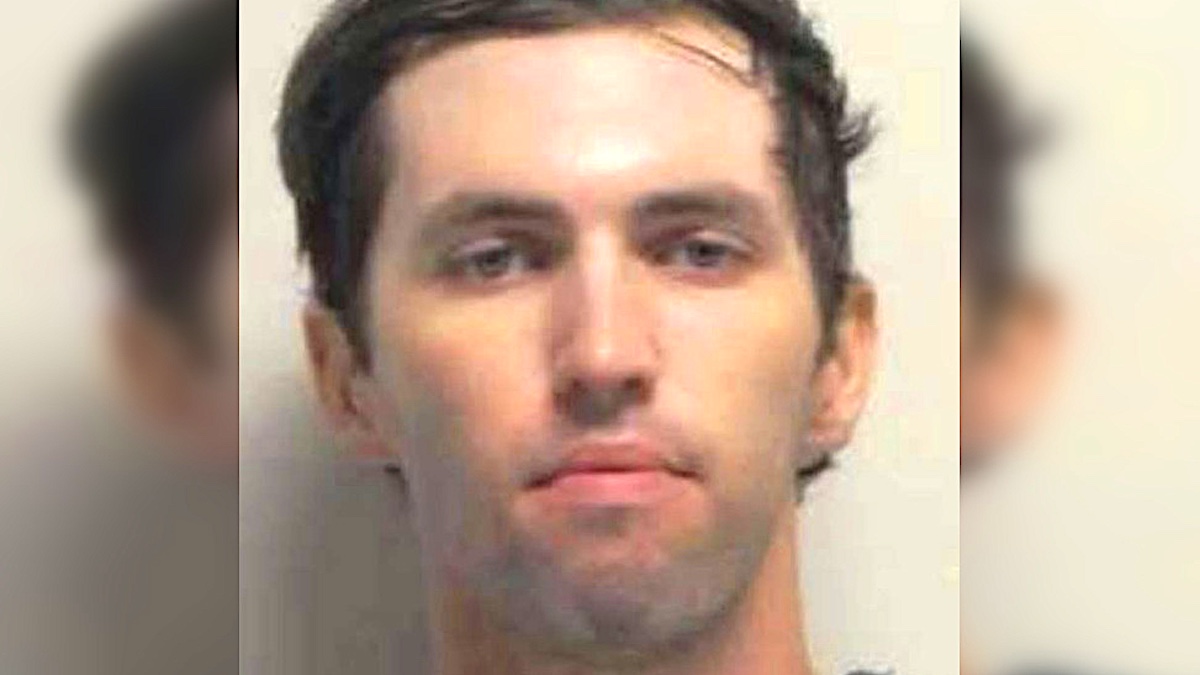

In a packed courtroom filled with emotion, a Utah judge ruled Tuesday that 23-year-old Tyler Robinson will stand trial for the assassination of conservative commentator Charlie Kirk. Following an intense preliminary hearing, Fourth District Court Judge Tony Graf determined that prosecutors had presented a “mountain of evidence” that was enough to move the high-profile case forward to a full criminal trial.
Robinson, who pleaded not guilty to all seven counts against him, now faces aggravating circumstances that could result in the death penalty by firing squad if he is convicted.
The ruling marks a major milestone nearly one year after the shooting that shook the national political landscape. On Sept. 10, 2025, Kirk, the 31-year-old founder of Turning Point USA, was killed while debating a crowd of students at Utah Valley University (UVU). Robinson quickly became the prime suspect, and since then, the case has been surrounded by a complicated legal battle and conspiracy theories about political violence in the U.S.
The alleged motive was the biggest point of contention
According to the New York Post, during the multi-day preliminary hearing in Provo, state prosecutor Ryan McBride walked the court through what prosecutors say happened on the day Kirk was killed. The state’s case rests on digital forensics, ballistics evidence and witness testimony.
Prosecutors allege Robinson spent time scouting the UVU campus before driving to the venue and finding a concealed spot on a nearby rooftop. From there, he allegedly aimed a rifle toward the crowd and fired the shot that killed Kirk.
McBride presented video evidence showing Robinson’s movements, along with physical evidence recovered from the rooftop. Forensic analysts testified that DNA matching Robinson was found on the abandoned rifle and a screwdriver left behind at the scene.
The prosecution also introduced private communications between Robinson and his romantic partner, Lance Twiggs. The state showed text messages in which Robinson allegedly discussed the killing after leaving the campus. The court also viewed recorded testimony from Twiggs, who described an emotional confrontation in which Robinson reportedly broke down and confessed to the assassination.
But it was Robinson’s alleged motive that became one of the biggest points of contention during the hearing. Prosecutors argued that Kirk was targeted because of his public advocacy for traditional conservative principles, nuclear family structures and conventional marriage.
McBride argued that those views were deeply offensive to Robinson. “We know what ideas Kirk stood for, and those ideas were repugnant to the defendant,” McBride told the courtroom. He also pointed to Twiggs’ consideration of a gender transition.
Defense attorneys Staci Visser and Richard Novak pushed back against that argument. Novak accused the state of trying to fill a major gap in its case by creating a political hate motive that had not been proven.
The prosecutor say he showed a flagrant disregard for human life
The death penalty was another major issue during the hearing. Prosecutors pointed to aggravating circumstances including what they described as a flagrant disregard for human life and the fact that children were in the area at the time.
The defense, however, argued that firing a single shot at a specific target does not meet the legal threshold for creating a “high probability” of mass civilian casualties or bystander deaths.






Published: Sep 2, 2026 09:39 am