


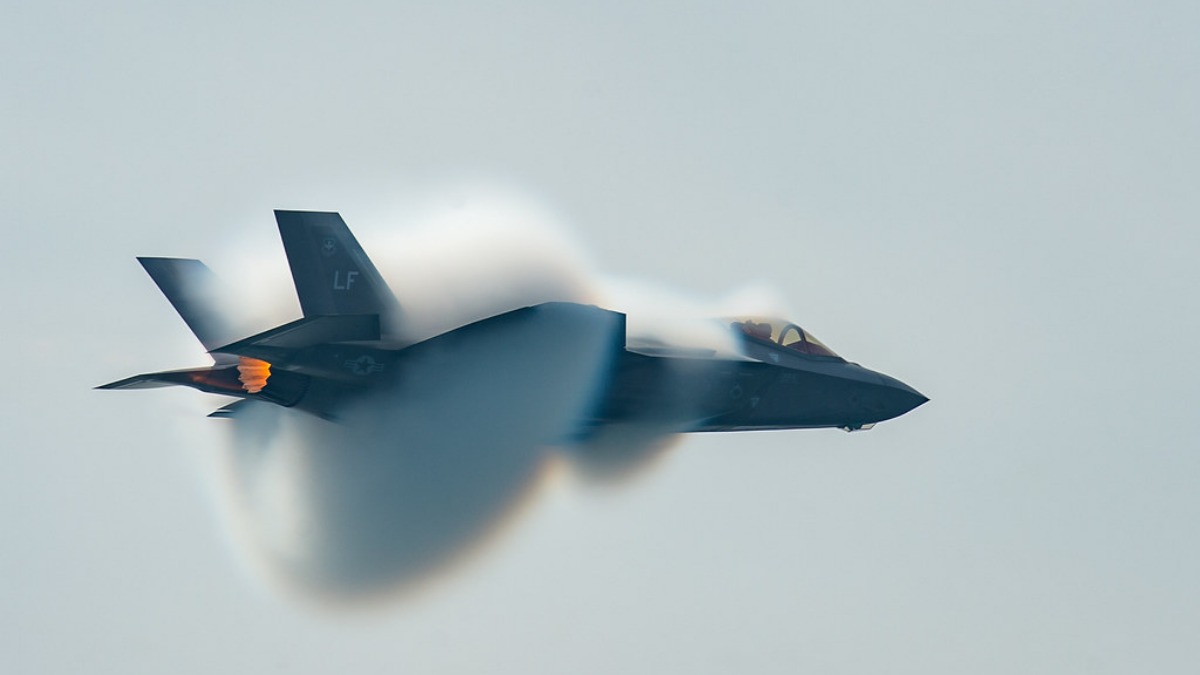

Iran has claimed it shot down a second US F-35 fighter jet over central parts of the country, and says the pilot is unlikely to have survived. Khatam al-Anbiya Headquarters Spokesman stated that “A second US fifth-generation F-35 was struck and downed over central Iran by a new IRGC Aerospace Force air-defence system. Given the massive explosion on impact and during the crash, the pilot is unlikely to have ejected.”
According to The Hindustan Times, the Iranian consulate in Mumbai shared a video on X with the caption: “Another enemy F-35 hit and downed by our #indigenous defence systems. Iran is a force to be reckoned with.” This is not the first such claim; on March 19, Iran said it had become the first country in the world to shoot down a US F-35 Lightning II.
These claims come as tensions in West Asia continue to rise sharply. Iranian drones recently targeted Kuwait’s Mina al-Ahmadi oil refinery, causing significant fires. State-run Kuwait Petroleum Corp. confirmed the attack and said firefighting teams were deployed. No injuries were reported. Iran also fired missiles at Israel and several Gulf nations, while explosions were heard in Tehran and the central Iranian city of Isfahan.
The US is hitting back hard while global oil supplies hang in the balance
President Donald Trump said in an address on Thursday that US forces will continue to hit Iran “very hard” in the next two or three weeks. He also posted on Truth Social that US forces had struck Iran’s largest bridge, framing it as a warning to Tehran to accept his proposed peace deal.
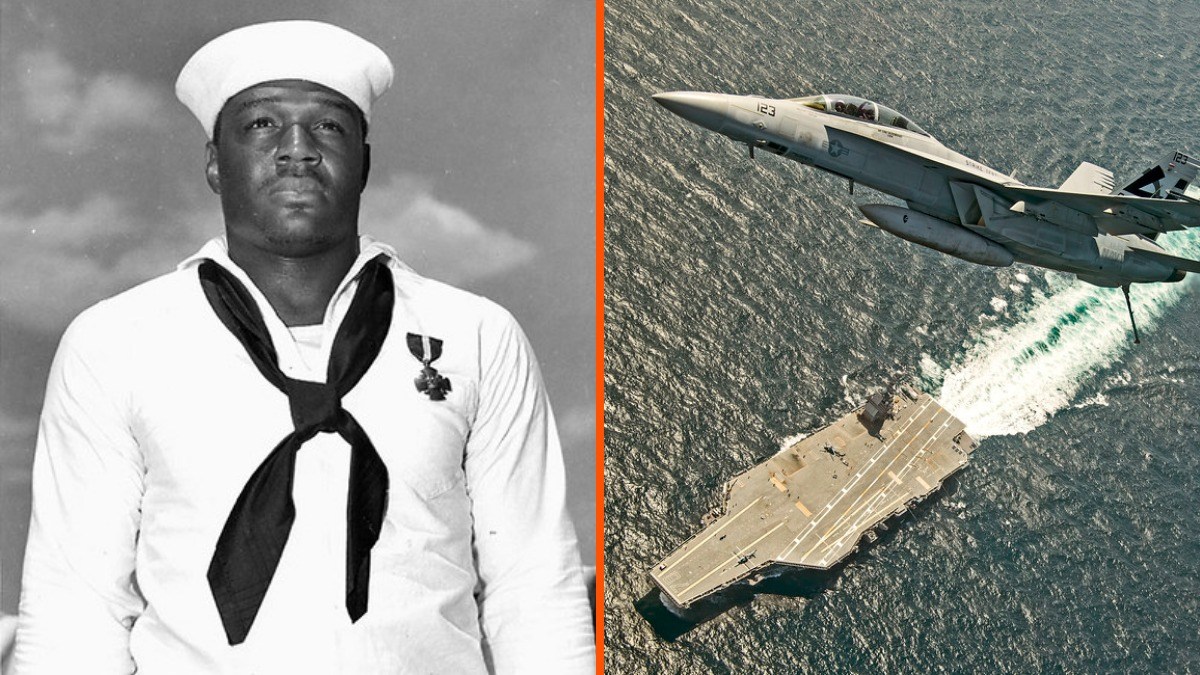
Reports have also emerged about the Pentagon planning weeks of ground operations in Iran, raising further questions about how far the US intends to take this conflict. The Navy’s 6th Fleet also announced that the largest American aircraft carrier in service has sailed out of Split, Croatia, and “remains poised for full mission tasking in support of national objectives in any area of operation.”
Iran has increased its attacks on Gulf region energy infrastructure and tightened its grip on the Strait of Hormuz, sending oil prices sharply higher. The strait is a critical passage, with a fifth of the world’s oil and natural gas moving through it during peacetime. Any disruption there carries serious global economic consequences.
According to The Times of Israel, Iran has also issued a warning to the UN Security Council against any “provocative action” regarding the Strait of Hormuz. Iranian Foreign Minister Abbas Araghchi stated that “Any provocative action by the aggressors and their supporters, including in the UN Security Council regarding the situation in the Strait of Hormuz, will only complicate the situation.”
This came ahead of a scheduled Security Council vote on a draft resolution that would authorize a force to protect shipping through the strait. The draft resolution, put forward by Bahrain, proposes allowing “defensive” force to protect shipping in Hormuz from Iranian attacks.
The US and affected Gulf countries have backed it, but Russia, China, and France have raised objections. The vote was initially set for Thursday but has since been postponed, with sources indicating it is now expected to be held on Saturday.
Former CIA director Bill Burns described the US-Israeli war against Iran as “a war of choice” and suggested it may have strengthened the most hard-line elements within Iran’s leadership. There are also growing concerns about who is financially benefiting from the Iran conflict, with questions being raised about large sums of money moved just before key policy shifts.
Burns, who previously negotiated secretly with Iran ahead of the 2015 nuclear deal, shared his views on a Foreign Affairs Magazine podcast. He said Iran is “a regime that is inept at many things like managing its economy, but it is designed to preserve itself and designed to repress its own people and designed to withstand even the decapitation of its senior leadership.”








Published: Apr 5, 2026 12:54 am