


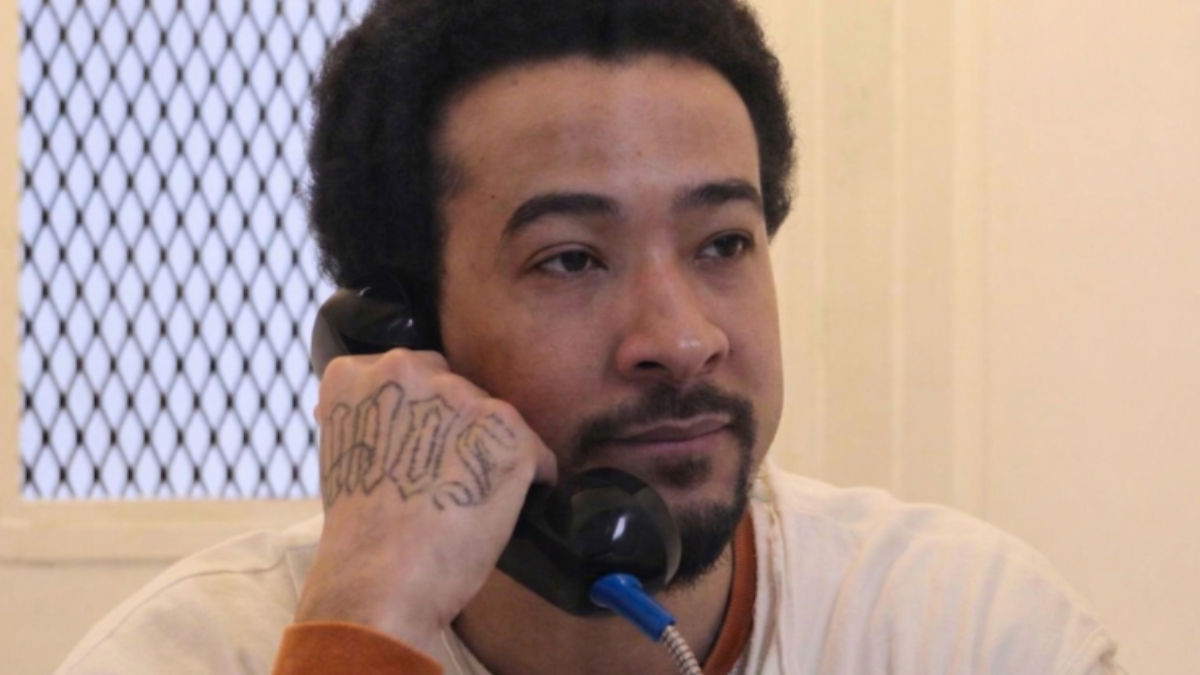

Hip-hop lyrics have increasingly been introduced as evidence in hundreds of court cases across 40 states in the United States. Dallas artist James Broadnax, 19, is the latest in a long list of rappers who have been convicted (and in his case sentenced to death) partly because his lyrics suggested a link to gang affiliations and shootings.
Hip-hop is not the only art form that can be considered violent. You could easily make the same argument about Martin Scorsese’s filmography, but somehow juries across America have been treating hip-hop lyrics as confessions for years.
Erik Nielson, co-author of the book Rap on Trial, said, “It denies rap music the status of art. It is characterized as an autobiography. It really does speak to underlying assumptions that some people have about young men of color — and that’s almost exclusively who this practice targets — that they aren’t sophisticated enough to engage in various literary devices. That there isn’t metaphor here.”
“Characterized as a straight-up confession”
Nielson pointed out that rap lyrics have commonly been used as primary evidence in racketeering and gang-related cases: “If the lyrics were written before the alleged crime, prosecutors will say this is evidence of motive. If they’re written afterward, they’re characterized as a straight-up confession.”
Jay-Z has had his own experiences with the justice system and has argued that rap lyrics are creative expressions that should be treated strictly as storytelling and hyperbole. Broadnax argued, “The emphasis on the rap lyrics was a key element in this racially charged narrative. Worse, the record in this case confirms that the jury delivered a death sentence based on the racial stereotypes invoked by the rap lyrics.”
In recent racketeering cases like Young Thug’s — where rap lyrics were used as evidence in his long-running case before he was ultimately sentenced to a 15-year strict probation — Nielson continued his argument, saying that 50 years of hip-hop culture has been distorted by the “targeting” of artists.
Jaeah Lee, a journalist working for The New York Times, researched how often art has been used as evidence since 1950 and found only four cases. Three of those cases were later thrown out of court, and the one that led to a conviction was eventually overturned.
That’s not to say that Broadnax was ultimately innocent. But relying on creative expression as evidence is starting to look shaky. Jeff Bellin, a professor at Vanderbilt Law School, said, “Guidelines about what is relevant when it comes to artistic expression and what is overly prejudicial are so needed. The safeguard should be judges, but they are often not aware of the social issues or the context when it comes to rap lyrics.”






Published: Apr 28, 2026 05:23 am