


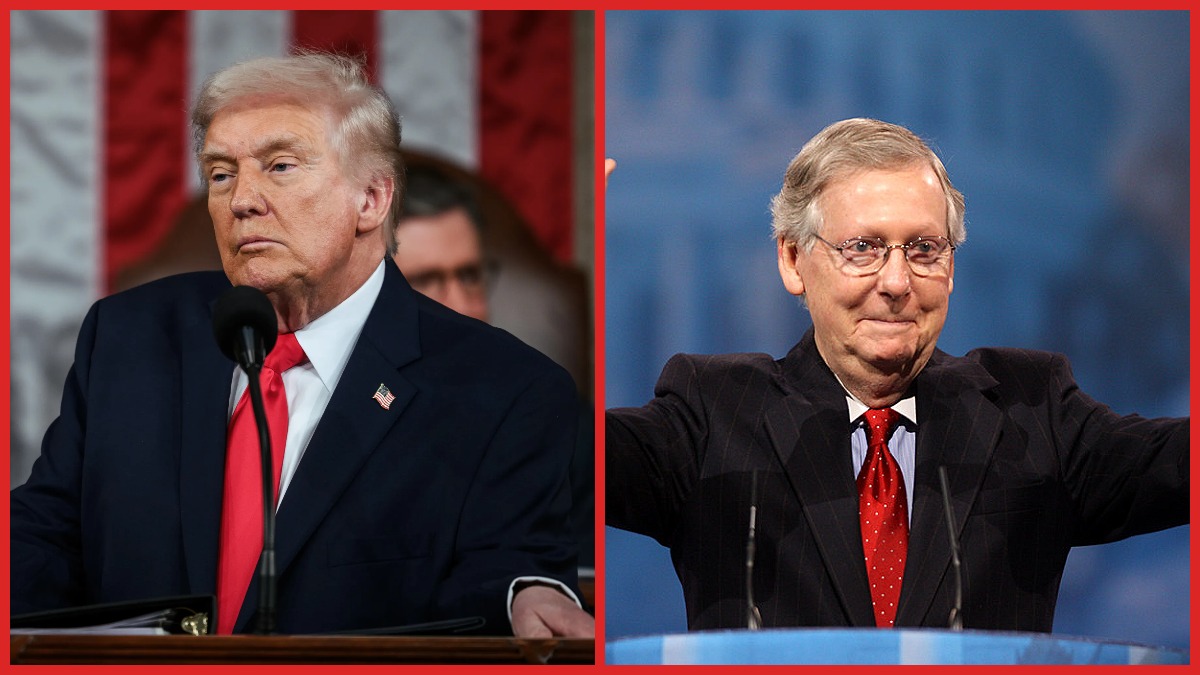

President Donald Trump’s $1.776 billion “anti-weaponization fund” has sparked major controversy across the United States, drawing sharp criticism from both Republicans and Democrats. The fund was created as part of a settlement with the IRS and is meant to compensate individuals who claim they were unfairly targeted by the federal government.
The fund has notably united Republican lawmakers against Trump, with many questioning his motives. Senate Minority Leader Mitch McConnell has come out strongly against it, calling it a “slush fund” that will be used to pay off Trump’s political allies. Oregon Senator Ron Wyden described it as a “brazen theft of taxpayer dollars,” adding that American taxpayers deserve better than having their money handed out with no accountability.
Massachusetts Senator Elizabeth Warren went even further, calling it a “$1.7 BILLION slush fund for Trump’s hand-picked stooges to hand money to January 6th insurrectionists and his political allies.” According to Mediaite, constitutional lawyer Bruce Fein has also criticized the fund, calling it a “bogus settlement of concocted legal claims” that would “never be approved” by an independent judge.
The Trump administration’s defense of the fund falls flat for many lawmakers and legal experts
The Trump administration has defended the fund by comparing it to one set up during former President Barack Obama’s administration. Critics, however, say this comparison is misleading. Unlike the Keepseagle settlement, which provided compensation to Native American farmers and ranchers through a proper legal process, this new fund will operate largely without any judicial oversight.
This is just one of several areas where Trump’s actions have drawn scrutiny, as seen in his push to investigate Maryland mail-in ballots. The lack of oversight is one of the biggest concerns lawmakers have raised. Many are now calling on Congress to step in and block the fund before any money is paid out.
The combination of its massive size, its questionable legal basis, and the absence of independent review has made it difficult for even Trump’s own party members to support it. Several Republican senators have said publicly that they were not consulted before the fund was announced, which has only added to the frustration within the party.
The controversy also highlights a broader concern about how taxpayer money is being managed under the current administration. With no court approval required and no independent body checking who receives payments, the fund gives the Trump administration wide and largely unchecked authority over who gets compensated and how much, reports Al Jazeera.
Critics say this kind of unchecked power sets a dangerous precedent for how future administrations could handle similar situations. The size of the fund itself, $1.776 billion, has raised serious questions about whether the claims it is meant to address are legitimate enough to justify such a large payout.
Many lawmakers on both sides of the aisle believe the amount is excessive, especially given the lack of transparency around how the settlement figure was reached. Trump has also been making headlines for other reasons lately, including his much-talked-about battle with hair loss. As the debate continues to grow, it remains unclear how Congress will respond or whether any legal challenges will be mounted against the fund.
Some legal experts believe a court challenge is likely, given the questions surrounding how the settlement was reached and approved. What is clear is that the controversy has created a rare moment of bipartisan pushback against Trump, with Republican senators joining Democrats in voicing strong opposition to a sitting president from their own party.









Published: May 22, 2026 03:51 pm