


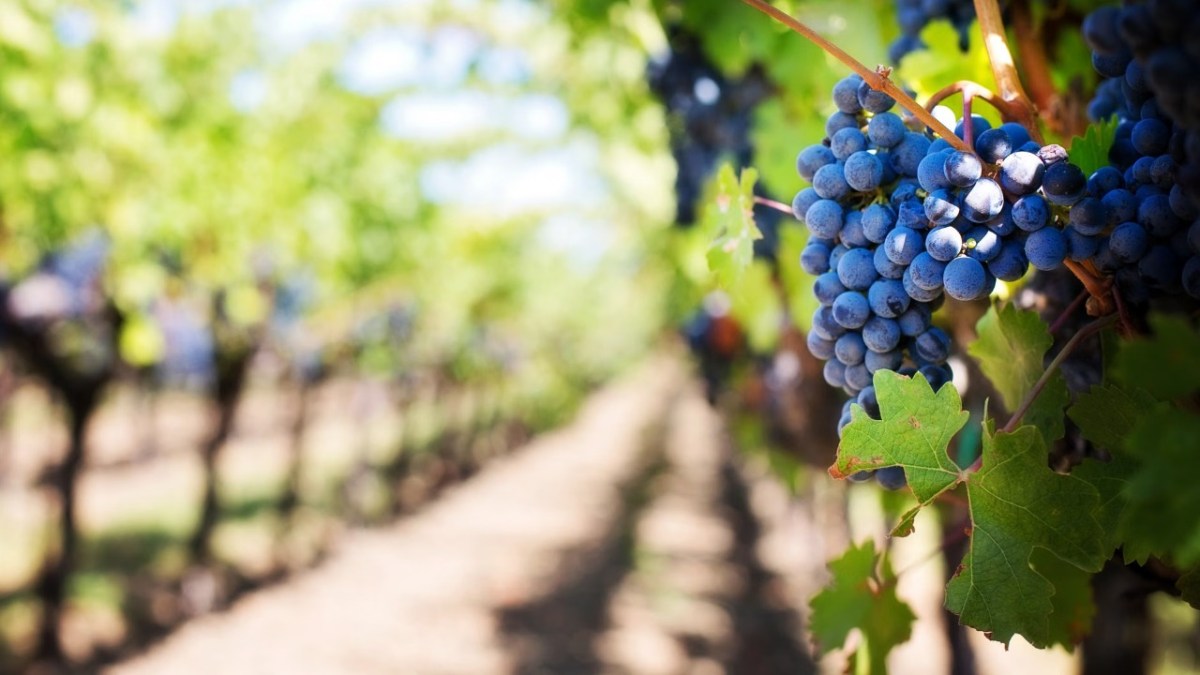

California wine country is currently facing a difficult harvest season as shifting consumer habits cause demand to plummet, KQED reports. Growers across the state are struggling to sell their crops, leading many to remove vineyards that have been in their families for generations.
The numbers behind this shift are quite stark. Wine sales have dropped by more than 20% over the last five years, which has driven down the prices paid for grapes. In response, California farmers have taken roughly 25% of the state’s total vineyard acreage out of production. This represents a massive change for an industry that saw its sales peak during the pandemic in 2021, when people were spending more time at home.
Jeff Bitter, the president of Allied Grape Growers, noted that at the peak of the pandemic, California had nearly 600,000 acres of vineyards. Now, about half of the state’s wine grape crop has entered the harvest season without any contracts from buyers. Typically, this number sits between 70% and 80% for contracted crops.
Global consumption is also down, which makes it harder to export the excess inventory
Bitter explained that even with tens of thousands of acres being removed, there is still an oversupply of grapes. He said, “The market is just so depressed that it’s difficult to grow them profitably. Demand is not going up. It’s still continuing to decline.”
For growers like Bill Berryhill, a third-generation farmer near Lodi, the situation is personal. He owns Berryhill Family Vineyards and currently cannot find buyers for 200 of his 500 acres. He plans to remove 50 acres once the season concludes. “I will lose money for sure. It’s just a matter of how much,” Berryhill, 68, said. “This has been a big loser for three years now.”
Standing in a vineyard of unsold merlot, he described the frustration of having to drop healthy fruit on the ground. “It’s just sickening,” said Berryhill. “You raise a beautiful crop, and it’s really a nice vintage this year, and you drop it on the ground. It’s sad. All your work is just down the toilet.”
The ripple effects of this downturn extend far beyond the vineyard owners. Kyle Collins, an operations manager with Allied Grape Growers, pointed out that the lack of buyers affects the entire local economy. “Unfortunately, we do not have a buyer for these grapes,” Collins said. “That’s unfortunately a reality for not just this vineyard but a lot of us around here.” He emphasized that the financial strain hits the field laborers and farmworkers, which creates a trickle effect throughout the region.
Several factors are driving this decline. Younger generations are drinking less alcohol due to financial and health concerns, while the baby boomer generation is aging out of the market. Wine is also facing intense competition from canned cocktails, craft beer, liquor, and cannabis. As Berryhill put it, “The kids just aren’t drinking as much. And it’s not just wine, it’s whiskey and beer and everything. And then you’ve also got the competition with all the seltzers.”
Lower global consumption also makes it harder to export the excess inventory. According to the International Organization of Vine and Wine, global wine consumption declined 2.7% from 2024 to 2025. With tariffs affecting exports to major markets like Canada, California growers are stuck with too much supply.
Rob McMillan, chief wine strategist at First Citizens Bank, noted that the industry must work to balance supply and demand while identifying what future consumers actually want. Despite the losses, Berryhill remains committed to his family legacy.
“I love growing grapes. It’s in the blood,” Berryhill said. “Because I love them, I can weather this and I’ll fight through it.”








Published: Sep 29, 2026 03:03 pm