


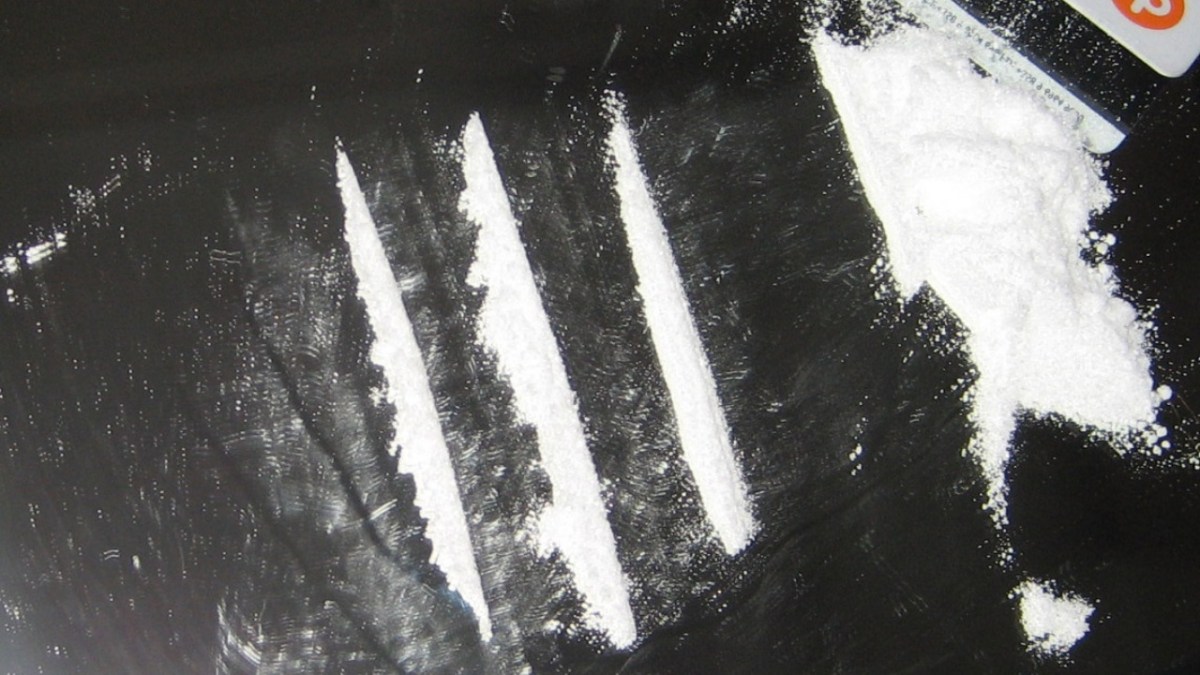

A massive amount of cocaine held as evidence at the Suva High Court in Fiji has been swapped for flour, leaving authorities to account for 39 kilograms of missing narcotics, ABC News reports. This haul could be worth as much as $15 million on the street, depending on the purity of the product.
The situation came to light when authorities attempted to destroy the evidence earlier this month. It turns out that 32 kilograms of cocaine linked to the case of Fiji-Canadian national Joshua Aziz Rahman were missing, following an earlier report from Fiji Village that 7 kilograms had already disappeared. The Fiji Police confirmed the tampering on Tuesday afternoon after forensic tests on the remaining substances returned negative results for cocaine.
The police statement was clear about the scope of the problem. “The exhibits were all tampered with, and the investigation is focused on those directly charged with the management of the exhibits at the High Court Registry,” the statement said. They also noted that a person of interest is currently overseas and will be questioned regarding the incident.
This long-running drug trafficking trial has now turned into a full-blown investigation into internal corruption
This case has been a legal rollercoaster for Joshua Aziz Rahman, who was originally convicted in 2021 and sentenced to 23 years in prison. He managed to walk free in February 2026 after a successful appeal, but the public prosecutor fought back, won the appeal, and saw the conviction reinstated. He is now back in jail, but the evidence that should have been secured for the duration of these proceedings has vanished. In Fiji, it’s standard practice for evidence to remain in the courtroom until the entire appeal process wraps up.
This incident is particularly concerning because Fiji has become a major hub in the Pacific drug crisis. There are clear links to international trafficking operations, including connections to Australia that have been uncovered in recent investigations. The government has already taken drastic steps to address issues within its ranks, with Prime Minister Sitiveni Rabuka disbanding the national narcotics bureau last year. That decision followed a period where 27 officers were taken to court for drug-related offenses over three years.
Responsibility for the security of these items remains a point of contention. While the Office of the Director of Public Prosecutions has pointed toward the police regarding the storing and securing of drugs, the police have maintained their stance on institutional integrity.
Fiji Police Assistant Commissioner Mesake Waqa previously addressed the broader issue of internal misconduct. “Corruption is something that has challenged us for quite some time,” he told the Foreign Correspondent program. He also added, “We have officers who have crossed the line, and we have been transparent about it; in every case that is reported to us, we will investigate it.”








Published: Sep 30, 2026 04:28 pm