


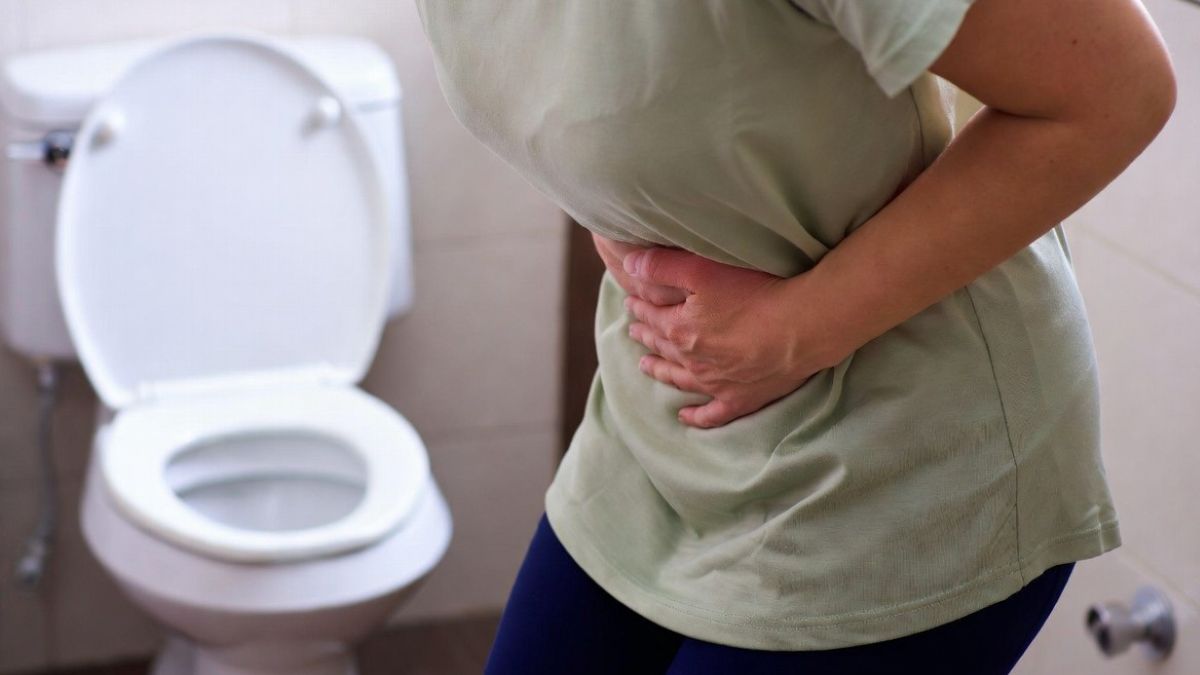

Tens of thousands of Americans have unwillingly had a painful education about Cyclospora over the summer. Cases of cyclosporiasis, the condition caused by the foodborne parasite, have skyrocketed in 2026, with the CDC confirming 17,180 laboratory-confirmed cases across 48 states since May 1, 2026.
Many now have first-hand experience of its symptoms, which include (as per the CDC) watery diarrhea, cramping, nausea, vomiting, fatigue, fever, and increased gas. The main driver of the outbreak was ruled to be contaminated processed iceberg lettuce from Taylor Farms de Mexico, which was supplied to multiple restaurants.
A recall was conducted, though this and multiple other food crises have raised serious questions about how safe the American food supply really is. But those answers may be a little further away than they should be, as the Trump administration has reportedly shut down cyclospora research projects.
“There will be a big knowledge gap”
A report by Politico says two of the three Agriculture Department projects on cyclospora were already defunded by Congress in early 2026. The final remaining project is still technically ongoing, though it has been ordered to move from Maryland to Iowa later this year. However, every scientist working on that project has declined to relocate, so its future is currently unclear.
The move is reportedly based upon the Trump administration deeming the DC-area Henry A. Wallace Beltsville Agricultural Research Center (BARC), also known as the National Agricultural Research Center (which received a $32 million renovation in 2022), where critical food safety, agricultural, and animal health studies are performed, as “too expensive to keep open”. The USDA blames Congress for forcing their hand on the decision, but insists that “None of the research has been disrupted.”
Politico describes this as a “hollowing out” process that those involved expect to damage food safety research. Despite cyclospora making headlines across America, there are still huge open questions that could prevent further outbreaks, and the research shutdown means, as one USDA employee is quoted as saying: “They will have no parasitologists. There will be a big knowledge gap.”
Politico quotes Barbara Kowalcyk, an associate professor at George Washington’s Milken Institute of Public Health, as wondering how they’re intending to move the dangerous pathogens stored at BARC: “The food safety lab at BARC [has] isolates that are in minus 80 degree freezers that they’re going to have to figure out how to transport. Do you want them shipping highly pathogenic strains of bacteria in a truck across the country?”
The upshot of all this is that after a summer in which Americans are understandably alarmed about cyclospora food contamination, there is currently no research underway on how to prevent this from happening in the future, and it’s unclear when and how it could begin again.






Published: Aug 31, 2026 06:58 am